In February 2026, the International Energy Agency (IEA) released its report Electricity 2026: Analysis and Forecast to 2030. According to expert forecasts, electricity demand will grow faster than before. Nuclear power reactors are among the low-carbon electricity sources that will meet this demand.
Between 2026 and 2030, electricity demand is forecast to grow at an average annual rate of 3.6%, according to IEA experts. This is roughly 50% higher than the average for the preceding decade. The trend emerged at least two years earlier. In 2024, electricity consumption rose by an average of 4.4% worldwide, driven by cooling needs during heatwaves and growing industrial demand. In 2025, global electricity demand growth stood at 3%.
The second trend observed by IEA experts since 2024 is that electricity demand growth is outpacing economic growth. Previously, these indicators correlated. Furthermore, it is expected that until 2030, electricity demand will grow at least 2.5 times faster than demand for other types of energy.
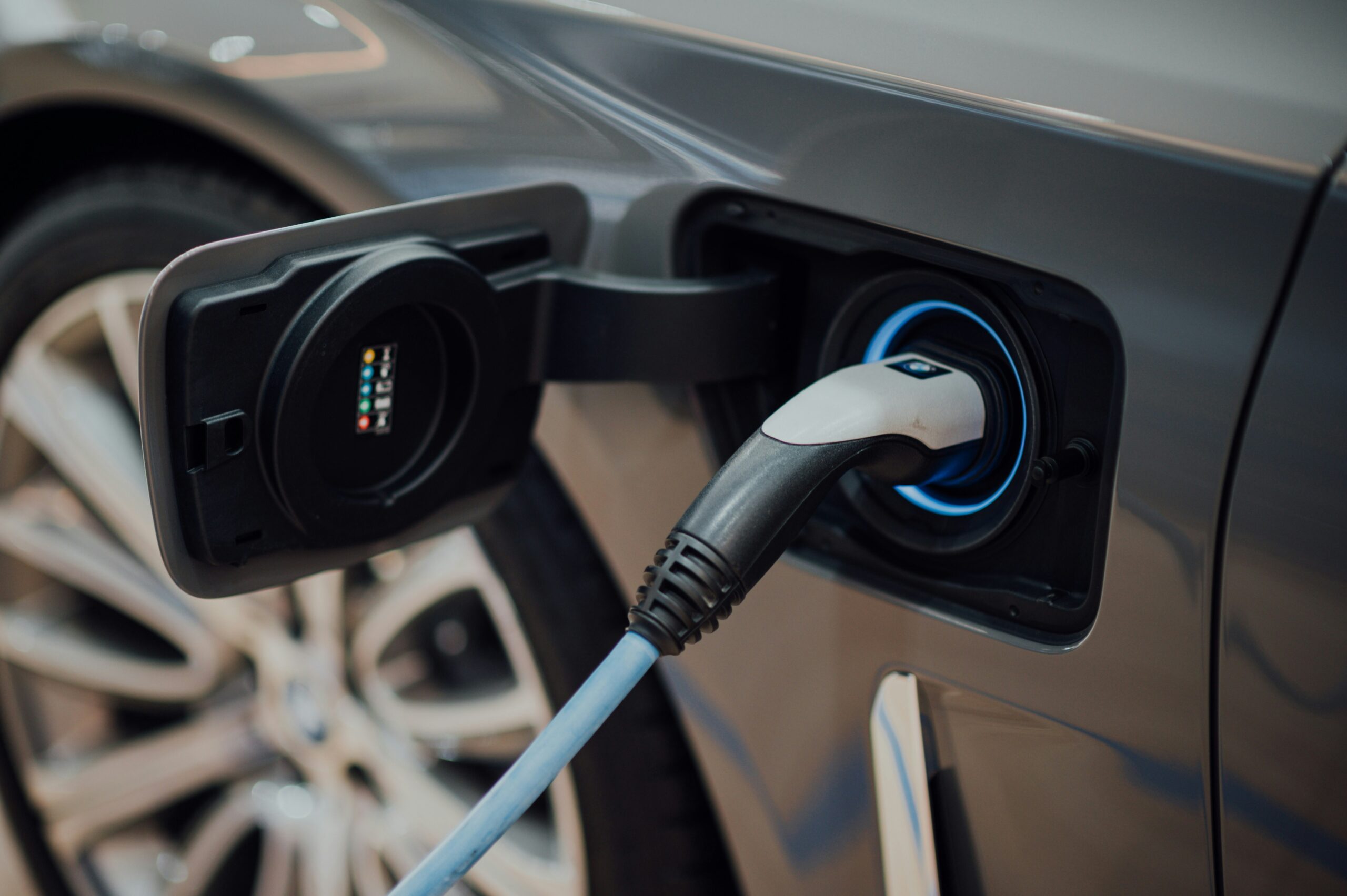
The third important trend noted in the report is the resumption of electricity demand growth in the so-called advanced economies. “In 2025, advanced economies accounted for almost 20% of global electricity demand growth, up from 17% in 2024. We expect this share to remain near the 20% level on average over the forecast period, driven by expanding industrial activity and the continued growth of data centers, electric vehicles and other end‑uses of electricity,” the report notes. Specifically, electricity consumption in the US is expected to increase by an average of nearly 2% annually over the next five years. Roughly half of this amount will be driven by new data centers. IEA experts anticipate similar growth rates in the European Union. However, this is largely a recovery rather than growth: “Consumption is not expected to return to 2021 levels before 2028,” the report states. In Australia, Canada, Japan, and Korea, accelerated electricity demand growth compared to previous decades is also expected through 2030.
Nevertheless, developing countries remain the primary driver of demand. China, for instance, is expected to increase electricity consumption between 2026 and 2030 by an amount comparable to the current demand of the European Union. The average annual growth in electricity demand in China is 4.9%. “This is close to its 2025 pace of 5% but slower than its 6.5% average over the past decade,” the report says. Growth is also expected in India and Southeast Asian countries, driven by economic development and intensive use of air conditioning.
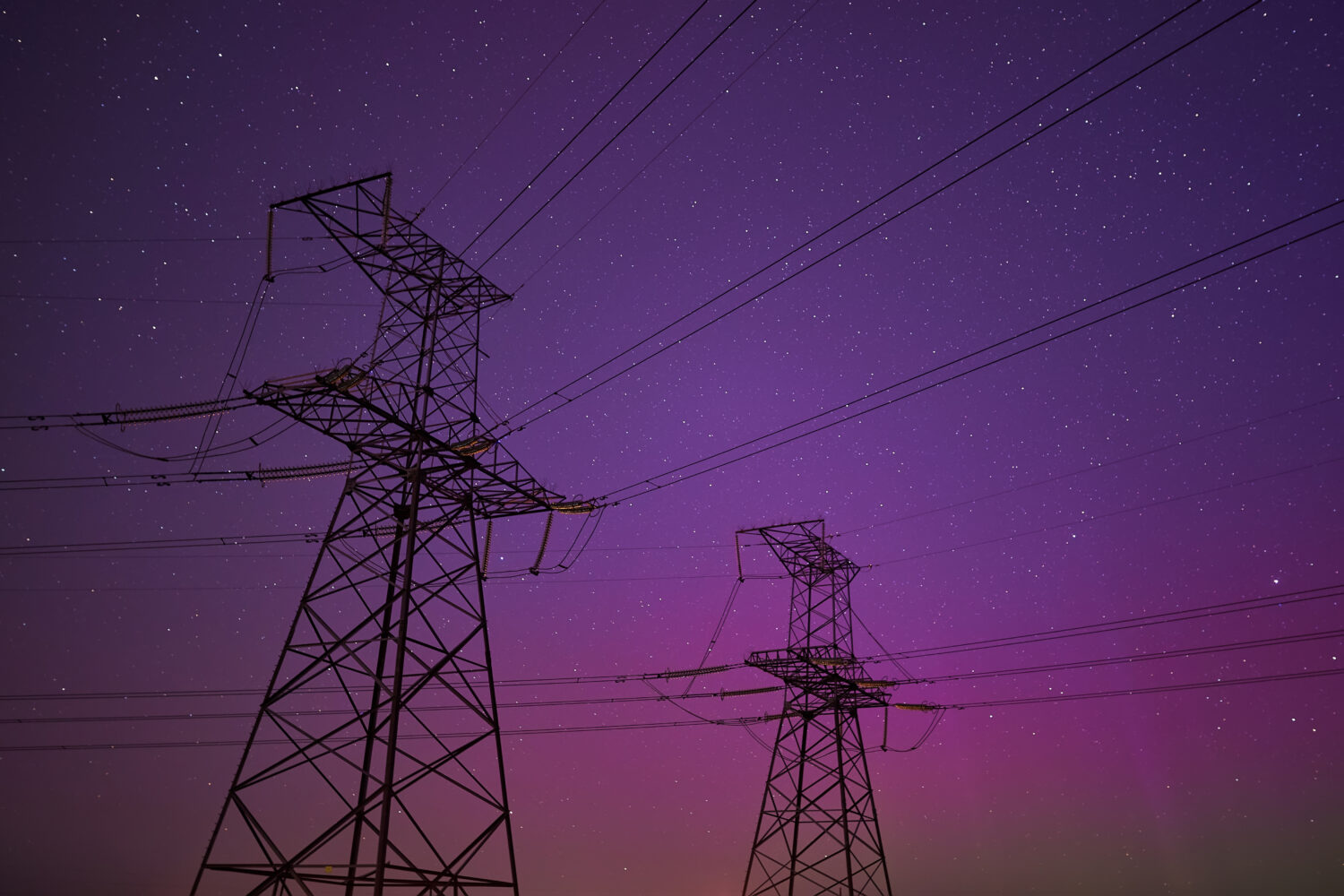
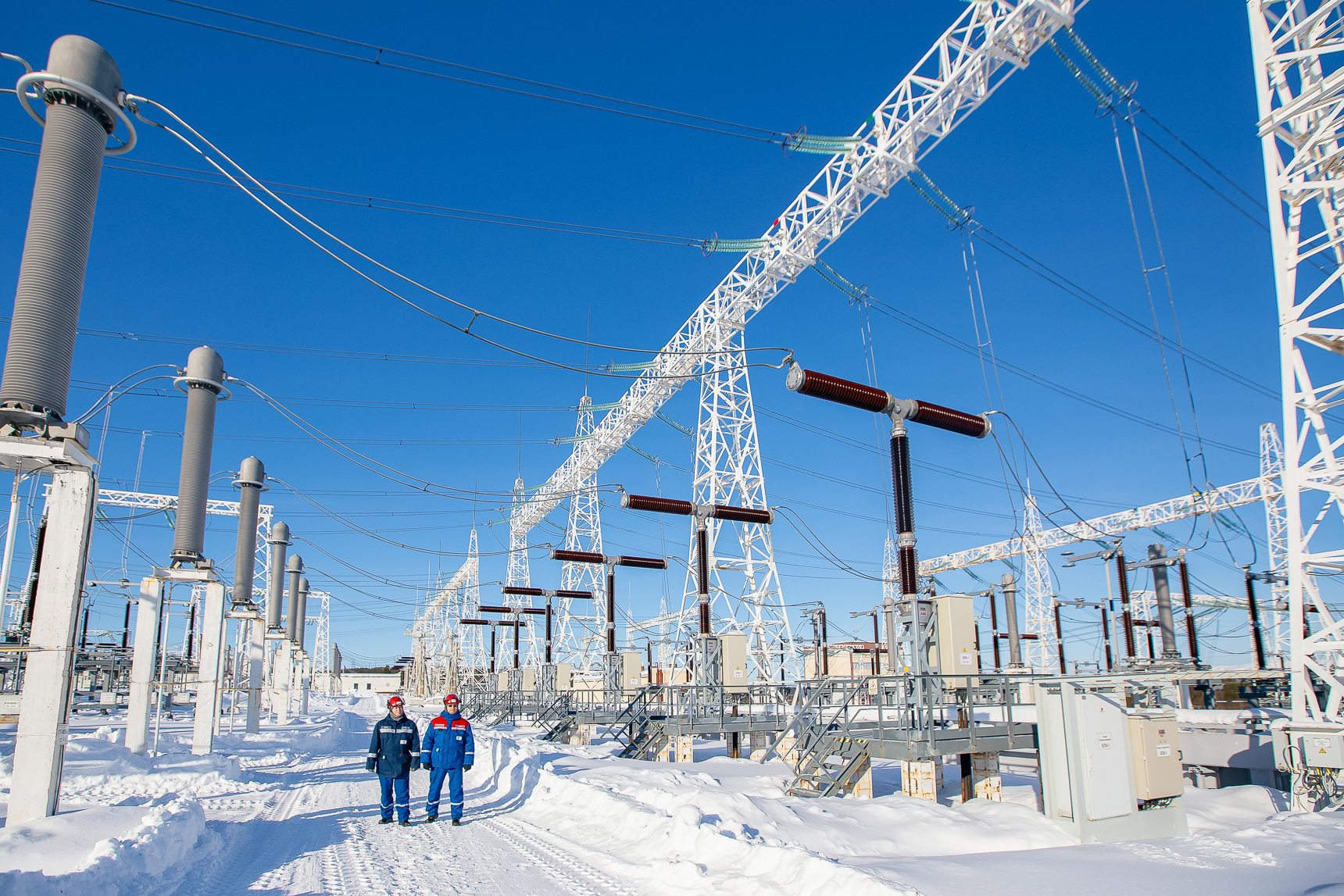
The fourth important trend is the understanding that power grids urgently need to be developed. Today, investment in this sector is lower than in power generation, and the underdevelopment of grid infrastructure is a problem. To cope with growing electricity demand, investment in power grids must increase by approximately 50% annually from the current USD 400 billion. A significant expansion of supply chains related to power grids will also be required. Deploying technologies that enhance grid efficiency will increase the availability of 450 to 700 GW of generating capacity. Specifically, the report mentions dynamic line rating, advanced power flow control, and reconductoring to increase grid capacity and voltage levels. “As grids and flexibility rise up the policy agenda, making more efficient use of existing systems can help relieve congestion and accelerate integration while grid expansion efforts continue,” the report notes.
Between 2026 and 2030, the IEA forecasts global electricity demand to grow at an average annual rate of 3.6%.
Another way to improve power system parameters is the deployment of high-capacity battery storage facilities. The need for such facilities is particularly high in regions with a large share of renewable generation, such as Germany, California, South Australia, Texas, and the UK. The capacity of deployed batteries in these regions has grown significantly in recent years.
Nuclear on the rise
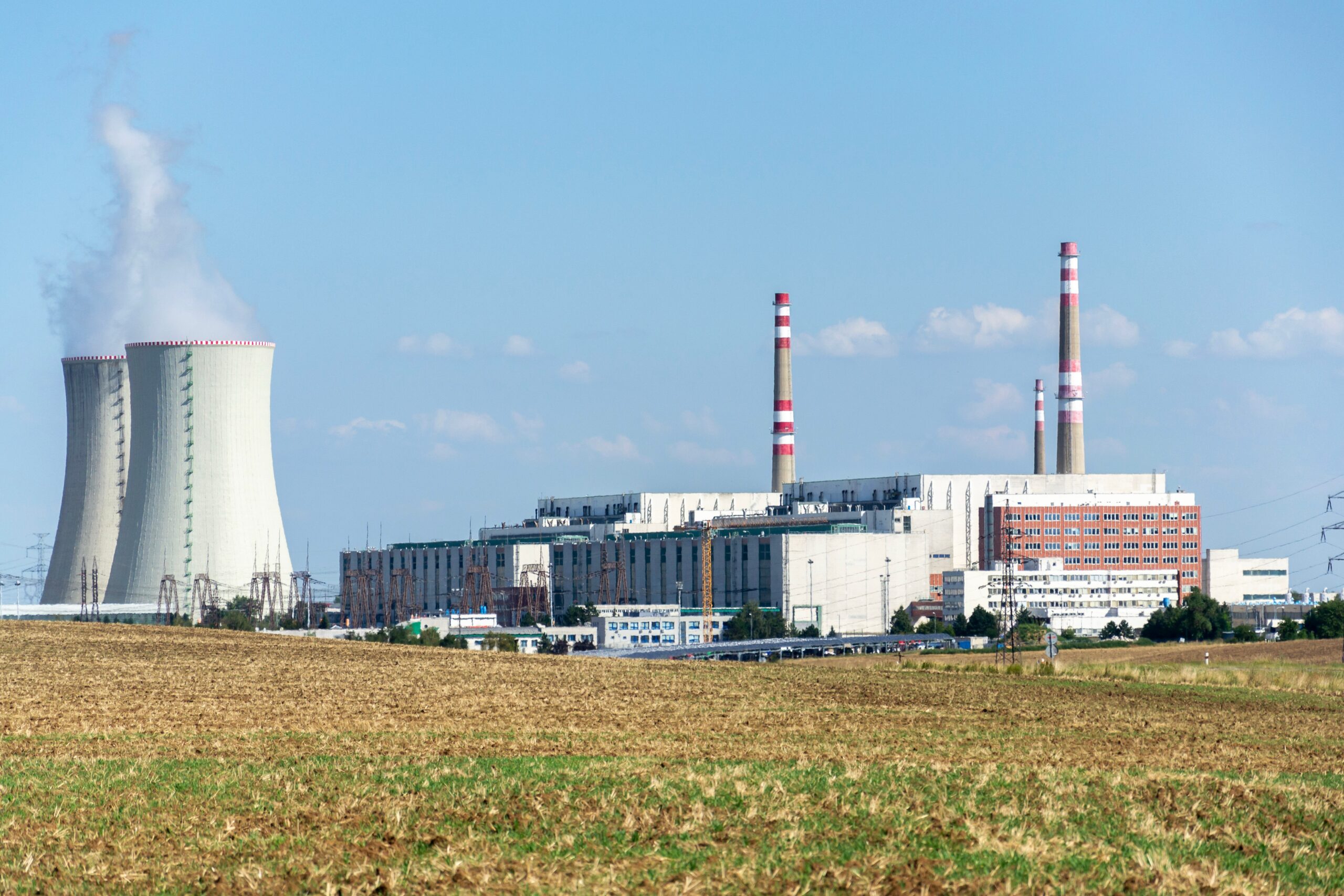
“Half of the world’s electricity is forecast to come from renewables and nuclear by 2030,” the report states. Generation at nuclear power plants will continue to grow. In 2025, output at French nuclear plants increased, and reactors in Japan were restarted. New reactors were also commissioned, including Kursk II Unit 1 in Russia, which was connected to the grid on December 31, 2025. “Nuclear energy is also regaining strategic importance in many advanced economies, underpinned by supportive policy frameworks to extend the lifetime of reactors and add new capacity,” the report says.
Half of the world’s electricity is forecast to come from renewables and nuclear by 2030.
Rosatom contributes to the development of nuclear energy worldwide. The Russian nuclear corporation’s overseas project pipeline includes 41 projects in 11 countries. Rosatom is also working on construction projects at home: currently, 20 large and small-scale power units are under development within Russia.
According to IEA experts, electricity generation from renewable energy sources (RES) will grow by an average of 8% per year over the next five years. Solar power plants will account for the largest share of annual growth (over 600 TWh).
The changes in coal-fired generation vary by country. In India and China, coal generation declined due to slower demand growth and the rapid expansion of renewables. Conversely, in the US, coal consumption rose in 2025 due to rising natural gas prices and slower-than-planned retirement of coal power plants. As a result, the power sector increased its coal consumption. In the European Union, record solar output was accompanied by a reduction in hydro and wind generation, so coal consumption decreased only slightly.
IEA experts believe that output at coal-fired power plants in China will decrease over the next five years. Europe and both Americas will also show a decline in coal generation. In contrast, this indicator will rise in India and Southeast Asia.
Electricity generation at gas-fired power plants is expected to grow globally by an average of 2.6% per year through 2030. For comparison, the average annual growth rate over the previous five years was about 1.4%. IEA analysts link the growth in gas generation demand to the general rise in electricity demand in the US and the transition from oil to gas in the Middle East.
“Over the 2026-2030 period, renewables, natural gas and nuclear together are expected to meet all additional global electricity demand in aggregate,” the authors of the report conclude.
In Russia
The report authors cited difficulties in obtaining data on Russia for 2025. We fill this gap and present the data here. According to the Russian statistics agency, Rosstat, electricity generation in Russia amounted to 1,194 billion kWh in 2025. This is 1.5% lower than a year earlier. Imports amounted to 2.3 billion kWh, and exports to 7.44 billion kWh. Electricity generation by nuclear power plants in 2025 stood at 219 billion kWh, which is 1.3% higher than in 2024.
In January 2026, Russia’s power system returned to growth, according to Rosstat. Electricity generation in January amounted to 119 billion kWh, which is 4.4% more than a year earlier and 2.9% more than in December 2025. Electricity generation by nuclear power plants for the same period was 20.6 billion kWh, which is 9.4% more than a year earlier and 4% more than in December 2025.
Rosatom’s overseas project pipeline includes 41 projects in 11 countries.
In January 2026, Russian Energy Minister Sergey Tsivilev held a meeting where one of the central topics was the implementation of development programs for the electric power industry in the country, taking into account projected demand growth and the need for accelerated development of energy infrastructure. “In the near future, we will adjust all our programs and strategies and make the necessary changes,” said Sergey Tsivilev, referring, among other things, to issues of power supply for data centers.
Thus, Russia is in line with major global energy trends in the electric power industry, which comprise growing consumption, including due to the increasing number of data centers, and the growth of nuclear generation.
This site uses cookies. By continuing your navigation, you accept the use of cookies. For more information, or to manage or to change the cookies parameters on your computer, read our Cookies Policy. Learn more