


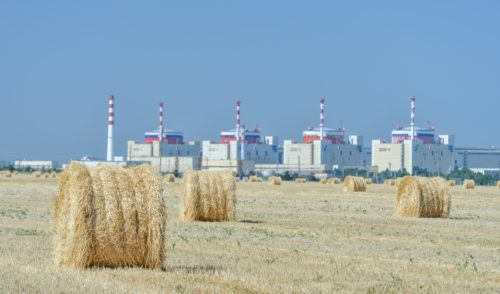
Fuel. The Rostov NPP proceeded with the last iteration of piloting accident tolerant fuel (ATF), also known as ‘advanced technology fuel’. Fuel assemblies with experimental fuel rods will pass through three 18-month fuel campaigns, which is a standard nuclear fuel operation cycle for Russian VVER-1000 reactors. After a year and a half, the fuel will be unloaded from the reactor core, and the innovative fuel rods will undergo a series of post-irradiation studies. As the final qualification step for the Russian-designed ATF, one of the Russian reactors will be loaded with several fuel assemblies containing 312, not 12, innovative fuel rods. This fuel is called ‘accident tolerant’ because it can survive emergencies at nuclear power plants. Even if a loss-of-coolant accident occurs and reactor heat removal systems fail to operate properly, this fuel will retain its integrity for a long time, without initiating a vapor zirconium reaction that contributes to hydrogen release.
News