Rosatom is strengthening its partnership with African nations in peaceful uses of nuclear energy. At the Saint Petersburg International Economic Forum (SPIEF), the Russian nuclear corporation and Burkina Faso signed a cooperation agreement covering nuclear infrastructure development, medicine, and personnel training. A similar agreement was later concluded with Mali, highlighting the growing interest among African countries in Russian nuclear technologies. Meanwhile, Rwanda hosted the national stage of the Global HackAtom competition, where students presented their innovative solutions for the nuclear industry.
Russia and Burkina Faso concluded a civil nuclear cooperation agreement at SPIEF. The document was signed by Rosatom Director General Alexey Likhachev on behalf of Russia and Minister of Energy, Mines and Quarries Yacouba Zabré Gouba on behalf of Burkina Faso.
The key areas covered by the agreement include assisting Burkina Faso in developing and improving its nuclear infrastructure in line with international standards, regulating nuclear and radiation safety, and producing radioisotopes for the needs of industry, medicine and agriculture. Additionally, the document provides for joint projects in irradiation technology and nuclear medicine, as well as training and professional development of qualified workforce for Burkina Faso’s nuclear industry.
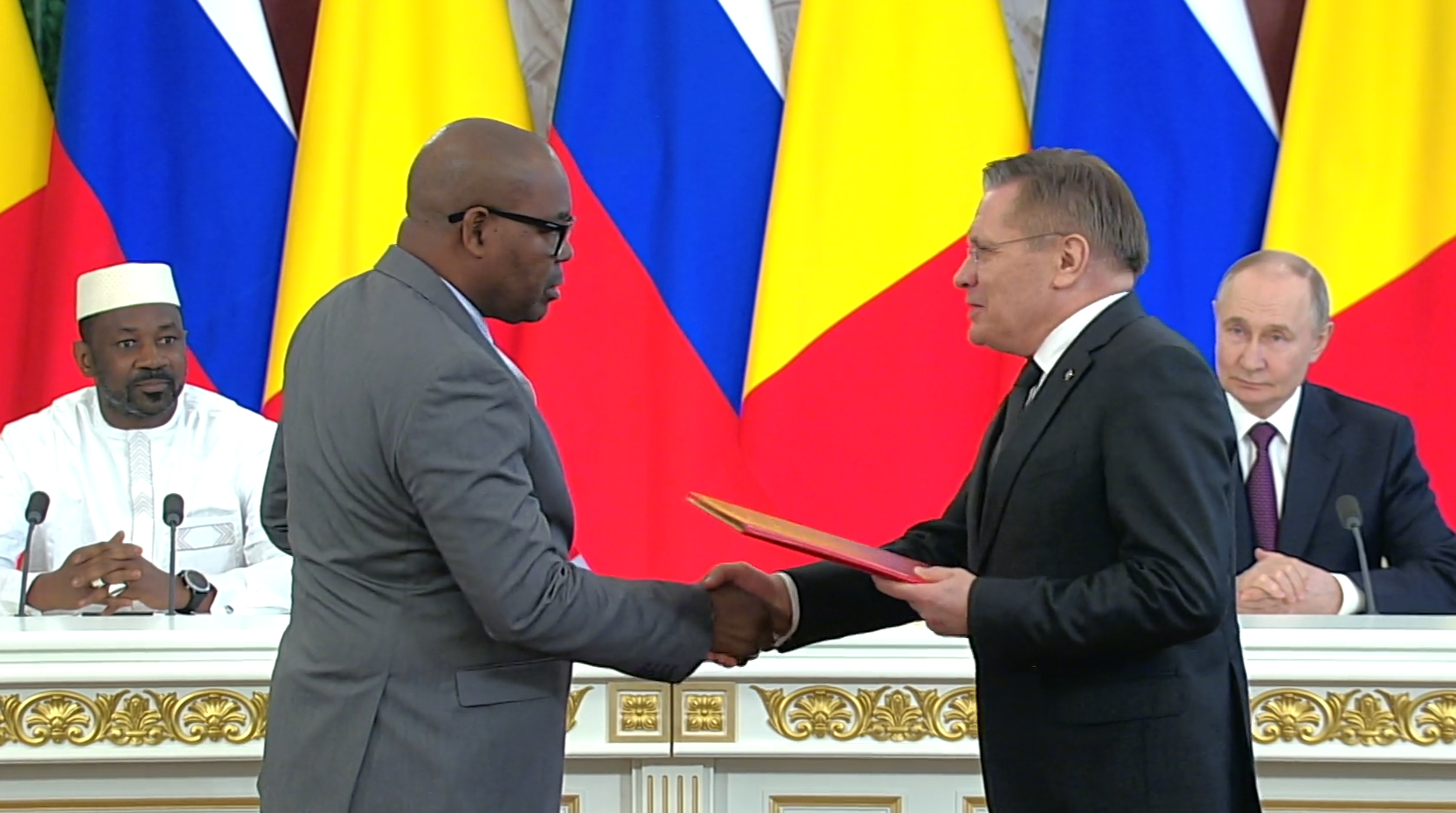
“The signing of this agreement marks an important step in strengthening the partnership between Russia and Burkina Faso. We are ready to provide advanced solutions and expert support for joint projects aimed at promoting sustainable development and enhancing regional energy security,” Alexey Likhachev said.
Nuclear technologies for sustainable development in Mali
The governments of Russia and the Republic of Mali signed an agreement on cooperation in peaceful uses of nuclear energy during a meeting in Moscow. The document was signed by Rosatom Director General Alexey Likhachev and Malian Minister of Energy and Water Resources Boubacar Diane.
The agreement establishes a legal framework for collaboration between Russia and Mali across a broad range of areas related to civil nuclear technology, including: assistance to Mali in establishing and developing its national nuclear infrastructure in accordance with international guidelines; nuclear and radiation safety regulation, production of radioisotopes and their application in industry, medicine, and agriculture; cooperation in the application of irradiation solutions and nuclear medicine; education, training, and upskilling of nuclear industry professionals.
“We are pleased to share our expertise and technology to support the sustainable development of energy and science. Joint efforts in civil nuclear technology open up broad opportunities for both of our countries and help strengthen friendship and mutual trust,” Alexey Likhachev commented.
Global HackAtom in Rwanda
With support from Rosatom, Rwanda hosted the national round of the Global HackAtom student championship, a 24-hour international competition aimed at solving real-world nuclear industry challenges. The event promotes engineering disciplines among youth, showcases Russian nuclear education opportunities, and introduces contestants to Russian nuclear technologies.
Eight teams from three different institutes of the University of Rwanda participated in the competition. Over two days, 40 participants worked on solving a case study focused on developing an interactive application to address economic issues related to non-energy applications of nuclear technology.

The first day featured scientific and educational lectures by experts from the National Nuclear Research University (one of Rosatom’s backbone universities), along with meetings involving faculty members. On the second day, teams presented their projects before a panel of expert judges.
Following the project presentations, three teams received awards from Rosatom, and all participants received certificates.
The winning team, Atomic Frontiers, earned a unique opportunity to compete in the Global HackAtom finals, which will take place in Russia from September 24–29, 2025 as part of the World Atomic Week international forum, a major event dedicated to the 80th anniversary of the Russian nuclear industry. The team will compete against winners from other national stages to be held this year in nine of Rosatom partner countries.
Photo by: RMS, Newspaper “Strana Rosatom”, NRU MEPhI