In mid-July, the second unit of the Armenian Nuclear Power Plant was reconnected to the country’s power grid following the completion of a planned preventive maintenance (PPM) program carried out with input from Rosatom. The program included activities critical for another extension of the plant’s operational lifespan.
Rosatom was contracted to conduct preliminary inspections, supply spare parts, and upgrade some of the equipment and safety systems. The PPM program included a large amount of preparatory work to further extend the service life of the plant’s second power unit. This comprised inspections of its buildings and structures, electrical equipment, and the refueling machine, which serves to replace spent nuclear fuel with new fuel assemblies. Engineers conducted pre-design surveys and collected baseline data to support future design work. In addition, a new cooling system for the safety equipment rooms was put into operation, spare parts were delivered to the site, and services were provided to ensure the due completion of maintenance activities.
“Rosatom is continuing preparations for another life extension of Armenia’s only nuclear power plant, focusing primarily on improving safety of its key systems. For now, we have successfully completed all the planned maintenance activities, putting the plant on track for another decade of reliable operation,” said Evgeny Salkov, CEO of Rosatom Service (part of Rosatom).
History of the Armenian NPP
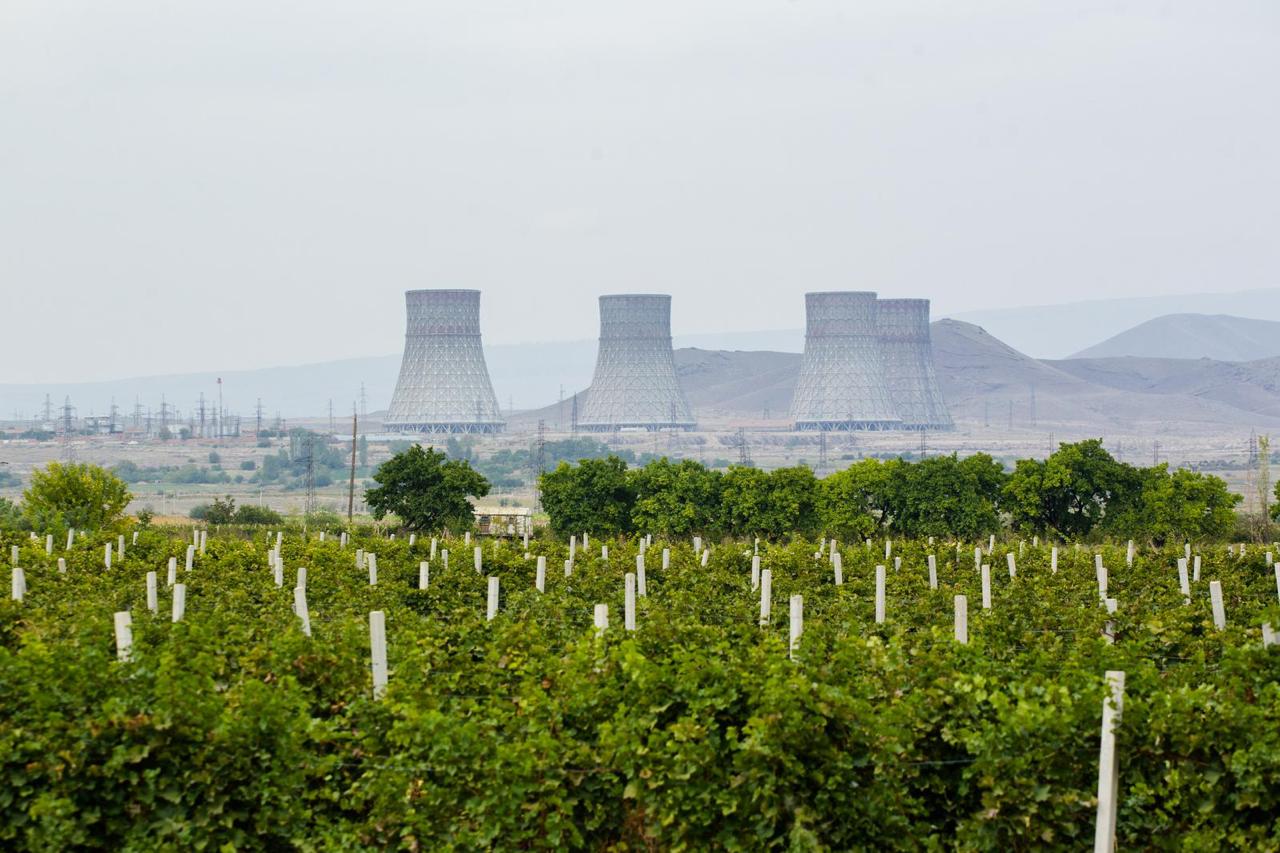
The Armenian NPP is located near the town of Metsamor and has two power units featuring earthquake-resistant VVER-440 reactors. Unit 1 was put into commercial operation in December 1976, followed by Unit 2 in January 1980.
In December 1988, the devastating Spitak earthquake—measuring 6 to 7 on the Richter scale—struck the region. Its epicenter was about 80 kilometers away from the Armenian NPP, in the city of Spitak. When the earthquake hit, the reactors were operating at nominal power. The seismic protection system would have shut them down automatically if the earthquake magnitude on the site had exceeded 6. The buildings, structures and equipment of the nuclear power plant remained intact as all of them were designed to withstand even a magnitude 9.5 earthquake. Hydraulic shock absorbers damped shock impulses and inertia, and maintained integrity of the buildings and equipment installed in them.
A special commission examined the nuclear station after the earthquake and found no faults in the structures, equipment or systems. The commission concluded that the plant had experienced seismic forces equivalent to 5.5—precisely what was recorded at the site. Nevertheless, the Council of Ministers of Armenia decided to shut down the two reactors, which was done in early 1989.
In 1993, it was decided to restart the plant. However, restarting Unit 1 proved impossible for safety reasons: metal samples had been cut from the steam generator casings for research purposes, compromising their integrity.
The second unit was restarted in 1995 with technical support from Russian engineers after six years offline.
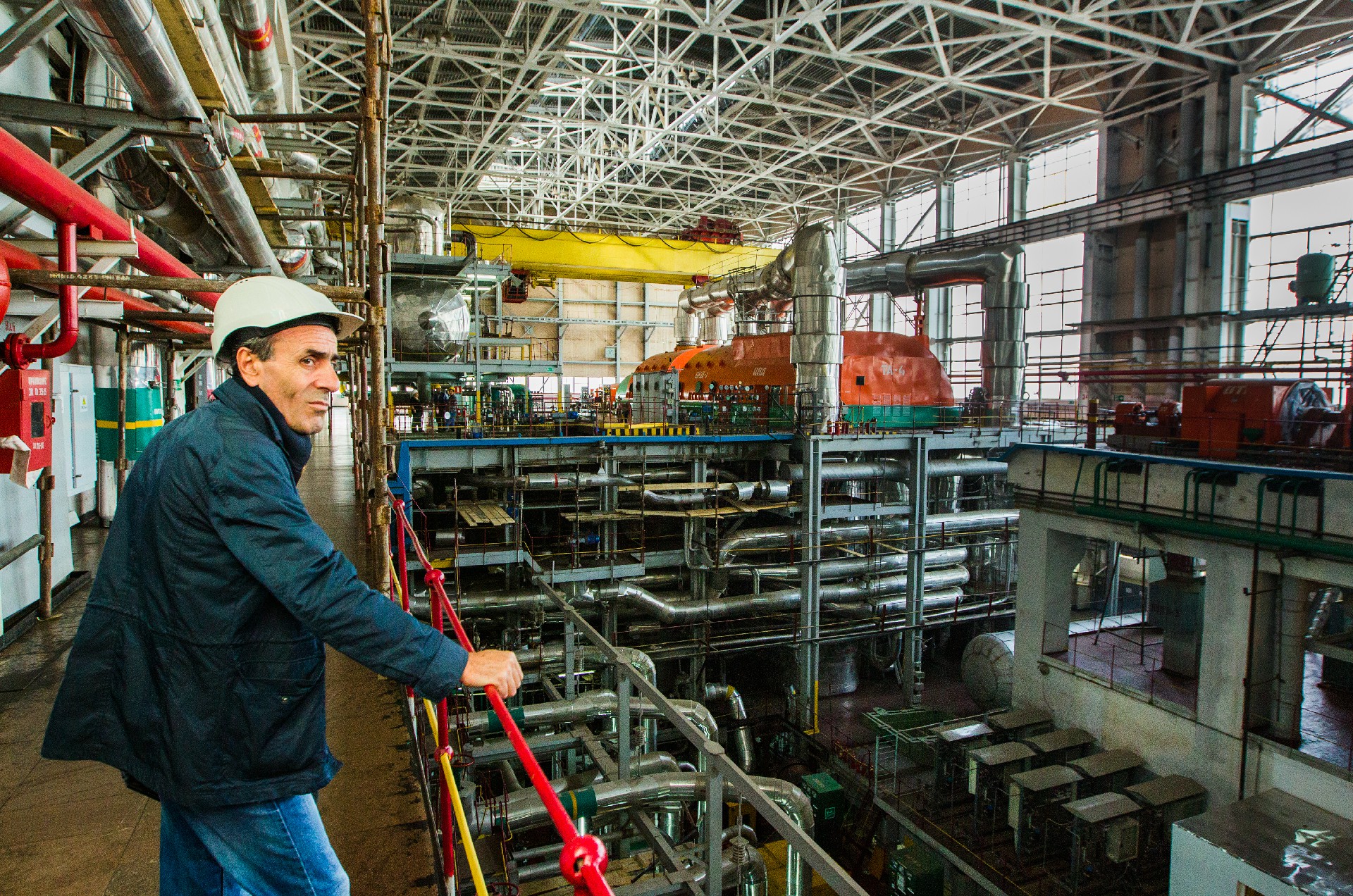
In 2014, a decision was made to carry out a major upgrade of Unit 2 to extend its service life. Led by Rosatom, the work began in 2015.
During the upgrade, the longest planned preventive maintenance lasted 156 days. One of the most critical steps was the reactor vessel annealing. It is a one-of-a-kind procedure that restores the physical and mechanical properties of metal altered by prolonged exposure to radiation. Thanks to the annealing, the RPV metal was restored to 80–85% of its original condition, significantly extending the reactor’s service life.
The upgrade program was completed in 2021, and the operating license of Unit 2 was extended to 2026. In December 2023, Rosatom Service and Aykakan Atomayin Elektrakan (the Armenian NPP operator) signed an agreement to further extend the life of Unit 2 by another ten years until 2036.
Today, the Armenian NPP generates approximately 30% of the country’s electricity.
Photo by: Rosatom, “Strana Rosatom” Newspaper