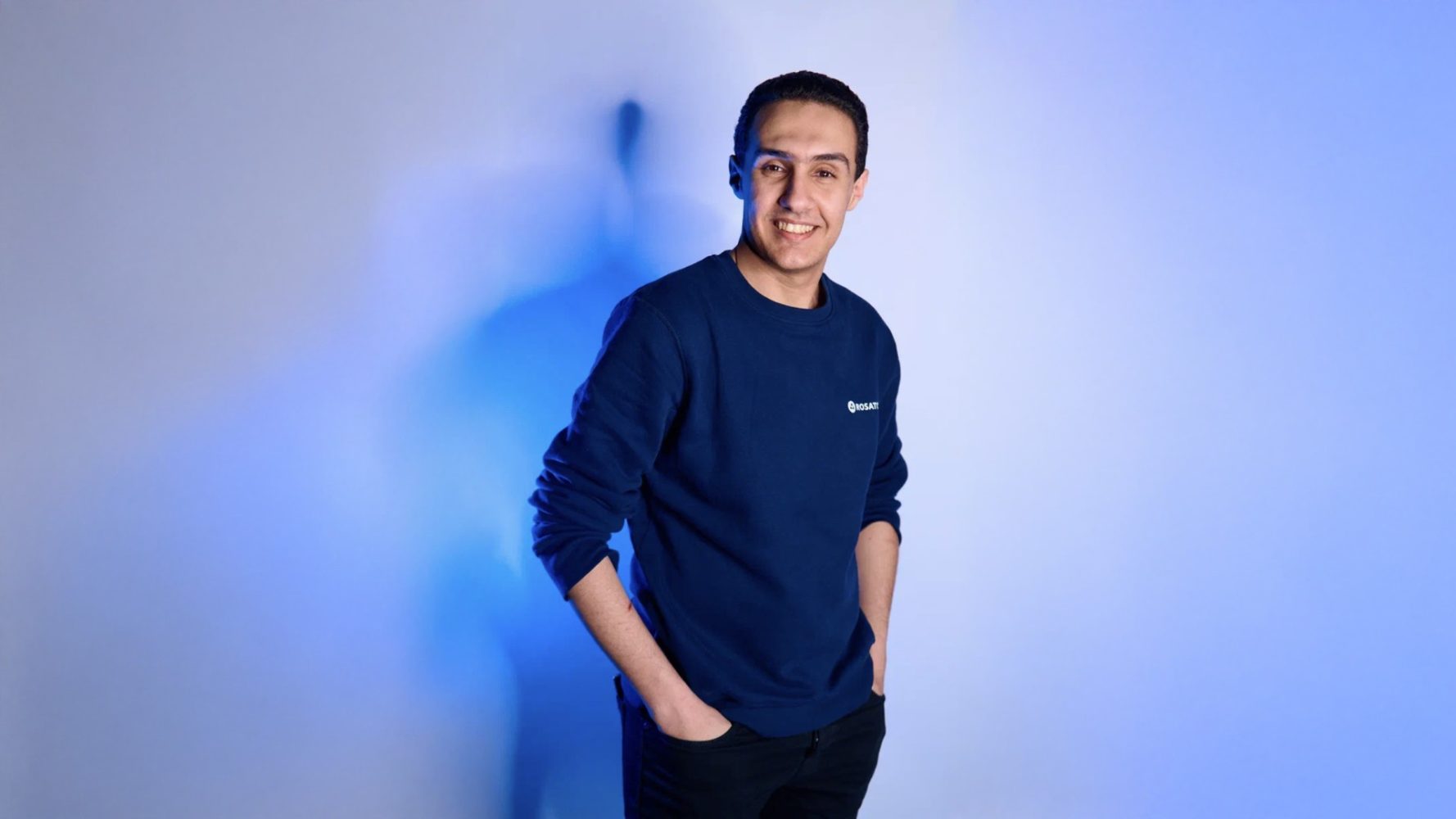
Khaled Ramadan from Egypt is a postgraduate student at the Tomsk Polytechnic University and a participant of the Russian Nuclear Education Ambassadors Program. In this interview, he shares why he chose to study in Russia, how he overcame the language barrier, and what professionals Egypt’s emerging nuclear industry needs.
Could you please tell us briefly about yourself?
My name is Khaled Ramadan. I am Egyptian born in Saudi Arabia. I spent my early years there and later moved to Egypt. I received higher education in Russia, where I earned first a specialist degree in Design, Operation and Engineering of Nuclear Power Plants, and then a Master’s degree with honors from the Tomsk Polytechnic University. I am now pursuing a PhD in the same discipline at TPU.
Why did you choose this profession?
I believe nuclear is the future of global energy. Nuclear stations produce clean and reliable energy that humanity needs so much. Besides, the nuclear sector is not limited to power generation alone and extends into medicine, agriculture, engineering, and many other areas. I am proud to be building my career in this field.
What do you like most about your future profession?
I enjoy the interdisciplinary nature of nuclear engineering—it requires knowledge in thermodynamics, materials science, safety protocols, and digital tools. I am particularly interested in solving engineering problems and designing systems. Success in this field demands precision, responsibility, technical proficiency, and the ability to constantly adapt to evolving technologies and regulations.
In your opinion, what are the advantages of Russian education?
Russian nuclear education is highly valued worldwide for its technical depth and practical orientation. Russia is a global leader in this field, and its higher education institutions such as TPU offer world-class education and access to the latest technologies.
Initially, my decision to study in Russia came through a joint program between the Egyptian-Russian University and TPU, under which I received a specialist degree. Even though no one in my family works in the nuclear sector, they were very supportive and proud of my decision once I explained my passion and goals. After arriving in Russia and experiencing the education system, practical training, and academic environment firsthand, I made a decision to continue with a master’s degree and then a PhD. I am grateful to both universities for putting me on this path.
Was it difficult to win admission to the Russian university?
Yes, the admission process requires a strong academic background, but once you have the adequate level of knowledge, the goal is achievable.
How is your training going?
I am currently a PhD student in Electrical Engineering and Technology at TPU. I have completed three practical training courses:
● At the TPU nuclear research reactor
● At the Rosatom Training Center in Volgodonsk, where I studied equipment diagnostics and system modes, and was trained on a full-scale simulator
● At the Obninsk Institute for Nuclear Power Engineering, where I studied ionizing radiation, effective doses, aerosols, and air filtration.
Although some subjects such as reactor physics and neutron transport are more challenging, I enjoy thermal hydraulics, computer simulation (ANSYS and MATLAB), and system engineering.
How is your life in Russia? Was it difficult to master Russian?
Learning Russian was one of the most difficult aspects of my life in Russia. The language of instruction was mostly English but you still need Russian for everyday communications. Russian is a beautiful but grammatically complex language.
I was surprised by how hospitable Russians are, and they are always ready to give a helping hand. The Victory Day celebration on May 9 is a tradition that has impressed me much. It is one of Russia’s most significant national holidays, honoring the bravery and sacrifice of those who fought.
Where do you plan to work after graduation?
First, I would like to continue my research and academic track, eventually becoming a professor. I enjoy sharing knowledge, guiding students, and contributing to the scientific advancement of the nuclear industry.
Second, I would like to apply my technical and practical skills in a real-world setting, ideally with Rosatom or in international cooperation projects. Long-term, I hope to contribute to the growth of nuclear infrastructure in the Middle East, where countries are beginning their journey of developing nuclear power.
What do you see as the prospects for nuclear industry development in your country?
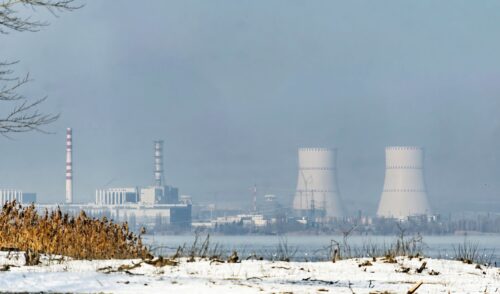
Rosatom is building the first nuclear power plant in Egypt at El Dabaa. I believe that Egypt has strong prospects for the nuclear industry development. Nuclear energy can provide long-term, low-carbon power supply, support industrial growth, and enhance the country’s energy independence.
For now, Egypt lacks experienced professionals in such areas as reactor operation, safety engineering, and thermal hydraulics. There is also a need for trained specialists in digital diagnostics and plant commissioning, which is especially vital in the run-up to the commissioning of Egypt’s first nuclear power plant.
What advice can you give to young people who want to follow your path?
Believe in your mission, stay curious, and be persistent. The nuclear field is demanding, but it rewards commitment, resilience, and a genuine desire to grow. Do not be afraid of starting from scratch, whether it is about learning a new language, adapting to a new culture, or diving into complex scientific topics. These challenges will shape you as both a professional and a globally minded individual.
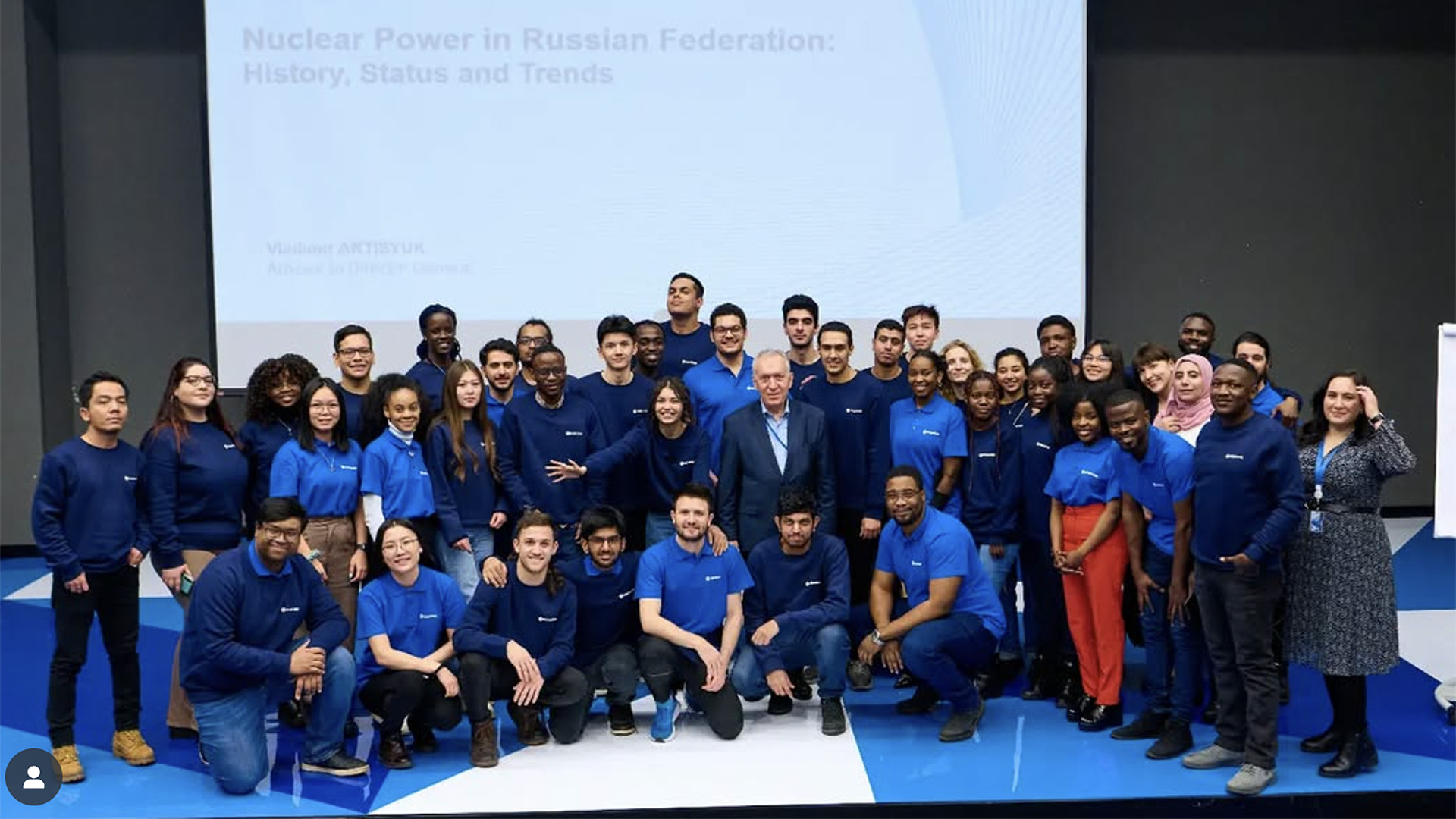
Be active in international projects, such as the Russian Nuclear Education Ambassadors (RNEA) Program, part of which I am proud to be. This initiative contributes to promoting nuclear awareness and education across borders, connecting students with global nuclear experts, and encouraging cultural and scientific exchange. Programs like RNEA help develop leadership, public speaking, and cross-cultural communication skills—qualities essential for becoming a sought-after professional in today’s nuclear energy industry.
Photo by: From the personal archive, ASE