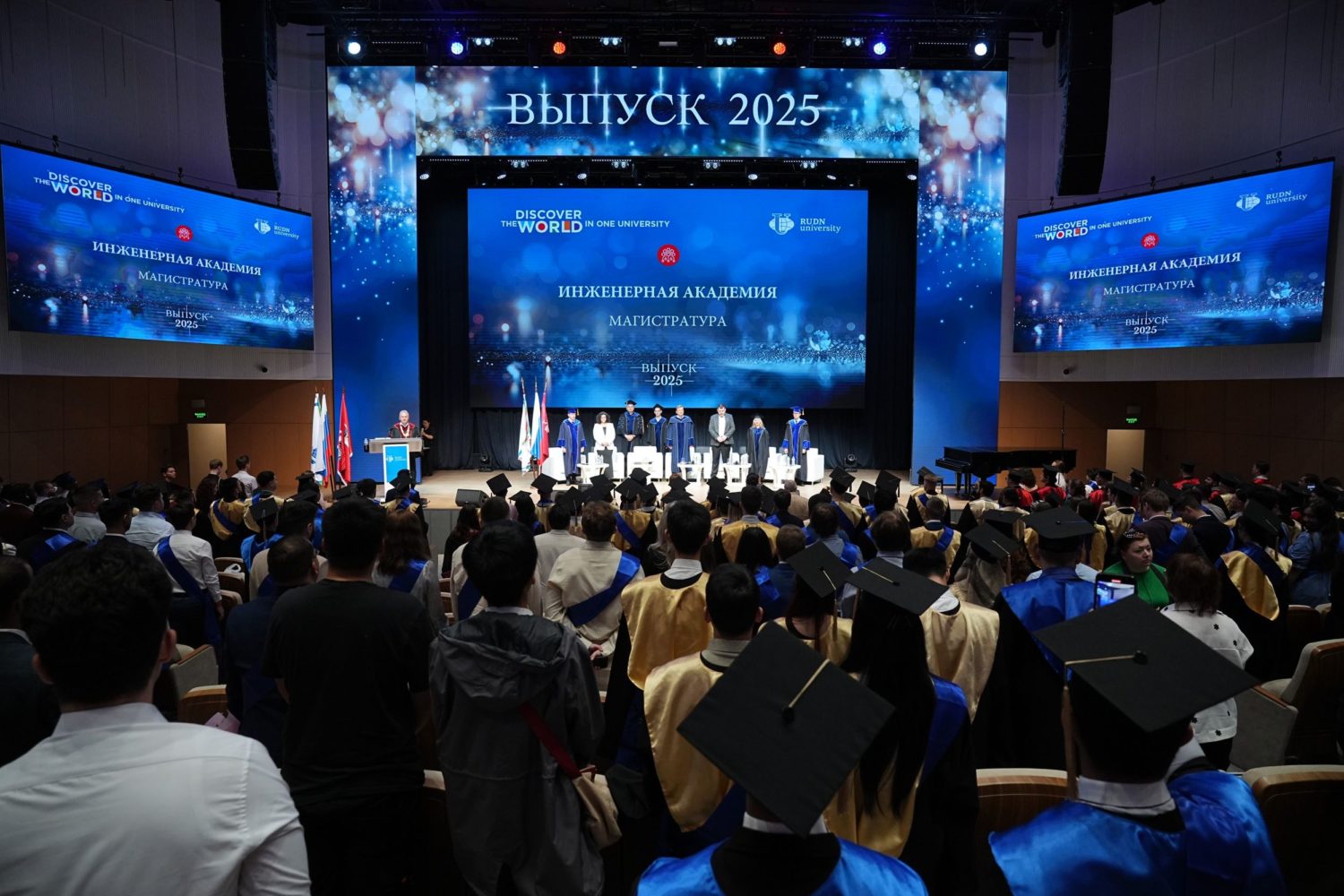
Russian educational programs are becoming a key driver in the development of Africa’s strategic industries. With support from Rosatom, Rwanda is training nuclear professionals, while Tanzania and Namibia are developing skilled geologists. The first graduates, who studied at RUDN and MISIS with hands-on training at uranium production sites, are now ready to deploy Russian technologies across the African continent.
Rwanda could commission its first small modular reactor as early as 2030, Dr. Fidel Ndahayo, Chief Executive Officer of the Rwanda Atomic Energy Board, said during a press conference in Kigali. He emphasized the need to have qualified personnel by that time, noting that Rwanda had started signing agreements with technology providers while simultaneously building up its local expertise. Work is also underway to develop academic curricula at the University of Rwanda and polytechnic universities. Currently, the country has about 50 nuclear professionals, with another 200 studying in Russia as part of the bilateral partnership in atomic energy. Additionally, 40 more students will be sent for training this year.
Human resources for the mining industry
The Peoples’ Friendship University of Russia (RUDN) held a ceremony to award diplomas to the first graduates of the joint master’s program in Mining Geology. The program, taught in English, has trained highly qualified professionals for the mining sector, including six graduates from Tanzania. The program is delivered by RUDN with support from Rosatom. A graduate from Namibia also completed the program. He began his studies at the National University of Science and Technology (MISIS) before joining the Tanzanian group.
In addition to official academic credentials, each graduate received a commemorative diploma from Uranium One Group (a Rosatom company developing uranium mining projects in Tanzania and Namibia). The program’s graduates completed a two-week internship at Dalur (a company within Rosatom’s Mining Division), where they studied uranium extraction by in-situ leaching (ISL). This method is particularly effective for developing deposits across the African continent, especially in porous rock formations typical of the region, such as sandstones.
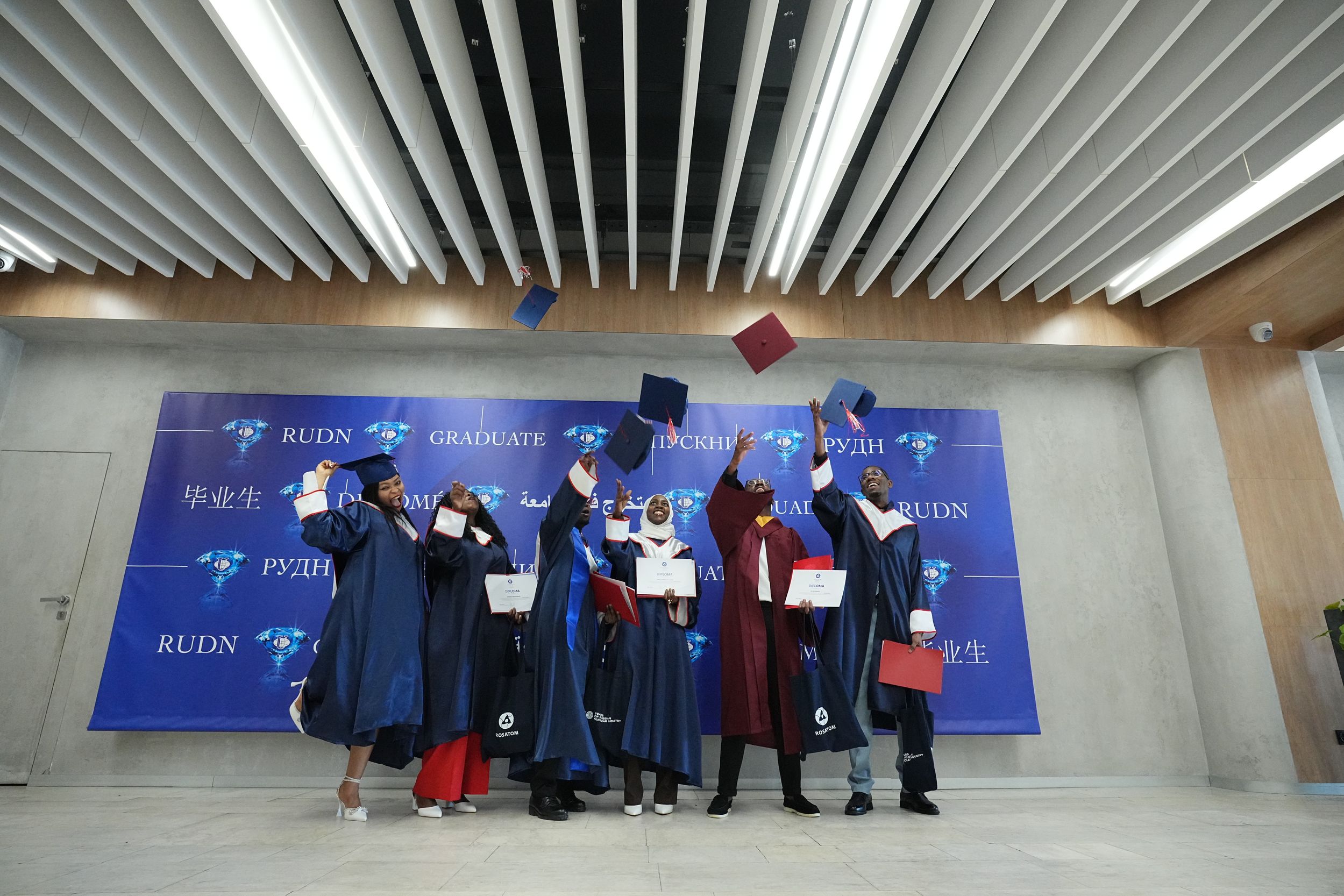
One of the graduates from Tanzania, John Mosses, said studying the ISL method was a crucial experience for him. “I plan to use the knowledge I have gained to support sustainable development of the mining industry in my country,” he said.
“These diplomas confirm your knowledge, perseverance, and ability to solve complex engineering tasks. I am confident your experience and newly acquired competencies will make a significant contribution to the development of the mining sectors in your countries,” said Kirill Egorov-Kirillov, Director of Mining Projects at Uranium One Group, addressing the graduates. He also pointed out that the successful future of Africa’s mining industry depended not only on technical expertise but also on local professionals’ commitment to responsible resource management.
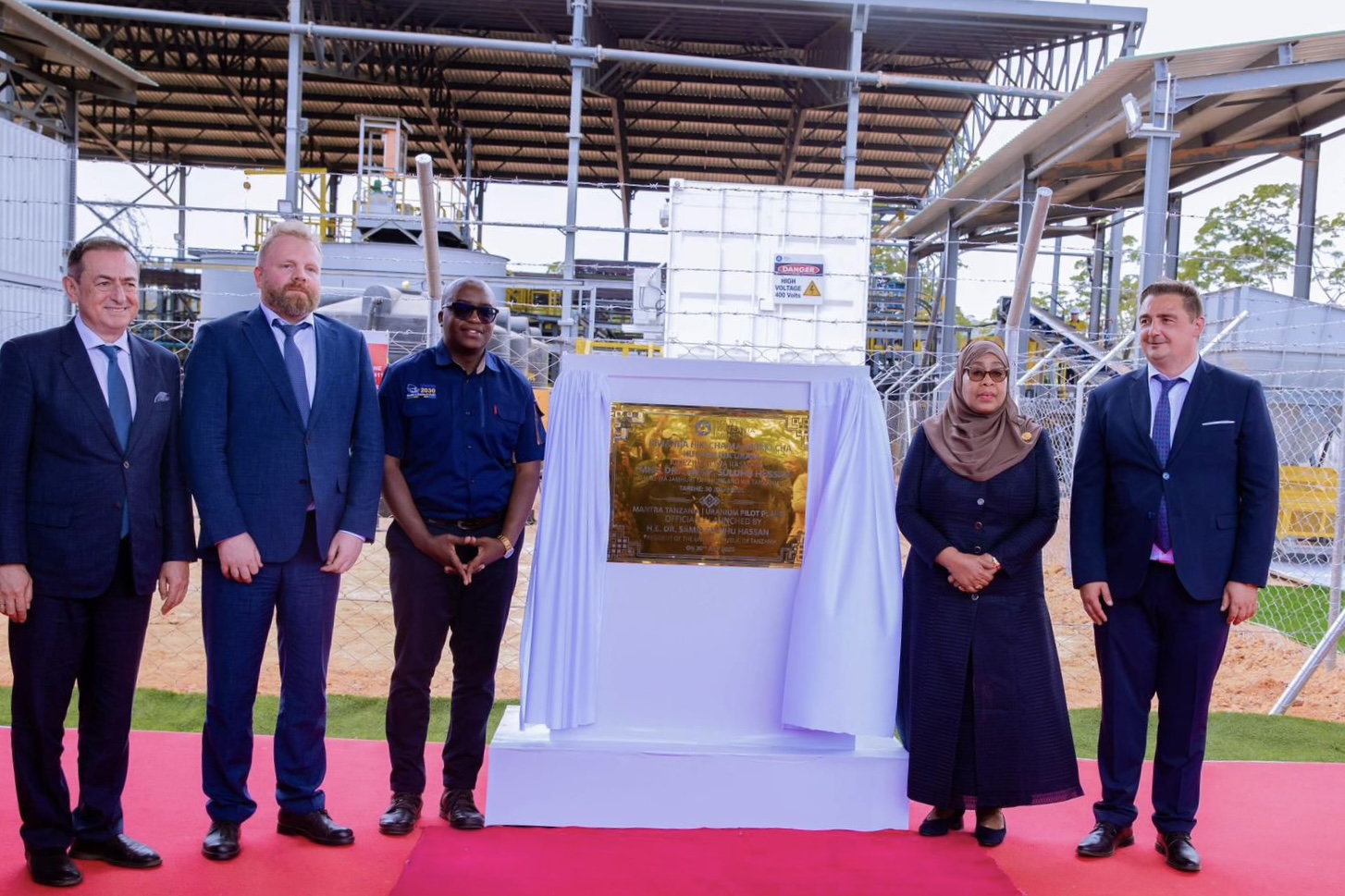
The partnership between Rosatom and RUDN aims to develop local human resources and support sustainable growth in Africa’s mining industry by combining theoretical education with hands-on internships.
Photo by: Rosatom, Mantra Tanzania