Rosatom has received the Brazilian Energy of the Future award for its technological leadership in nuclear energy. Brazilian MPs recognized the Russian nuclear corporation as a global leader in nuclear technologies. Rosatom also undertakes educational initiatives. Recently, a group of Latin American experts have completed training on nuclear project management and stakeholder engagement at the joint schools organized by the Rosatom Technical Academy and the IAEA.
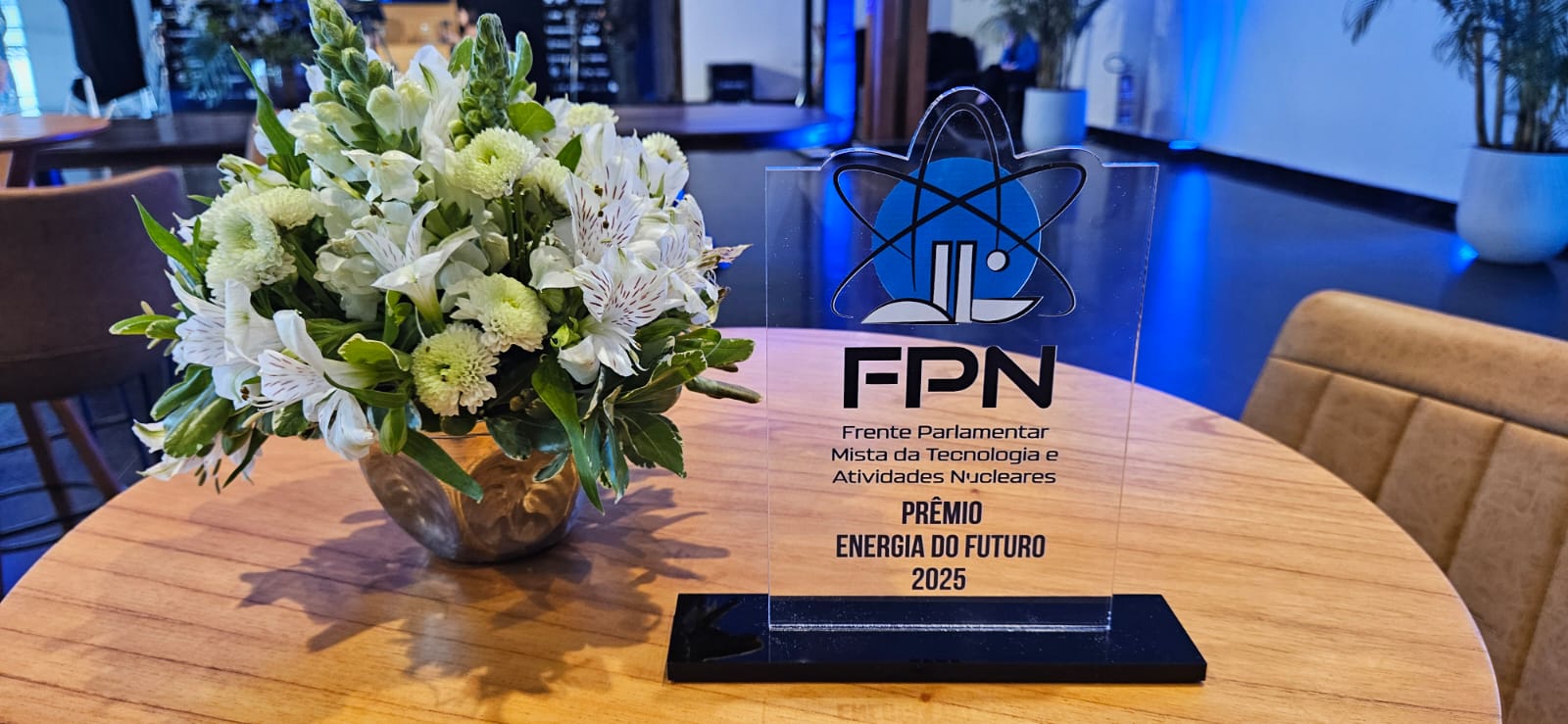
Rosatom was recognized with the Brazilian Energy of the Future award established by the United Parliamentary Front for Nuclear Technology and Activities. The Members of Parliament noted that the award was presented for “Rosatom’s global technological leadership and its contribution to the development of nuclear energy,” also emphasizing the Russian nuclear corporation’s commitment to innovation, safety, and energy transition solutions.
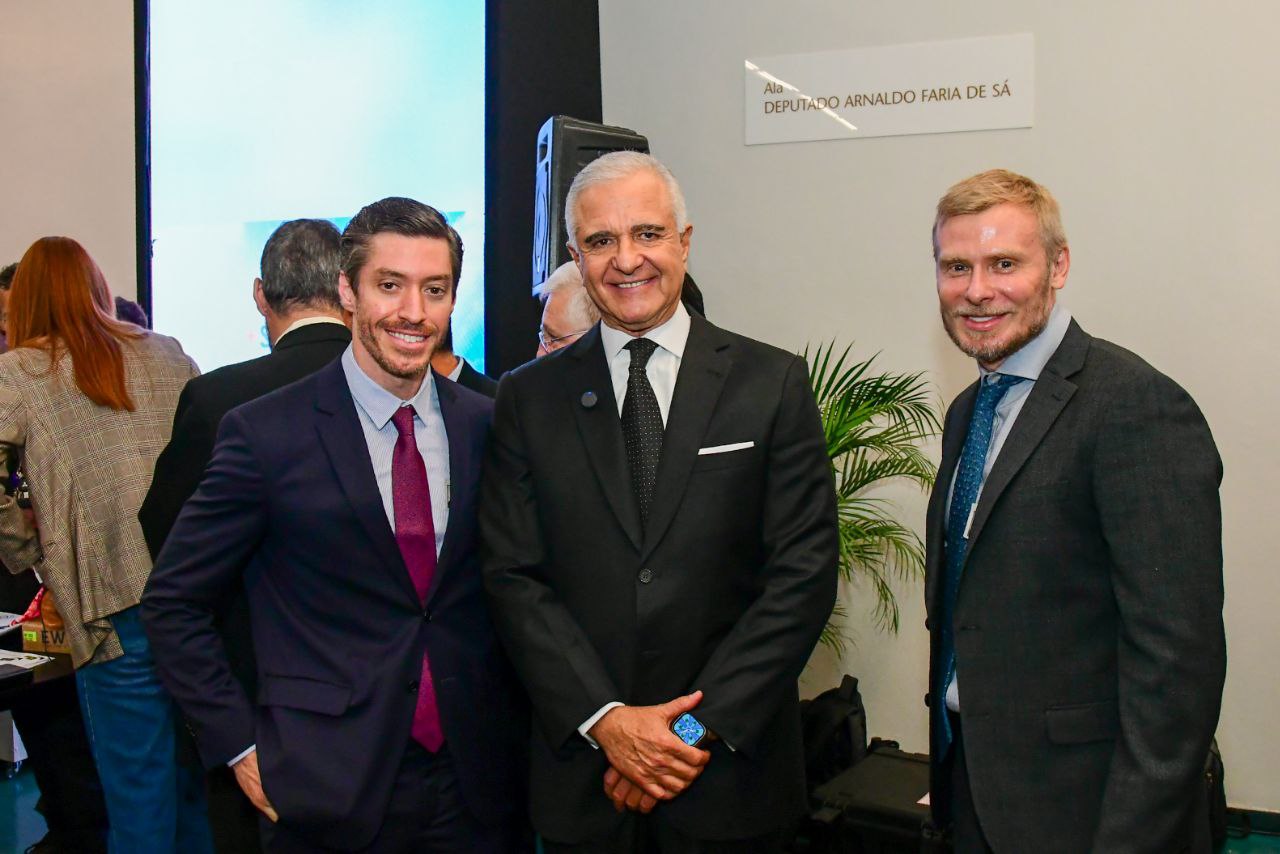
“We are very pleased with such high recognition, particularly in this prominent year as we celebrate the 80th anniversary of the Russian nuclear industry. For many years, we have been developing our cooperation with Brazil in medicine, energy, science, and other crucial areas. Rosatom is a supplier of radioisotopes for Brazil’s nuclear medicine and maintains close working contacts with its Brazilian partners in nuclear fuel cycle management. Given Brazil’s ambitious plans for developing its nuclear sector, I am confident we have tremendous partnership opportunities, from uranium mining projects and nuclear new build to joint initiatives in science and healthcare,” said Ivan Dybov, Director of Rosatom Latin America, when accepting the award.
Rosatom also contributes to strengthening Russian-Brazilian relations through the development of young talent. A prime example is the Global HackAtom international championship for students from around the world to propose innovative solutions in the field of nuclear technologies. This year, the Brazilian team TupiTech won the final in Moscow. Symbolically, the winners were honored at the same official session of the National Congress where Rosatom received its award.
Educational initiatives of Rosatom Technical Academy
Concurrently, experts from Latin America participated in two joint schools organized by the Rosatom Technical Academy and the IAEA on stakeholder engagement and nuclear power project management. The schools were attended by 60 professionals from 26 countries.
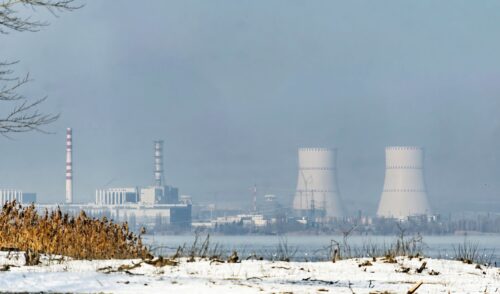
They studied innovative approaches to managing large nuclear projects, mastered the fundamentals of nuclear safety, and received practical recommendations for adapting international standards and best practices to national specifics. As part of the training program, the school attendees were taken on a technical tour to the Kalinin Nuclear Power Plant. The international experts visited the turbine halls of Units 1, 2, and 3, and the unit control room.
“I learned a lot from the training course and am returning home with knowledge, tools, and great enthusiasm to continue working in this field. I plan to share this knowledge with my colleagues and conduct my own Stakeholder Engagement School in Argentina. Visiting a nuclear station generating 4,000 megawatts is a perfect chance to see the scale the nuclear industry can achieve. The culture of safety and responsibility we witnessed at the Kalinin NPP speaks volumes,” said María Luján Arcidiacono from the National Atomic Energy Commission of Argentina and an attendee of the Stakeholder Engagement School.
The Management School was intended for industry executives and featured hands-on sessions on leadership and managing large projects. The Rosatom Technical Academy conducted training classes on the fundamental principles of nuclear safety, including risk assessment and the application of regulatory requirements. IAEA experts and international specialists held panel discussions on infrastructure development, innovation, and the role of international cooperation.
Photo by: Rosatom Technical Academy, ABDAN