The beginning of Paks II construction moved closer as Hungary granted all necessary licenses in November 2025. Rosatom is now preparing for the first concrete pouring scheduled for February 2026, while cooperation is expanding into other areas, from personnel training to scientific hackathons and sister-city development. Read about last year’s key milestones in our report.
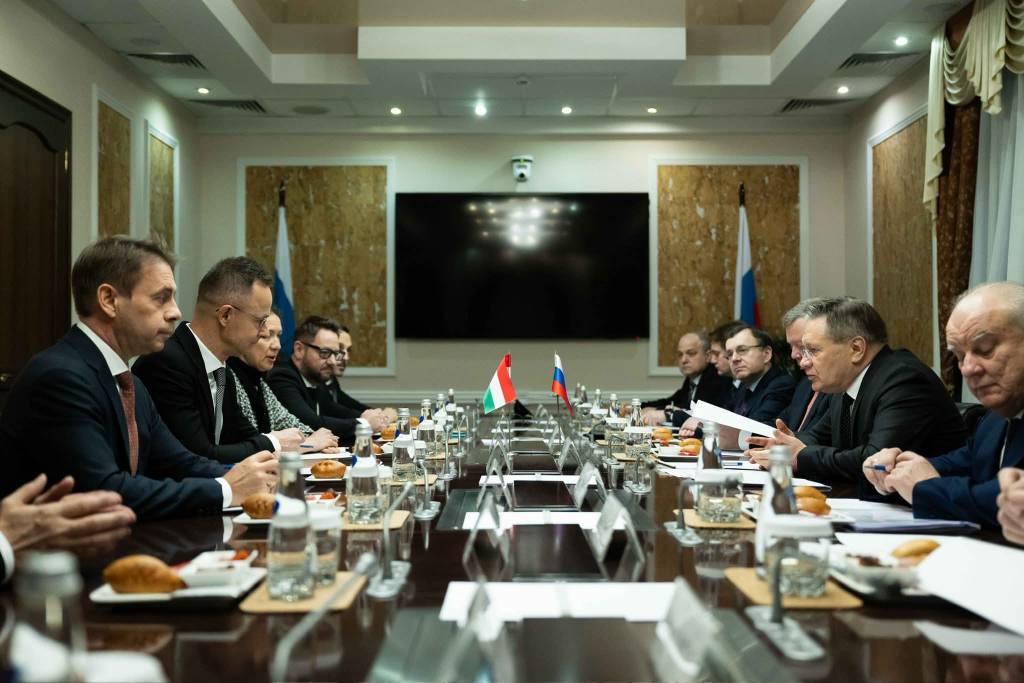
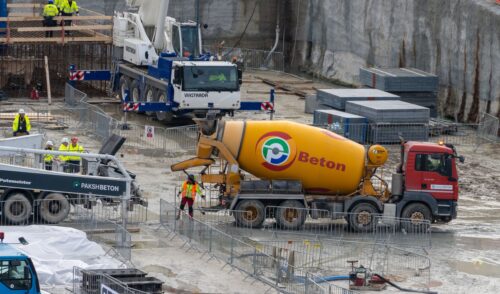
In early November, the Hungarian Atomic Energy Authority issued permits allowing the first concrete to be poured for the foundation of Paks Unit 5. According to the schedule, this should take place 80 days after the licenses are issued. Thus, first concrete is expected to be poured in early February 2026.
“The licenses obtained enable AtomStroyExport, Rosatom’s engineering division and the general contractor, to begin preparations for the first concrete pouring to take place in February 2026,” said Alexander Merten, Senior Vice President for International Business Development at AtomStroyExport.
Earlier, Hungary approved the shipment of equipment for the nuclear island of the Paks II NPP. Rosatom’s mechanical engineering division received confirmation from the Hungarian customer that the equipment was in full compliance with their requirements. The document authorizes the Russian nuclear corporation to ship the nuclear steam supply system manufactured at the production sites of its mechanical engineering division. Furthermore, in April, Rosatom’s mechanical engineering division commenced manufacturing a reactor pressure vessel for Unit 6 of the Paks Nuclear Power Plant.
Speaking at a conference dedicated to the development of renewable energy in Hungary, Hungarian Minister of Energy Csaba Lantós called nuclear and renewable energy the two pillars of Hungary’s energy sovereignty. Lantós stressed that no sustainable climate policy could exist without nuclear energy, and that Hungary remained a steadfast supporter of nuclear energy. The operating lifespans of the four units at the Paks NPP will be extended and, once Paks II is completed, all six units combined will be able to meet half of the country’s growing electricity demand.
Expert collaboration
Construction works and personnel training for the future plant are running in parallel.
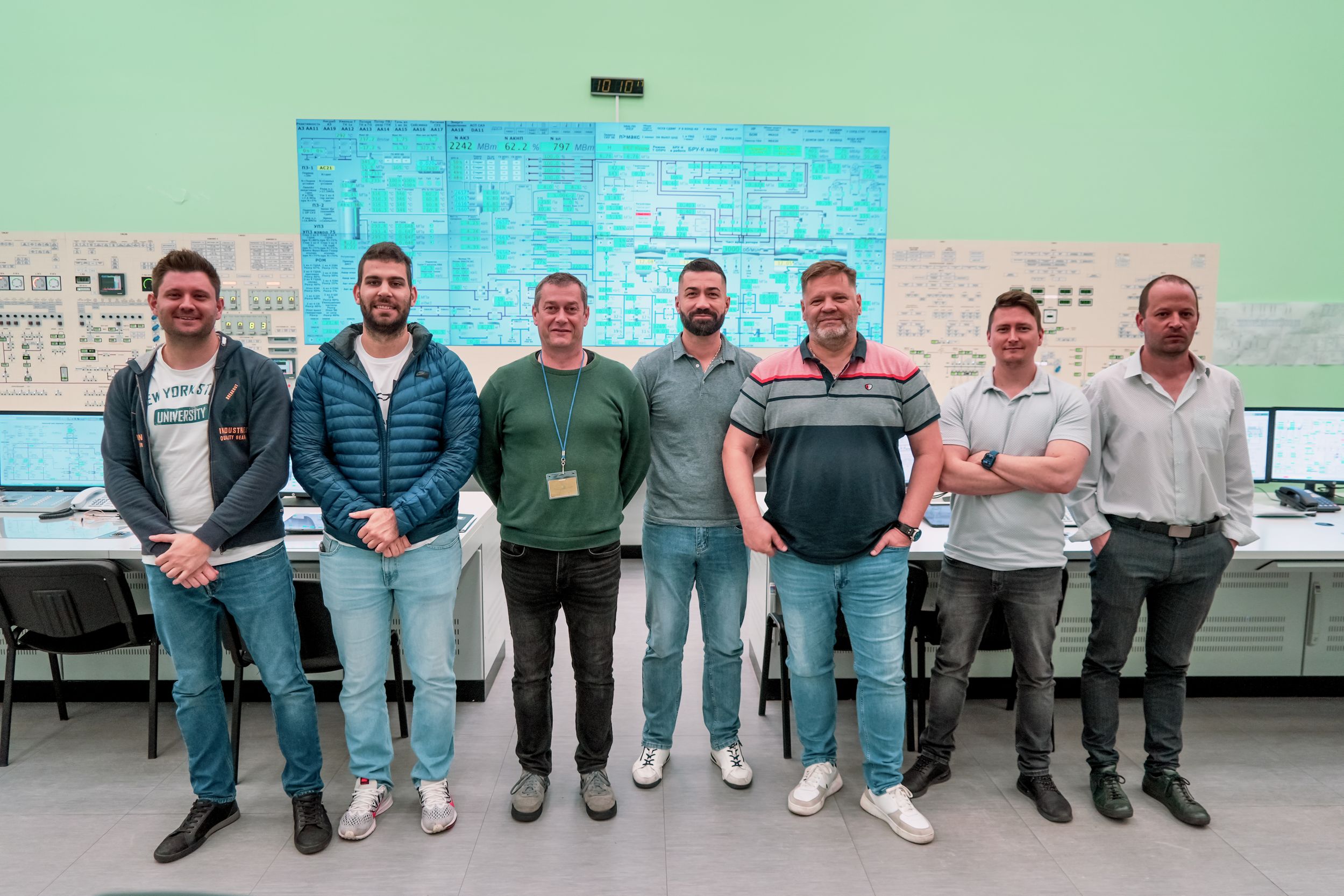
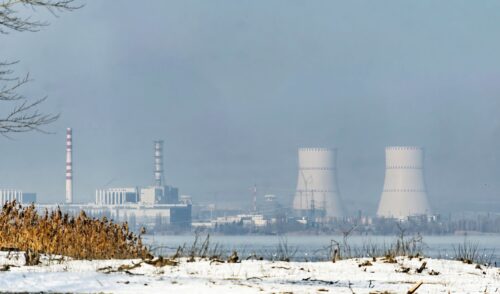
In July, a group of Hungarian interns underwent training at the site of the Leningrad Nuclear Power Plant in Russia. This marked the final stage of a two-month course held at the Saint Petersburg branch of Rosatom’s Technical Academy. The training was conducted under the guidance of experienced instructors from Leningrad II NPP and experts from the Technical Academy. The trainees included Hungarian nuclear professionals who will subsequently train personnel for the Paks II Nuclear Power Plant using a full-scale simulator.
“The very fact that the training of key personnel for Paks II has begun even before the first concrete is poured demonstrates Rosatom’s special attention to customer requirements and allows us to establish an effective personnel training system for the Hungarian project,” said Vladislav Smolsky, Head of the Paks II Personnel Training Center at AtomStroyExport’s office in Hungary.
In October, Russian nuclear experts visited Hungary. The delegation included representatives from Rosatom, Russian nuclear host communities, and the Foundation for Assistance to the Development of Municipalities. The delegation visited Hungarian sister cities, met with their mayors, inspected social facilities, and visited the Paks II construction site.
The number of sister cities grew in 2025: the Hungarian city of Dunaföldvár and the Russian municipality of Zarechny signed a memorandum of understanding during the World Atomic Week in Moscow. The document launches cooperation in science, business, culture, and education. The parties plan official visits, working meetings, and joint conferences, seminars, and exhibitions.
Achievements of Hungarian professionals
In September, the Hungarian team IsotopeX won an honorable third place at the Global HackAtom international student championship held in Moscow. The team presented a project for a nuclear-powered supply unit to monitor vital signs and manage fluid retention in sleeping individuals during space travel.
The national hackathon stage was held in May at the University of Debrecen with Rosatom’s support. Teams had 24 hours to develop the best solution for a nuclear industry case study. Eleven teams from three Hungarian universities registered, with eight working on expanding the use of nuclear technology in medicine.
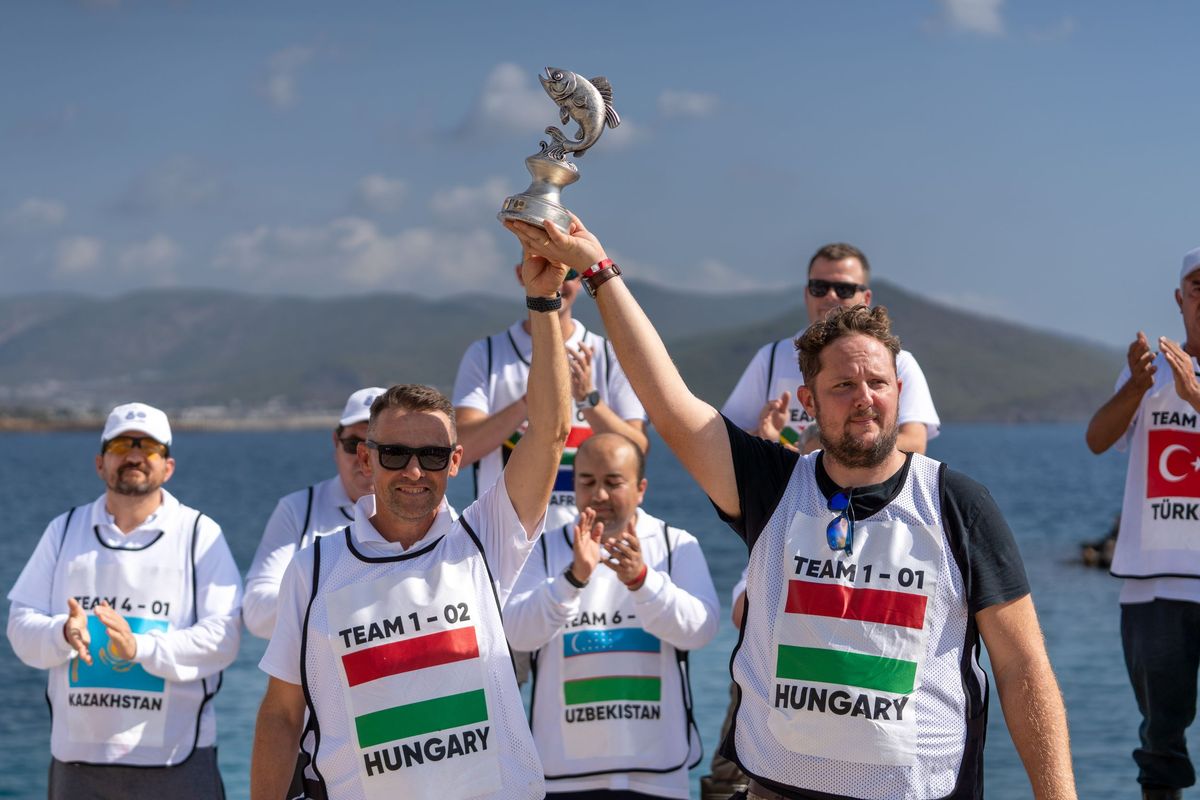
In October, a team from Hungary won the third international fishing tournament organized by Rosatom. Teams from Indonesia and Egypt took second and third places, respectively. The competition was held for the first time in Turkey, near the Akkuyu NPP construction site. The tournament featured 14 amateur anglers as well as reporters and expert community representatives from seven of Rosatom’s partner countries.
“This tournament is something I will remember for the rest of my life. I am happy to be the winner and grateful to Rosatom for organizing this wonderful event. It was also a pleasure to see how the Akkuyu NPP host region is living and developing,” commented Hungarian team angler László Kern.
Photo by: Rosatom State Corporation, Leningrad NPP, Akkuyu Nuclear JSC