In 2025, the project to build Kazakhstan’s first nuclear power plant moved from planning to practice: engineering surveys for the future facility began on the shore of Lake Balkhash. While preparing for this major project, Rosatom and Kazakhstan also actively advanced their cooperation across other fields. This article covers the partnership’s key milestones from the past year.
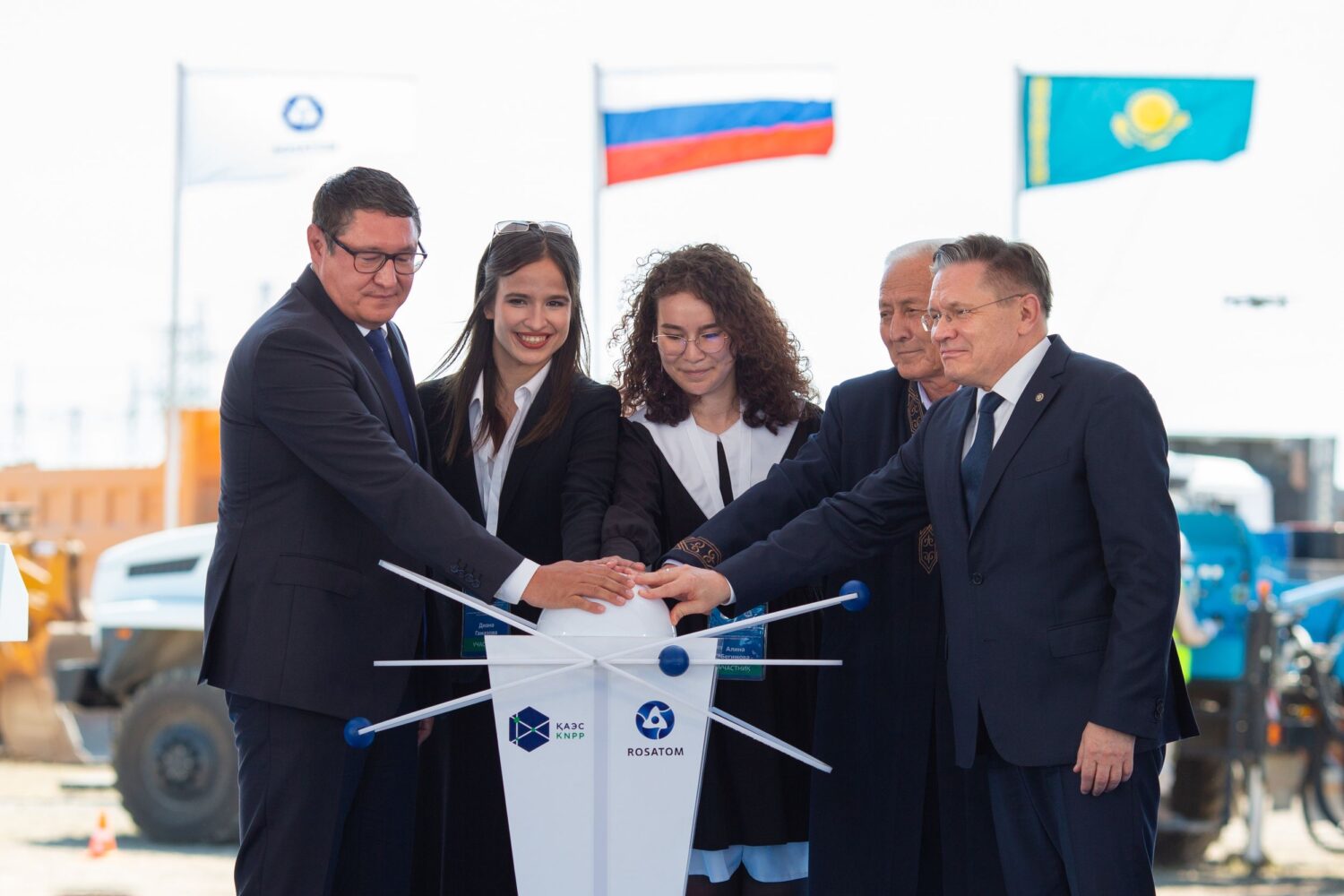
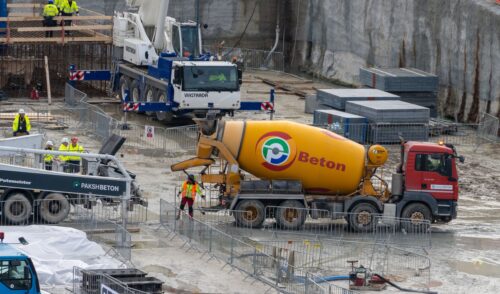
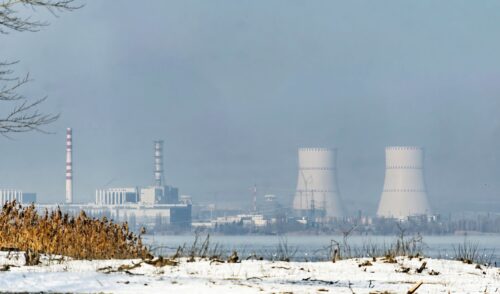
On August 8, engineering surveys were launched on the shores of Lake Balkhash to select the optimal site for the nuclear power plant and prepare design documents. Rosatom’s Engineering Division started drilling the first exploratory borehole and collecting soil samples. These surveys will help assess seismic stability, hydrogeological conditions, and other site-specific parameters that are crucial for safety and reliability of the future power plant.
The Kazakh NPP will feature Rosatom’s flagship Generation III+ VVER-1200 reactor. Being the most advanced, technologically sophisticated, and safest Russian design to date, it incorporates decades of experience in engineering and operating reactors of the same type. Its service life is 60 years, extendable by another 20. The design incorporates independent—active and passive—safety systems. Active systems enable personnel to quickly respond to potential abnormal situations, while passive systems function even without electrical power or operator intervention.
“VVER-1200 reactors are already operational domestically and abroad, four units in Russia and two in Belarus. This technology has also been selected by our partners in Hungary, Egypt, Turkey, Bangladesh, and China. There is still much work ahead, and we count on support and assistance from the leadership of both Russia and Kazakhstan,” said Rosatom Director General Alexey Likhachev.
Business engagements
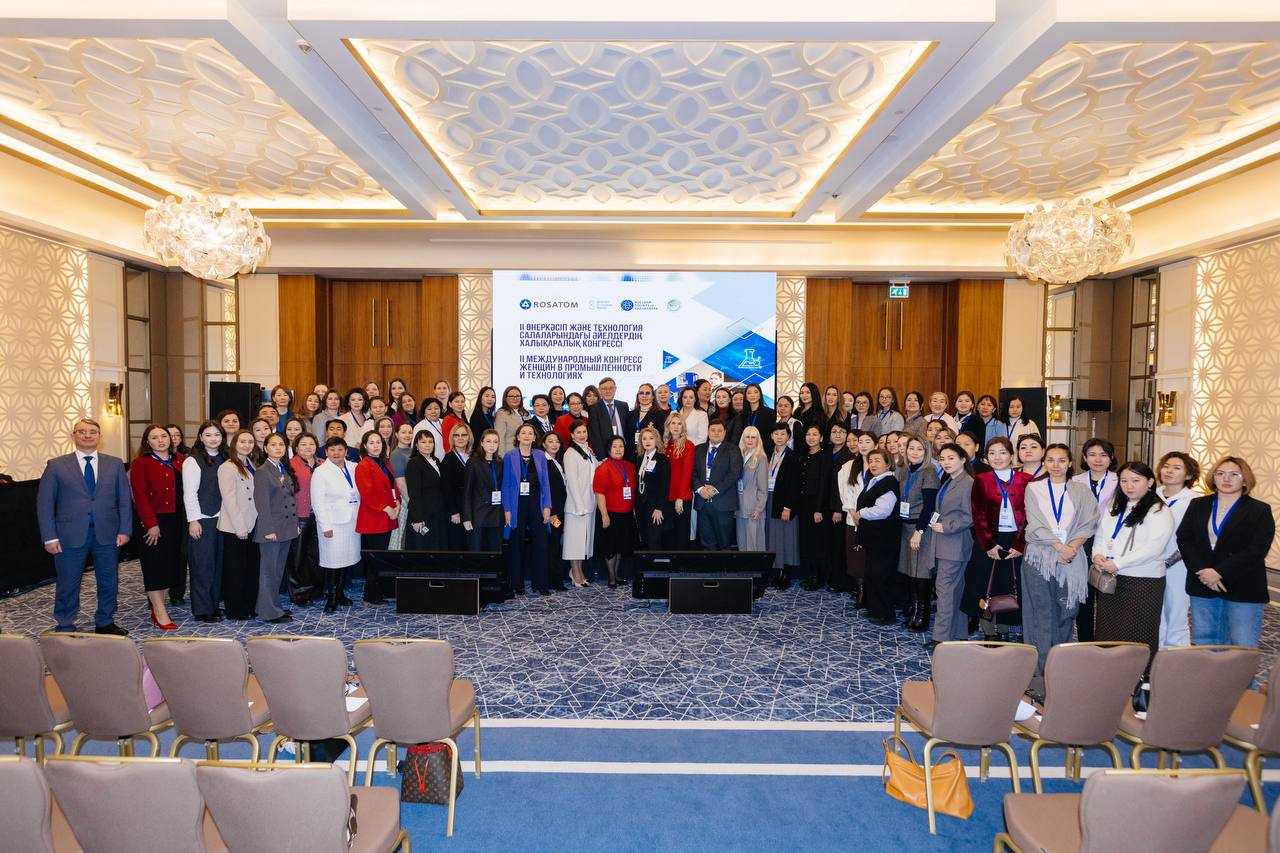
In December, Astana hosted the Women in Industry and Technology Congress attended by representatives from the Russian nuclear corporation and the Women’s Community of Rosatom. At the event, women professionals from six countries discussed international trends in integrating women into the industrial sector and developing mentorship projects for young talent.
“Constructing the nuclear power plant will require up to 10,000 workers, and about 2,000 people will operate and maintain it. All paths are open to our respected women, whose professionalism and competence are becoming a driving force for progress,” said Timur Zhantikin, Deputy Chairman of the Atomic Energy Agency of the Republic of Kazakhstan.
In November, Kazakhstan representatives took part in the 5th Young Scientists Congress at the Sirius University of Science and Technology in Russia. This annual event brings together leading scientists from various countries to discuss prospects for joint international research, seek effective collaborations between science and business, showcase scientific achievements, and provide networking opportunities for young researchers. This year’s Congress was attended by over 8,000 delegates from more than 100 countries.
In late September, a delegation from Kazakhstan participated in the World Atomic Week (WAW) forum held in Moscow.
As part of it, Rosatom Director General Alexey Likhachev held talks with the Chairman of Kazakhstan’s Atomic Energy Agency. The counterparts aligned their positions on current and future matters related to the construction of a large Russian-designed nuclear power plant, the first in Kazakhstan.
“We are confident that we will deliver our nuclear energy strategy with public support. We held a national referendum last October, and the majority of people supported the nuclear plant construction. As for the region where the plant will be built, support reaches as much as 90%,” said Yernat Berdigulov, CEO of Kazakhstan Nuclear Power Plants LLP.
Russian and Kazakh nuclear professionals also met beyond WAW. In September, Almaty hosted an international conference on knowledge digitalization in the nuclear industry. Participants discussed nuclear energy development, public trust building, and the role of digital technologies in advancing the sector. Special attention was given to automation and the use of artificial intelligence to enhance efficiency and safety.
Partnerships
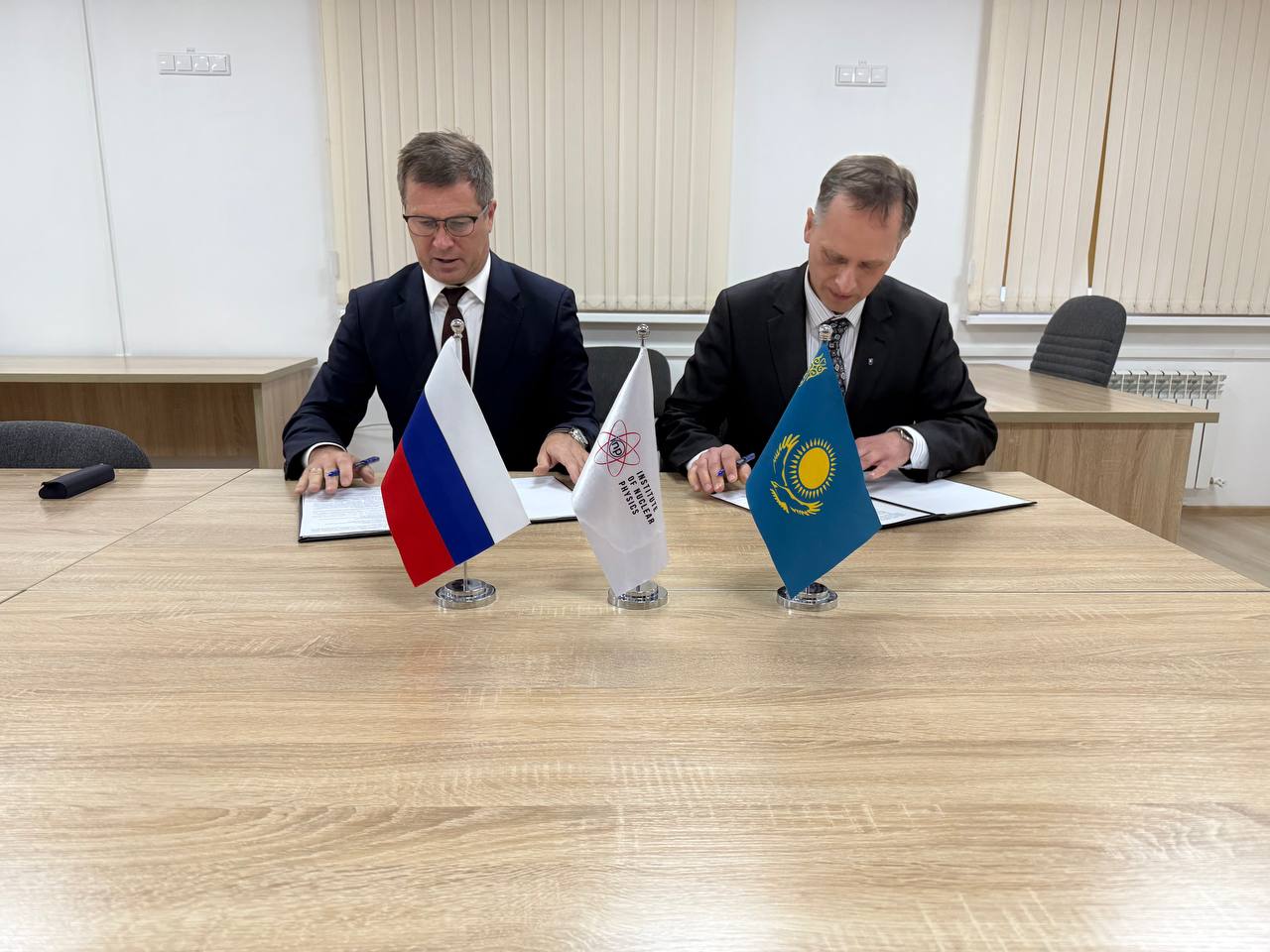
In November, Rosatom and the National Nuclear Center of Kazakhstan signed a memorandum of intent on scientific, technological, and commercial cooperation in radioactive waste management and nuclear decommissioning. Russian experts are expected to assist in developing Kazakhstan’s national strategy for radioactive waste management and personnel training for the nuclear industry.
The nuclear back-end comprises three major areas of activity: safe management of radioactive waste and spent nuclear fuel, decommissioning of retired nuclear and radiation facilities, and subsequent rehabilitation and reclamation of legacy sites.
Atomic Energy Agency
In March, Kazakhstan President Kassym-Jomart Tokayev signed a decree titled “On Measures for Further Improvement of the State Governance System in the Republic of Kazakhstan.” This decree established a national Atomic Energy Agency. The new government body will report directly to the president.
The agency will assume the functions and powers of the Ministry of Energy in the areas related to uranium extraction, use of atomic energy, public radiation safety, and the creation and operation of the Semipalatinsk Nuclear Safety Zone. Almasadam Satkaliyev was appointed as the head of the agency. Prior to this, he had served as the Minister of Energy.
Photo by: Rosatom State Corporation, Rosatom Engineering Technologies, Rosatom Women’s Community