Rosatom is actively promoting collaboration with Bangladesh. Hot functional tests have begun on the first reactor of the Rooppur Nuclear Power Plant; Bangladeshi students submitted a record number of applications for the Icebreaker of Knowledge expedition, and Russian paintings were displayed as part of the Rosatom Territory of Culture program.
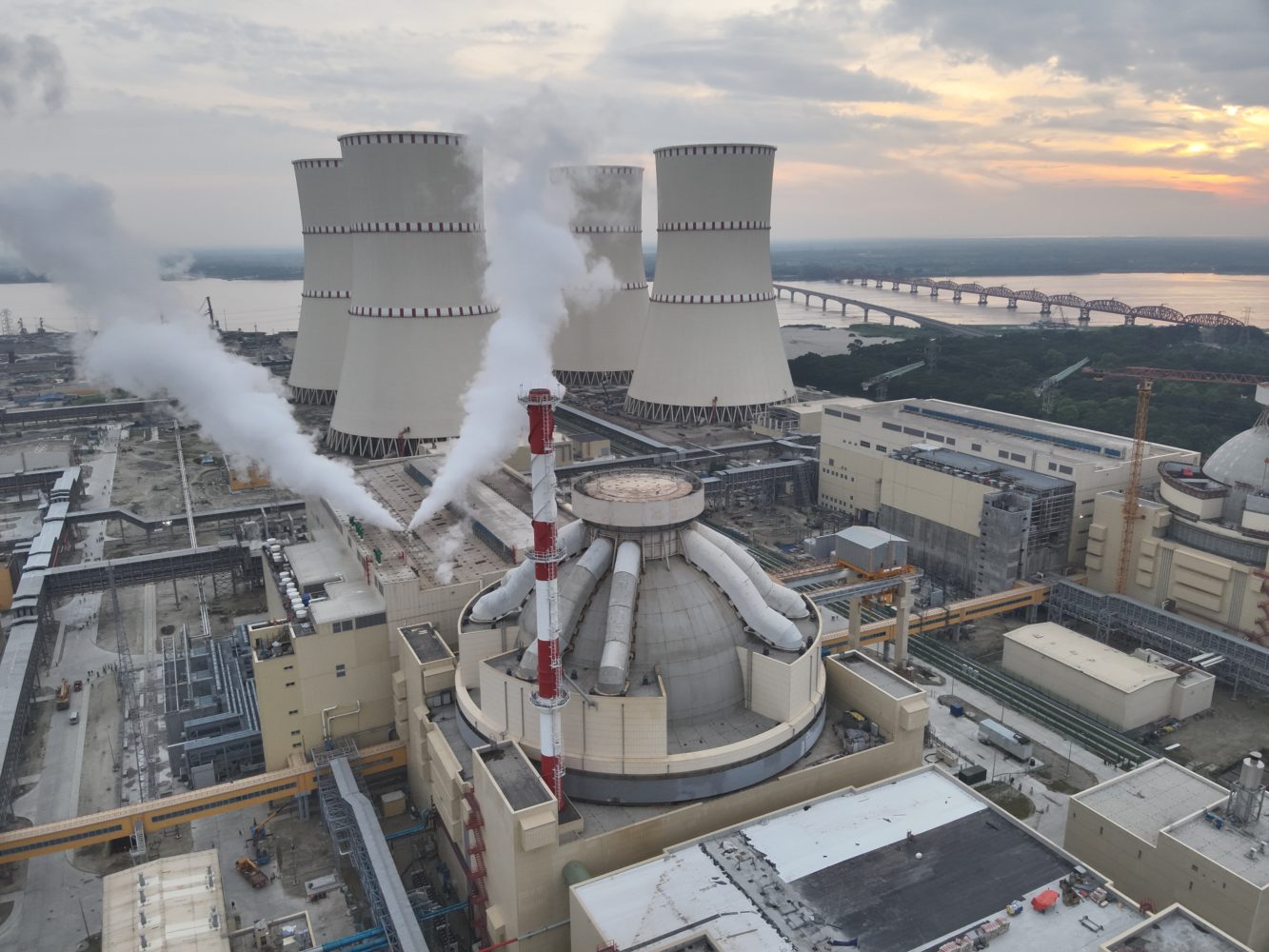
Unit 1 of the Rooppur Nuclear Power Plant has entered one of the most critical pre-commissioning stages as hot functional tests began on the reactor. During the tests, the reactor is gradually heated up, while engineers methodically assess the performance of key components — pumps, pipelines, and heat exchangers — under these conditions. It is essential to monitor how the equipment behaves in operation to make sure it will be safe and reliable once the plant is up and running.
In fact, hot functional testing is a comprehensive reliability check of the reactor unit before moving on to the next, more critical phases. This process demonstrates whether the reactor is ready to function under near-real conditions and how smoothly all systems work.
Icebreaker of Knowledge
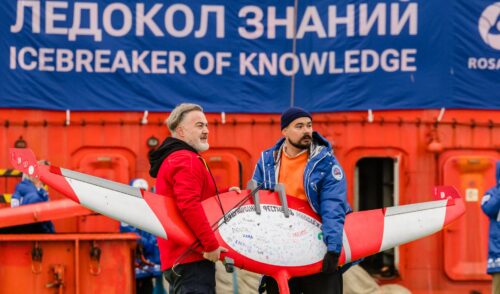
The sixth Icebreaker of Knowledge expedition, organized with support from Rosatom, has come to an end. The Icebreaker of Knowledge is Rosatom’s educational initiative targeting talented and curious students aged 14 to 16. This year, 65 students traveled to the North Pole aboard the nuclear icebreaker 50 Let Pobedy. All of them are winners of open Russian and international selections, as well as other federal, regional, and industry-wide competitions. The sixth expedition is dedicated to the 80th anniversary of Russia’s nuclear industry and the 500th anniversary of the Northern Sea Route exploration.
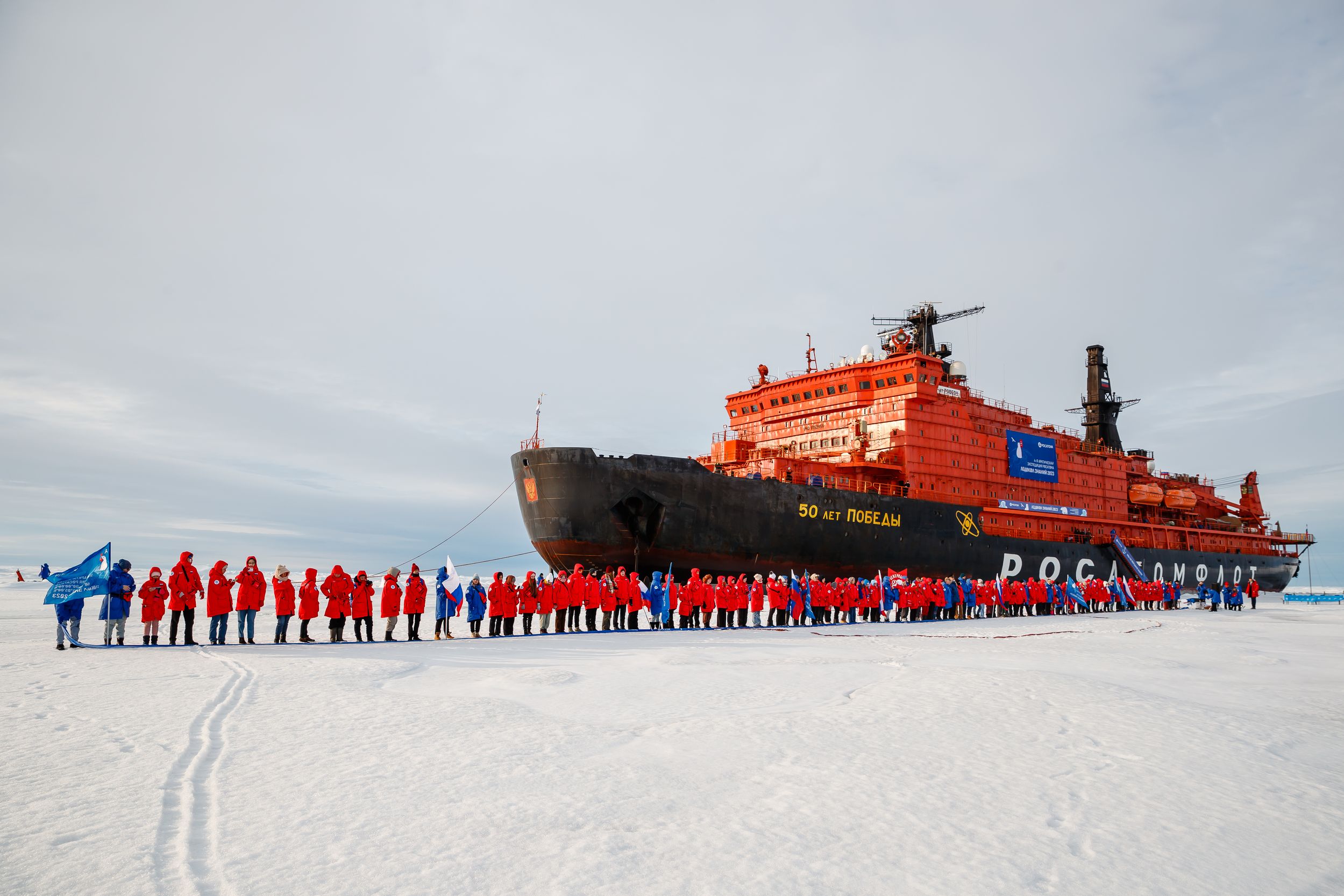
This year, Bangladesh set a record with 841 applications for the competition. In total, applications were filed by about 4,000 students from 20 countries (including Armenia, Bangladesh, Belarus, Bolivia, Hungary, and others). Twenty international students were selected to take part. “Let’s stay on the top of the world”, said Mahmud Al Abdullah from Bangladesh.
The international selection process began on April 28, 2025, on Goarctic.energy website and included three stages. In the first stage, international participants completed a science quiz. The second stage featured a series of webinars on Rosatom’s breakthrough technologies, including those used to ensure safe Arctic shipping. After viewing the materials, each contestant had to test their knowledge and make a summary. In the final round, top-scoring candidates presented short videos on how nuclear technologies could improve life in their countries. These creative entries were evaluated by an international panel of experts from the Icebreaker of Knowledge 2024 expedition, the ITER Project Center, the Russian Quantum Center, and Russian nuclear fleet operator Atomflot. Key selection criteria included depth, coverage, originality and creativity of the video presentations. Some members of the expedition became the first representatives of their countries ever to reach the North Pole. We will share more details about the expedition in our next issue.
Russian art exhibition
The Russian Embassy and Russian Center of Science and Culture in Bangladesh hosted an art exhibition titled “Images of Russian History”. It was organized under the Rosatom Territory of Culture program, with support from the Engineering Division of the Russian nuclear corporation. The exhibition was one in a series of events dedicated to the 80th anniversary of Russian nuclear industry.
Visitors had the chance to view reproductions of iconic works by Viktor Vasnetsov, Nicholas Roerich, Mikhail Vrubel, Valentin Serov, Ivan Shishkin, and other celebrated artists from the collections of the State Tretyakov Gallery and the State Russian Museum. The artworks illustrated key milestones in Russian history — triumphs and hardships, spiritual highs and difficult trials, heroic feats, and everyday life.
The event was attended by government officials, representatives of public organizations, research and educational institutions, students, cultural figures, and members of the Soviet Alumni Association Bangladesh.
“The paintings on display offer valuable insights into how different generations of artists perceived their country and its past. These artworks show that history is not a static set of facts, but a subject of ongoing debate and reinterpretation,” said Oksana Konysheva, Head of Rosatom Territory of Culture.
Photo by: Rosatom, ASE, ROSIZO