Rosatom is actively expanding cooperation with African nations in nuclear energy. In 2025, these partnerships reached a new level with the signing of several intergovernmental agreements and the development of infrastructure and educational projects. Africa is turning to Russian nuclear technologies to address its energy security and sustainable development goals. This review highlights the key events of the past year.
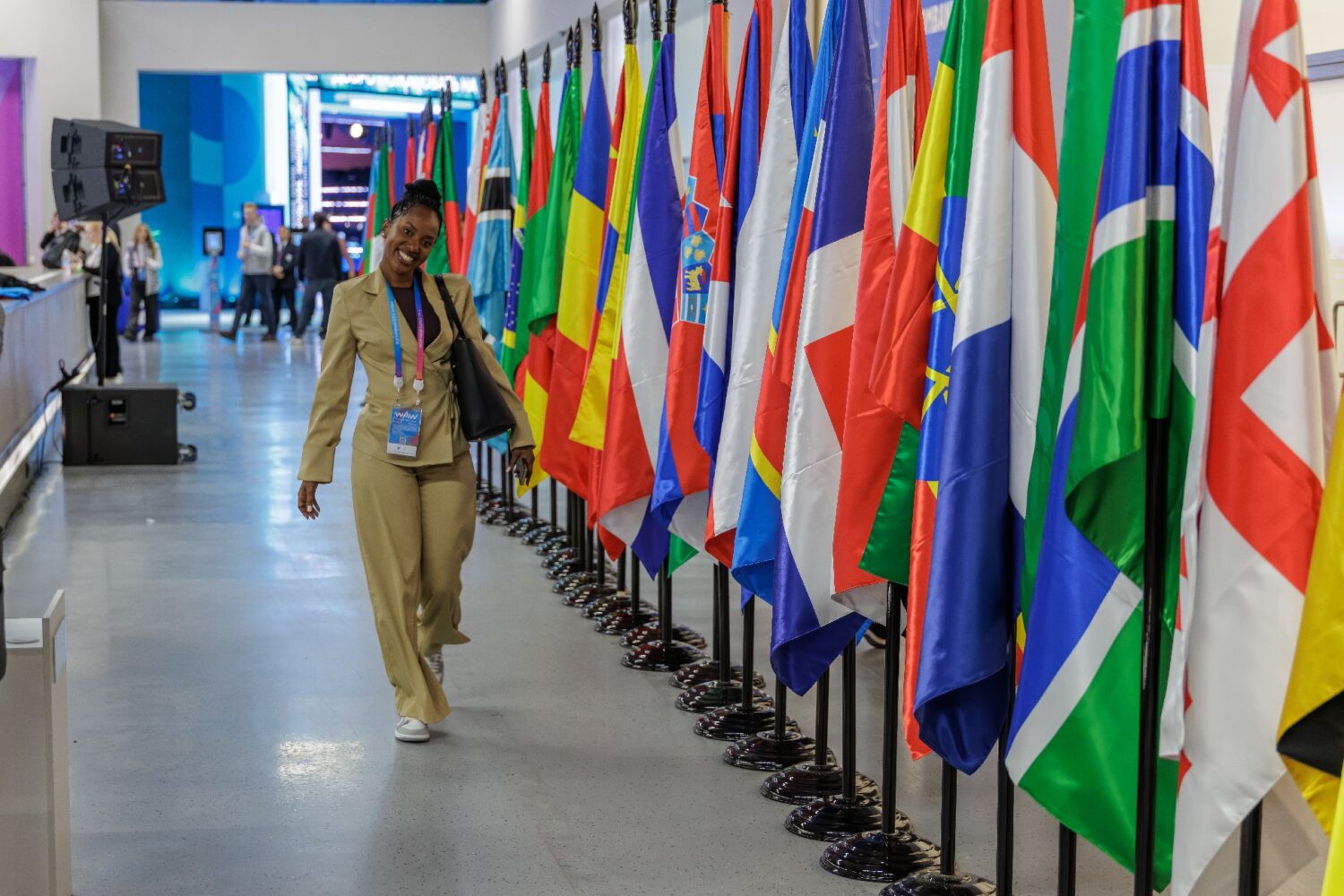
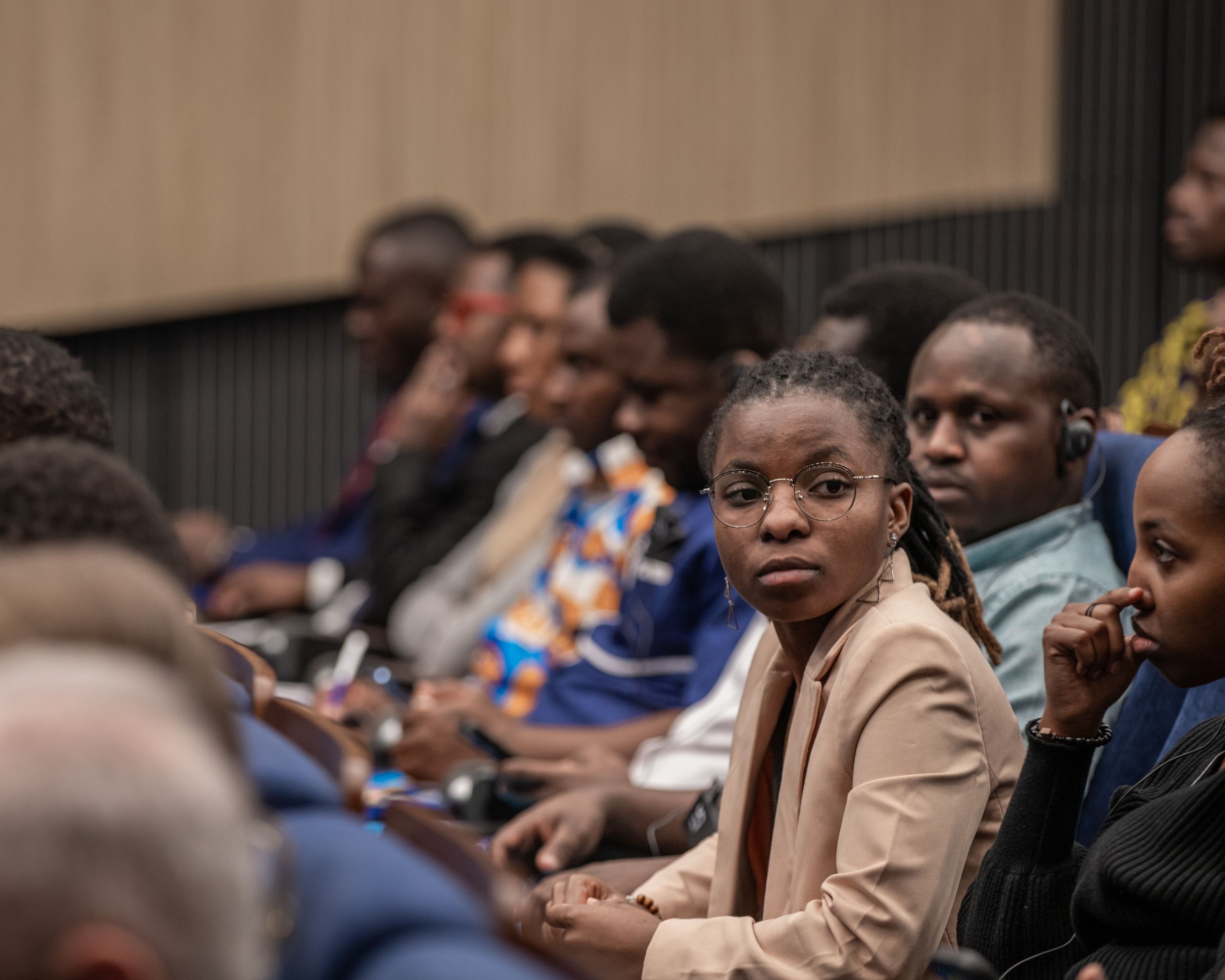
In September, delegations from Africa participated in the World Atomic Week (WAW) international forum held in Moscow, Russia. During the event, Rosatom and Ethiopia signed an action plan to advance the nuclear power plant project in Ethiopia. The visit of the Ethiopian delegation to Russia also included bilateral talks between Russian President Vladimir Putin and Ethiopian Prime Minister Abiy Ahmed.
“Our economy is one of the fastest-growing in the world, and we have big ambitions, which requires energy. Nuclear energy opens new opportunities for us as it brings new knowledge to our students and creates prospects for our farmers and medical professionals,” said Abiy Ahmed
Speaking at WAW, Niger’s Minister of Mines, Ousmane Abarchi, announced his country’s readiness to develop nuclear energy in partnership with Russia. “We understand that the energy sector is the engine of progress, which is why we have designed a national energy development program. We would like to construct two nuclear reactors with a total capacity of 2,000 megawatts on our territory. This is the Republic of Niger’s proposal to Rosatom,” Ousmane Abarchi said.
The dialogue between Russian and African nuclear professionals continued at the African Energy Week 2025 held in late September in South Africa. The event gathered over 5,000 government representatives, investors, and energy sector leaders. Kirill Komarov, First Deputy Director General for Corporate Development and International Business at Rosatom, participated in the forum’s key nuclear discussion. During the session, he emphasized: “Rosatom is proud to work alongside our African colleagues to shape a resilient energy mix, share expert knowledge, and build a sustainable low-carbon economy for future generations.”
In June, Russia and Burkina Faso concluded a civil nuclear cooperation agreement. The key areas of cooperation include assistance in establishing and improving Burkina Faso’s nuclear infrastructure, the regulation of nuclear and radiation safety, the production and application of radioisotopes in industry, medicine, and agriculture, and training professionals for the nuclear industry.
Also in June, the governments of Russia and the Republic of Mali signed a cooperation agreement on peaceful uses of nuclear energy. The document was signed by Rosatom Director General Alexey Likhachev and Malian Minister of Energy and Water Resources Boubacar Diane.
Education
Russian educational programs are becoming a key driver in the development of Africa’s strategic industries. With support from Rosatom, Rwanda is training nuclear professionals, while Tanzania and Namibia are developing skilled geologists. In July, the Peoples’ Friendship University of Russia (RUDN) held a ceremony to award diplomas to the first graduates of the joint master’s program in Mining Geology. The program is delivered by RUDN with support from Rosatom.
Also in July, the Novovoronezh Nuclear Power Plant hosted a technical tour for foreign students of the National Nuclear Research Institute (MEPhI) from 10 countries. Thirty-nine students from Zimbabwe, Zambia, Turkey, and other countries participated in the tour. Novovoronezh employees provided detailed explanations about the principles of safe equipment operation and the specifics of technological processes.
“I really liked that I could see the actual equipment of an operating nuclear station after studying theory. Ecuador doesn’t have a nuclear power plant yet, but there is growing interest towards it. If I become president, I’ll immediately approach Rosatom to build Ecuador’s first nuclear power plant,” said Bryan Fernando, a fifth-year student at the Obninsk Institute for Nuclear Power Engineering from Ecuador.
Furthermore, in 2025, experts from Rwanda, Sudan, Ghana, and other African nations actively participated in a series of international events organized by the Rosatom Technical Academy in St. Petersburg, Russia.
Nuclear victories
Female African students from Rosatom’s partner universities have won the international IAEA competition for female students “Shaping Africa’s Future Through Nuclear Sciences and Technology.” The event provides young scientists with an opportunity to present their ideas and research to international experts in nuclear energy. Among the winners were Meron Mazenga Demesse from Ethiopia and Grace Nabbe Mbofwana from Zambia, both students at the MEPhI Nuclear Energy Institute.
“Participating in this competition gave us a chance to demonstrate our knowledge and skills, and also to propose nuclear-based solutions for the current challenges faced by our countries. We are very pleased that our efforts have been duly recognized,” said one of the winners, Sohyla Montasser Ahmed Aboudeif.
Concurrently, winners of the 8th annual Atoms Empowering Africa 2025 video contest visited landmark sites of the Russian nuclear industry. Contestants were asked to create short videos illustrating how nuclear energy can contribute to Africa’s sustainable development. More than 50 submissions came in from across Africa. An international jury selected the winners representing South Africa, Egypt, Kenya, the Democratic Republic of the Congo, Burundi, and Namibia. The highest score went to Angel Makibi from South Africa.
“This trip opened new horizons for me. Learning about the educational and technological aspects of nuclear energy has inspired me to contribute to the development of clean energy in Africa,” said Angel Makibi.
Photo by: Rosatom Corporate Academy, Novovoronezh NPP, “Strana Rosatom” newspaper