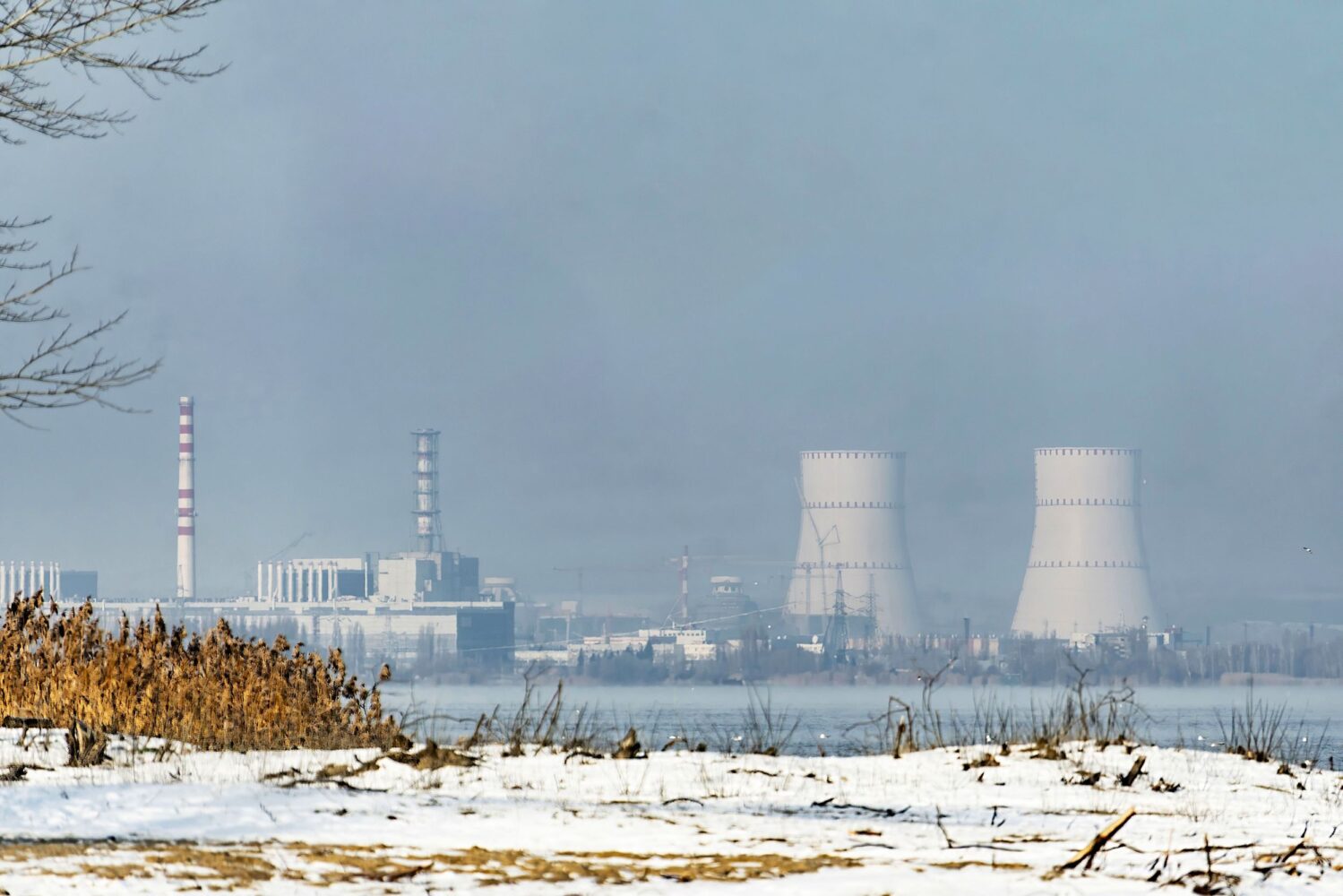
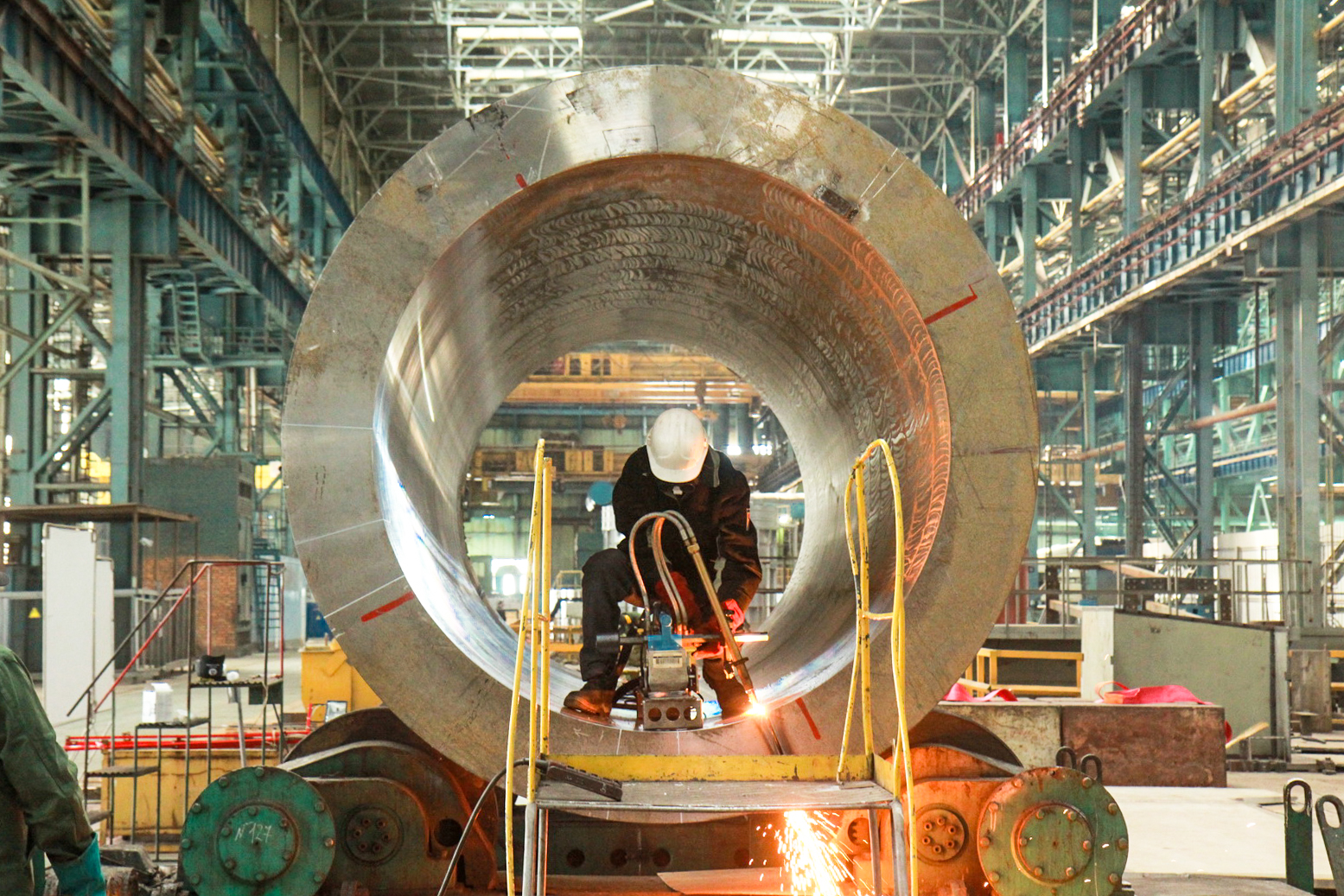
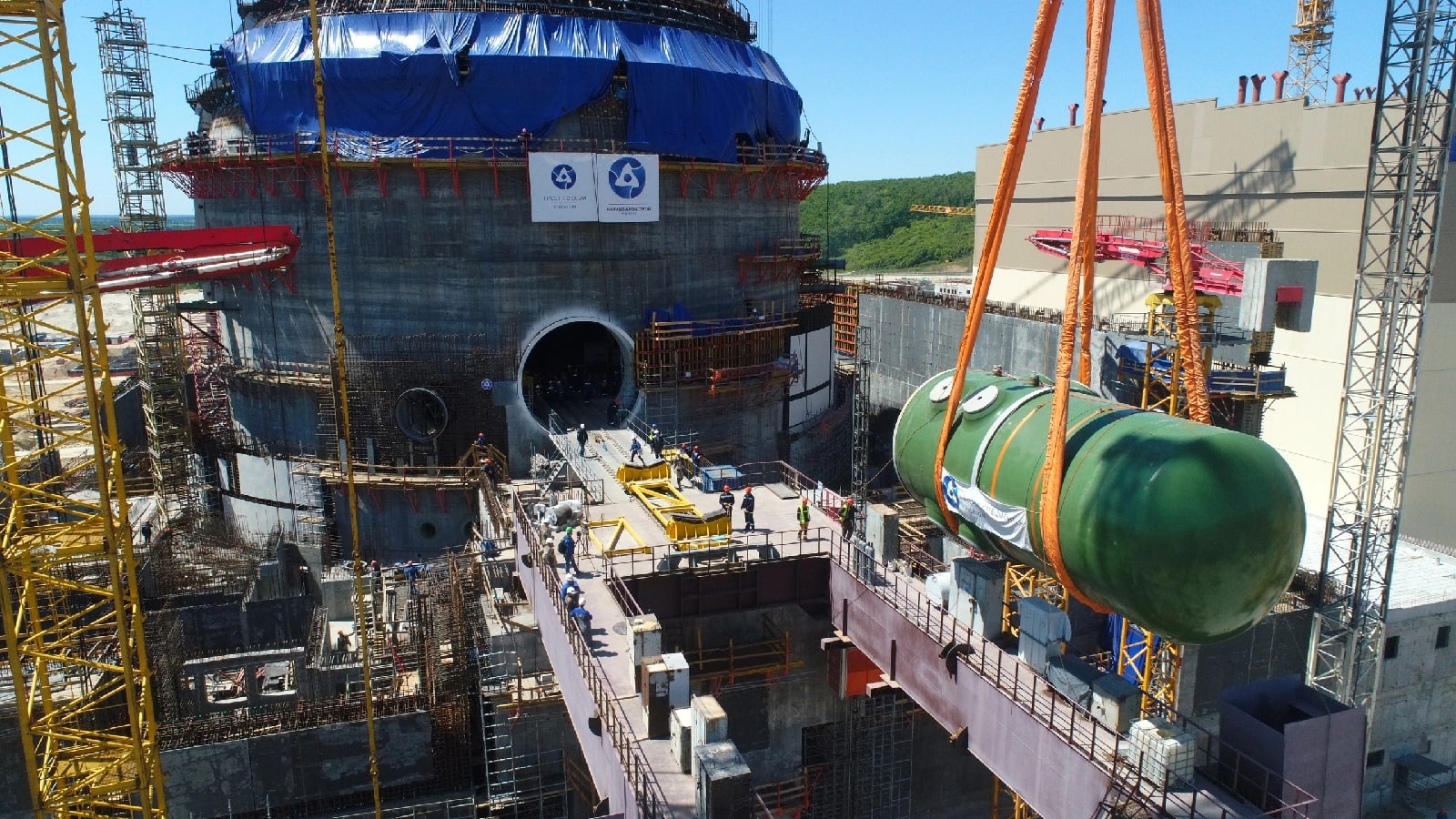
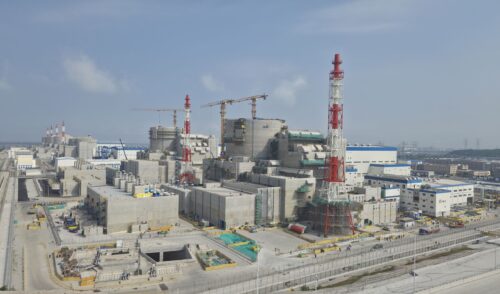
Along with continuously modernizing its reactor technologies, Rosatom keeps improving its overall approach to the construction of nuclear power units. A prime example is Unit 1 of the Kursk II NPP in Russia, built to the VVER-TOI design, which was connected to the grid on New Year’s Eve 2026.
The acronym VVER-TOI stands literally for the Russian phrase ‘Water-Cooled Water-Moderated Power Reactor – Universal Optimized Digital.’ VVER-TOI is an updated design for a standardized nuclear power unit that meets the latest safety requirements (incorporating post-Fukushima lessons) and global market demands. The previous standardized design was developed in 1980 and used to build power units at the Balakovo, Rostov, Kalinin, and Zaporozhye nuclear power plants in Russia, at Temelín in the Czech Republic, and others. This is why the reactor design is ‘universal.’
The new design addressed several objectives simultaneously. First and foremost, it had to meet 24 competitiveness criteria. To achieve this, Rosatom engineers conducted an in-depth optimization of design solutions, ranging from the general layout to electrical engineering. They revised transport logistics, instrumentation and control (I&C) systems, the layout, architectural and structural solutions for key buildings and facilities and, of course, the safety concept. This is why it is ‘optimized.’
Another objective was to create solutions enabling the management of information about the power unit throughout its entire lifecycle. When the work on the improved design started, such solutions were not available on the global market, so Rosatom created its own. This is why the design is ‘digital.’
The result is a system that accumulates all data about the power unit. It facilitates design and engineering, procurement management, and the control of supplies, timelines, resources, and costs, as well as data verification and compliance monitoring. Over 2,000 Rosatom engineers were involved in the work. They created a complex information model of the invariant part of the design, which can be replicated at new sites.
Thanks to these innovations, the design capacity of each power unit at Kursk II was increased by 25% compared to the previous generation (VVER-1000), reaching 1,250 MW. The service life of the main equipment doubled. The unit design combines passive and active safety systems, which supplement each other. They ensure prolonged autonomy of the unit in accident conditions (at least 72 hours), protection against common-cause failures, and a lower probability of human error. The unit is designed with enhanced seismic resistance: it can withstand an earthquake of magnitude 7 on the MSK-64 scale, while structures and components performing safety functions can withstand shocks up to magnitude 9. Technical solutions make the unit resistant to the impact of a heavy aircraft (20 tonnes in the base case, with a 400-tonne option) and other extreme external impacts (hurricanes, tornadoes, floods).
A New Year’s gift
The first power unit of the Kursk II NPP with a VVER-TOI reactor was connected to the grid on December 31, 2025. “The Kursk unit is the first embodiment of the latest VVER-TOI nuclear power unit design. This design incorporates the latest achievements in the nuclear energy sector and also features the most powerful reactor unit in Rosatom’s fleet. With the capacity of 1,250 MW, it is 50 MW more powerful than the previous record-holders, the units at Leningrad II,” Rosatom Director General Alexey Likhachev commented on the launch.
On January 29, 2026, Kursk II Unit 1 began operating in a pilot mode. This is the next stage following the grid connection. The pilot mode provides for a gradual power ascension to 100%.
Rosatom engineers will continue to optimize the basic design, utilizing the experience gained from the construction of units at Kursk II and deploying solutions that have demonstrated the greatest efficiency and economic effect. Improvements will target the reactor plant and extreme impact protection systems, load-following capabilities, the potential for using MOX fuel, and cost efficiency—everything that makes the Russian offer unique in the global market and in demand among international customers.
This site uses cookies. By continuing your navigation, you accept the use of cookies. For more information, or to manage or to change the cookies parameters on your computer, read our Cookies Policy. Learn more