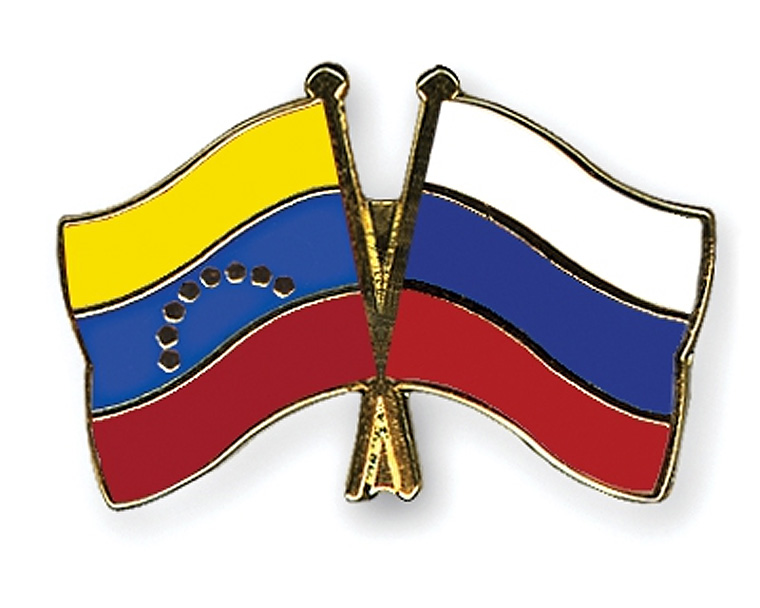
Russia and Venezuela signed an intergovernmental agreement concerning development of nuclear power in Venezuela in October 2010. At that time ROSATOM negotiated construction of a two-reactor NPP with VVER-1000 systems totaling 1.2 GW capacity and a basic project cost of US$ 5 billion. The cooperation with Venezuela was planned in several other areas. These included training of staff for the country’s nuclear industry. The plans were to build a research reactor in Venezuela to produce isotopes for medicine and agriculture. Besides, the Russian party planned to carry out uranium explorations there. However, to start the work, the Venezuelan legislation had to be brought in conformance with the international nuclear nonproliferation norms.
To revive the project
This work has appeared to go faster in the country. The Ambassador stated that Venezuela wanted to cooperate more closely with ROSATOM. “I think this issue was discussed on July 16 when President of Russia Vladimir Putin had a meeting with President of Venezuela Nicolas Maduro at the BRICS Summit in Brazil,” Juan Vicente Paredes Torrealba said. “We seek for opportunities to resume this project and the nuclear cooperation with Russia,” he said.
He added that owing to Russia’s support Venezuela would be able “to significantly advance in studying this area.” “The cooperation continuation issue will be decided on by the President of the republic based on negotiations with President Putin and his ministers,” the Ambassador noted. He added that today the cooperation in nuclear education was continued and 10 students were getting education in this area in Russian universities.
Ready to cooperate
ROSATOM explained that after the Fukushima-Daiichi accident the Venezuelan Government decided to additionally work out the issue of the nuclear power development in the country. “In case the Venezuelan Government decides to resume the nuclear power development program, we are ready for the cooperation, which would be based on the intergovernmental agreement we have signed,” a ROSATOM’s representative said.
As to other Latin American countries, construction of a new reactor at Atucha NPP in Argentina also may take place with ROSATOM’s participation. It already handed over a commercial and technical proposal to Argentina, while the international tender is expected in fall 2014. The new agreement with Brazil has also broadened the footprint in Latin America. The memorandum of understanding signed by Rusatom Overseas with the Brazilian Camargo Correa provides for the cooperation in building a spent nuclear fuel storage facility to house fuel from Angra NPP and for joint work opportunities of building new reactors. Nuclear power plants were not previously built to the Russian technology in Latin America; however, this market is considered promising, Sergey Kirienko, head of ROSATOM, said.