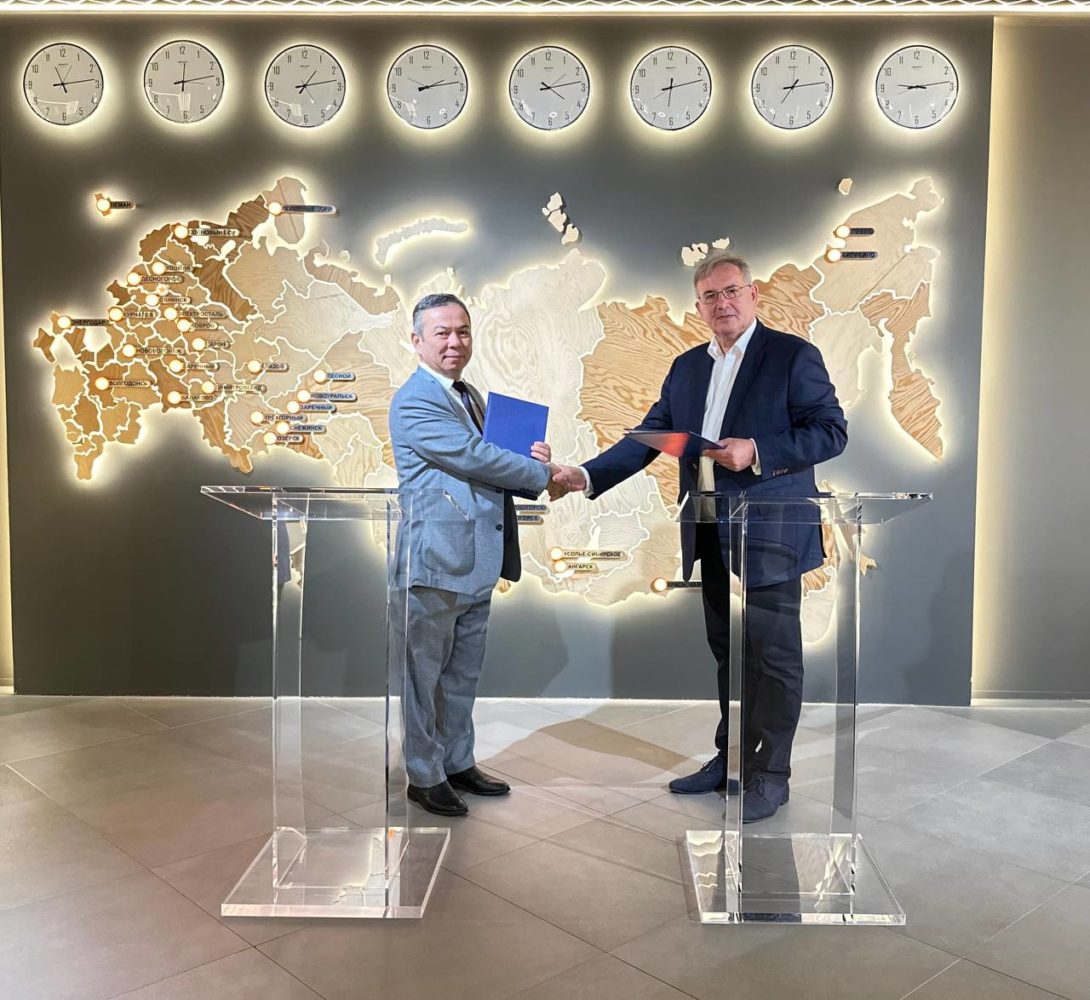
Russia and Uzbekistan have signed an agreement on cooperation in international scientific research. The Nuclear Physics Institute of Uzbekistan’s Academy of Sciences has joined the consortium that will operate MBIR, a Generation IV multi-purpose research reactor.
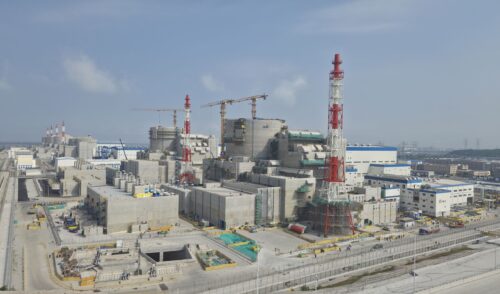
MBIR is the largest research reactor currently under construction in the world. It is being built in Dimitrovgrad (Russia) at the site of the Research Institute of Atomic Reactors (RIAR, part of Rosatom’s research division).
MBIR will be operated by the International Research Center (IRC), which is intended to become a global platform for applied and fundamental research. Currently, more than 20 countries and organizations are already involved in the project. The IRC functions as a consortium whose primary scientific body — the Advisory Council—brings together scientists from around the world. Council members will define and coordinate key research programs, and monitor their implementation.
By joining the consortium, scientists from Uzbekistan will gain access to the research platform and have the opportunity to take active part in developing the experimental program for MBIR.
“The accession of Uzbekistan’s Nuclear Physics Institute to the consortium will bring new opportunities for both Russian and Uzbek science. This primarily includes fundamental research in the experimental validation of theoretical models for the behavior and interactions of particles under extreme conditions, testing hypotheses about the nature of fundamental forces and symmetries, and searching for new states of matter and exotic phenomena,” said Vasily Konstantinov, CEO of MBIR IRC Consortium Leader (part of Rosatom).
“We are proud to become part of this one-of-a-kind MBIR consortium. With its Generation IV reactor as an essential tool, our scientists will be able to do cutting-edge research, advancing future-oriented fields of study,” emphasized Ilkham Sadykov, Director of the Nuclear Physics Institute of Uzbekistan’s Academy of Sciences.
MBIR specifications and capabilities
MBIR has 150 MW of thermal power and 55 MW of electric power— exceptionally high figures for a research reactor. Beyond its record-breaking power, MBIR boasts other unique features. For example, its extremely high neutron flux density will allow scientists to study the behavior of materials in a relatively short time, whereas other nuclear facilities would require decades to achieve equivalent radiation exposure.
Another distinctive feature of MBIR is its ability to accommodate several independent loop units with different types of coolants (sodium, lead, lead-bismuth, gas, and others). This will make it possible to simultaneously model operating conditions of reactors with various coolants and explore structural and fuel materials to validate Generation IV reactor concepts.
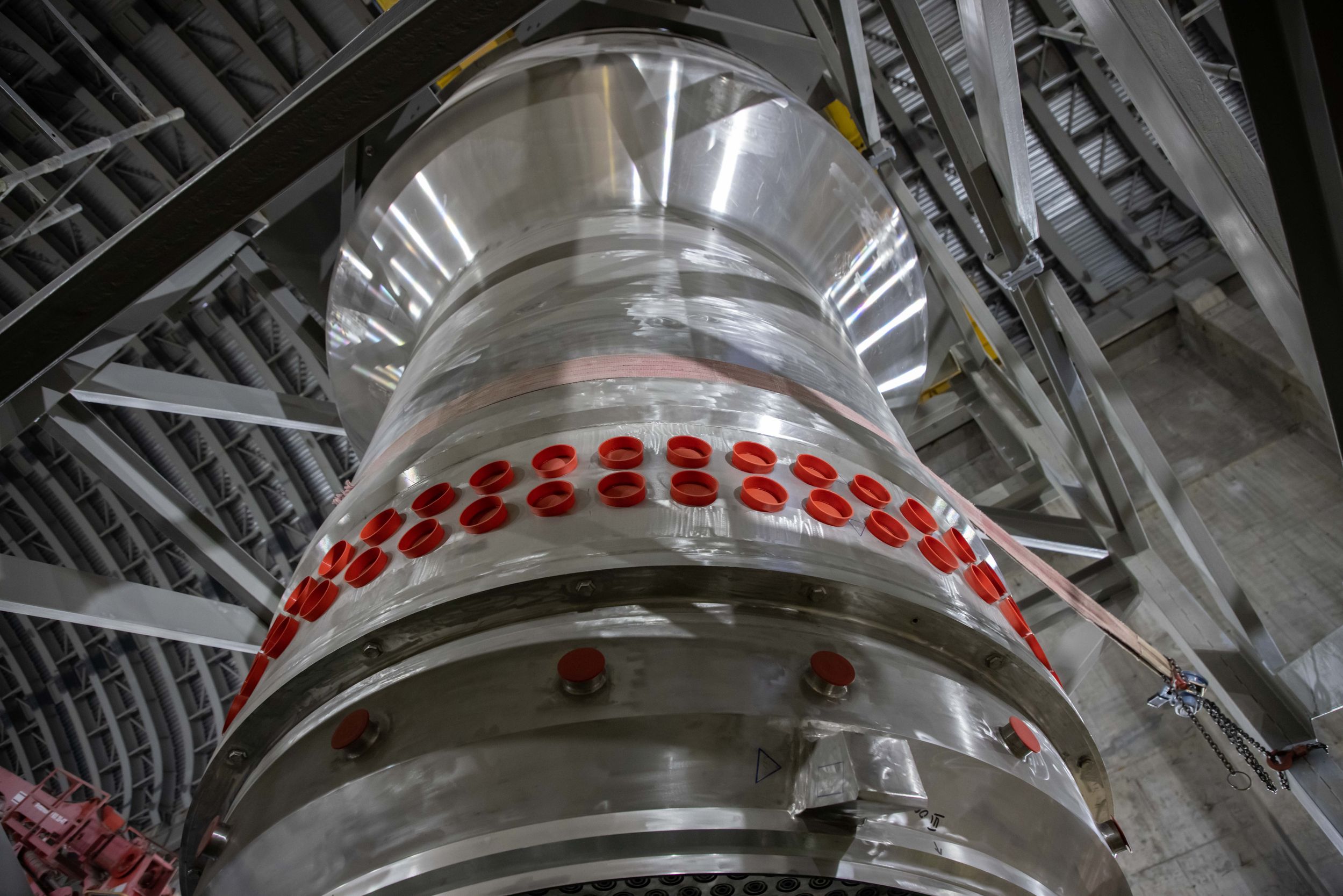
MBIR will have a three-circuit heat transfer scheme, with sodium used as the coolant for the first and second circuits and water for the third circuit. The reactor will be equipped with a steam turbine, handling systems, loop units, vertical and horizontal experimental channels, a set of research shielding chambers, and laboratory facilities.
As fuel, MBIR will use mixed-oxide (MOX) fuel, a blend of plutonium oxides extracted from spent nuclear fuel and oxides of depleted uranium, a by-product of uranium enrichment.
Research at MBIR
MBIR will replace BOR-60, a 60 MW fast neutron reactor launched in 1969 and remaining in high demand among both Russian and international companies. After extensive modernization financed by the government, its operational lifespan was extended until the end of 2028.
MBIR will continue in-pile and post-irradiation material studies and will be used to validate production technologies for radioactive isotopes and modified materials. Most importantly, MBIR will expand studies into closed nuclear fuel cycle technologies. It will also support the validation of solutions for the fourth generation of nuclear facilities.
In 2021, a national program for advanced experimental research at MBIR was approved for the period of 2028–2040. In addition to conventional fields of study, the program provides for potential non-energy applications, such as conducting biomedical research at MBIR. It will facilitate boron neutron capture therapy for treating certain cancers, as well as neutron doping of silicon for its subsequent use in electronics.
Photo by: JSC SSC NIIAR, RMS