The year 2025 became a milestone in the development of the long-standing strategic partnership between China and Rosatom. Here is a review of the past year’s highlights, from the participation of Chinese and Russian delegations in key industry events to progress in the construction of the Tianwan and Xudabao NPPs, culminating in the year-end accession of Shanghai ZDAN International Co. to the MBIR International Research Center consortium.
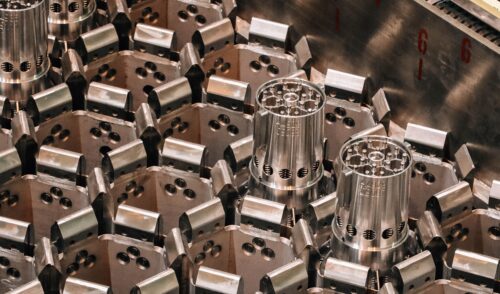
The unparalleled multi-purpose fast-neutron research reactor (abbreviated MBIR in Russian) is being built in Dimitrovgrad at the site of the Research Institute of Atomic Reactors (RIAR, part of Rosatom’s Research Division). Today, it is the largest research reactor under construction in the world.
The new reactor will make it possible to carry out in-pile and post-irradiation material studies and will be used to validate production technologies for radioactive isotopes and modified materials. Most importantly, MBIR will expand studies into closed nuclear fuel cycle technologies.
The reactor will be operated by the International Research Center (IRC) consortium, a global scientific platform for applied and fundamental research, with over 20 countries and organizations currently involved.
“By joining the MBIR Consortium, our company intends to open up new opportunities for a broader application of nuclear technologies in energy, industry, medicine, and other sectors,” says Shi Xiling, Director General of Shanghai ZDAN International Co.
Specializing in international supply, logistics, and comprehensive support for projects in nuclear energy, scientific research, and related high-tech fields, the company is also a qualified supplier for Chinese nuclear industry corporations.
Strengthening ties
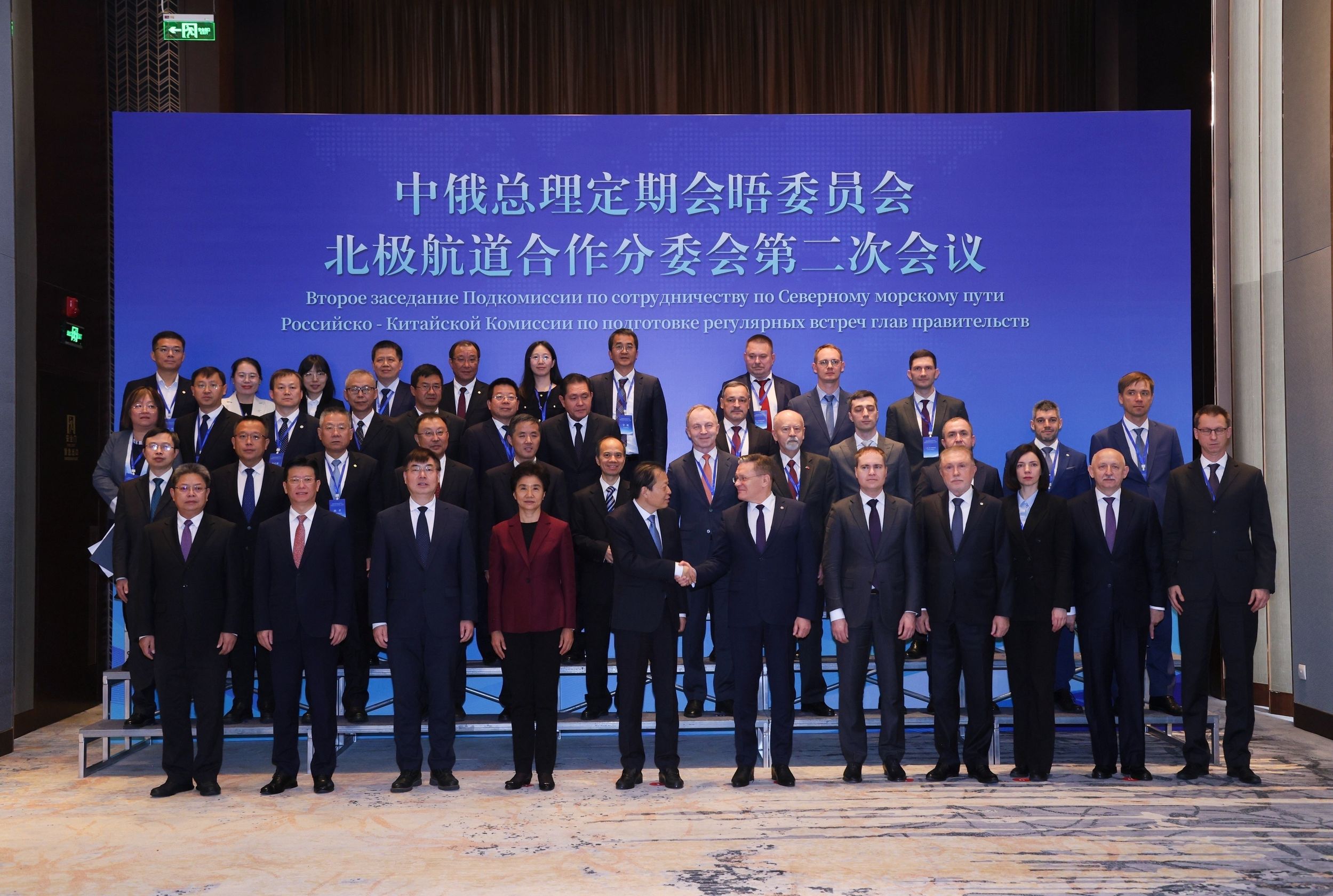
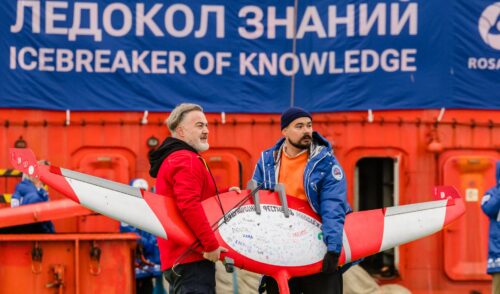
Business cooperation between Rosatom and China was developing across several areas simultaneously. One of the key areas involved intensifying joint work on the Northern Sea Route (NSR). At the second meeting of the NSR Cooperation Subcommittee of the Russia-China Commission for the Preparation of Regular Meetings between the Heads of Government, the parties approved an action plan for the further development of NSR shipping between the two countries. The plan provides for the deployment of advanced logistics solutions and technologies to enhance transportation efficiency and develop capital projects.
Rosatom demonstrated its flagship products in nuclear energy, nuclear medicine, and logistics at two major industry events: the 4th International Nuclear Energy Industry Innovation Expo held in Shenzhen in November, and the 16th China International Nuclear Power Industry Exhibition (CIENPI 2025) held in Beijing in April.
“We are working with China in a field whose primacy and significance are undeniable because much of the modern world would simply be impossible without energy. It is all the more important in such a field to plan and build long-term partnerships, which, with mutual respect and trust, eventually grow into a strong friendship,” commented Alexey Bannik, Vice President for Chinese and Advanced Projects at AtomStroyExport.
Additionally, the Russian Atom Museum, built with Rosatom’s support, took part in the China International Tourism Industry Expo (CITIE 2025) held from September 12 to 14 in Guangzhou. Featured under the Discover Russia national tourism brand, the Atom Museum presented science tourism as a new travel format.
Traditional cooperation in nuclear energy also continued. In August, Saint Petersburg hosted the 29th Meeting of Russia-China Nuclear Sub-commission of the Commission for the Preparation of Regular Meetings between the Heads of Government.
The parties discussed the implementation of current projects and collaboration prospects. The meeting was held in an atmosphere of mutual trust, which is typical of the dialogue between Rosatom and the China Atomic Energy Authority (CAEA), and was business-like and very substantive. A protocol was signed following the meeting.
Also in 2025, Rosatom and the China National Nuclear Corporation (CNNC) signed a Memorandum of Understanding (MoU) on the development of mutually beneficial cooperation.
The agreement provides for the launch of joint projects and initiatives; coordination of activities in developing a human-centric approach to personnel training and development; and cooperation between youth and women’s industry communities of the two countries.
Construction at full speed
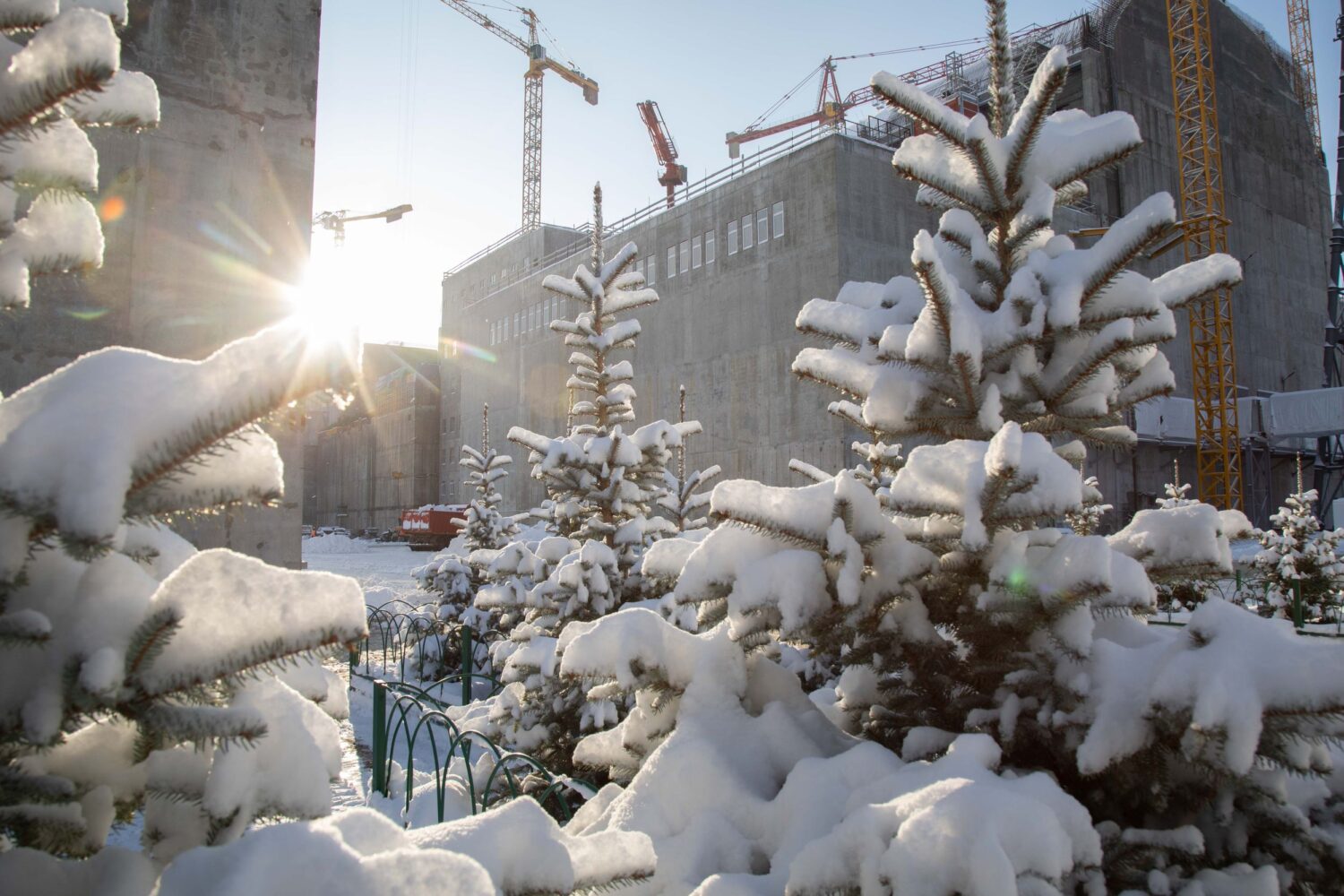
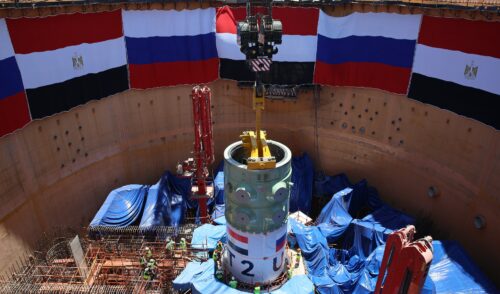
Construction of Tianwan Units 7 and 8 and Xudabao Units 3 and 4 in China is continuing with Rosatom’s involvement. Russia is in charge of the nuclear island design and key equipment supplies for these units.
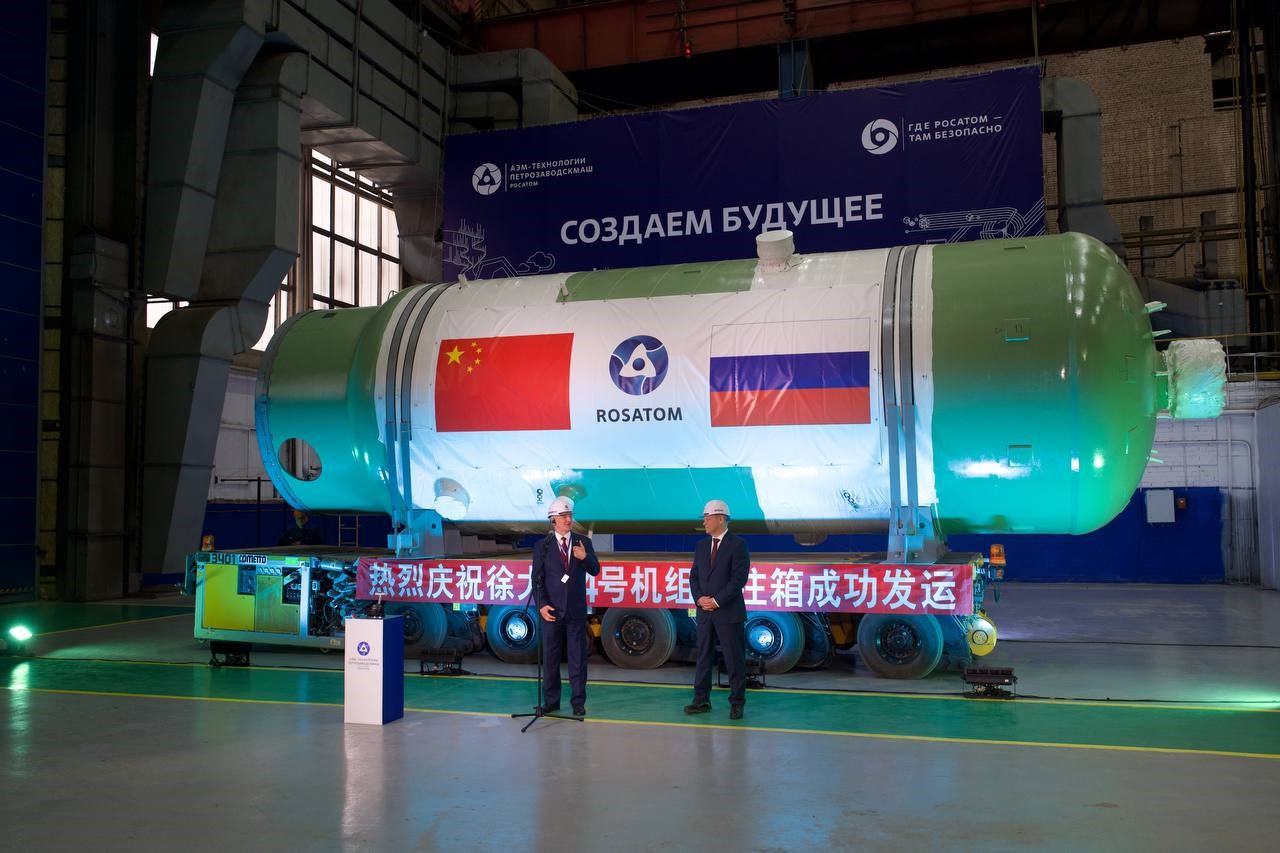
In June, PetrozavodskMash (part of Rosatom’s Mechanical Engineering Division) shipped an emergency core cooling system (ECCS) tank to Xudabao Unit 4. The system is designed to automatically supply coolant to the reactor, which may be required in case of a pressure drop in the primary circuit.
Also last year, Rosatom manufactured and shipped primary coolant pump casings for Xudabao Unit 4 and four pumps for Tianwan Unit 7.
Along with supplying equipment, Russia provides full engineering support for the Tianwan NPP project. In September, a critical operation—the welding of the primary coolant pipeline—was completed ahead of schedule at Unit 8 under the supervision of CNIITMASH engineers. Simultaneously, cold and hot functional tests on the reactor began at Unit 7, marking the transition to the commissioning stage.
Rosatom will also provide technical support for training simulators at the Tianwan NPP. An agreement to this effect was signed with CNNC in September. The agreement focuses on the technical support and maintenance of Russian-made full-scale simulators for the staff of the operating Tianwan power units (Units 1–4). They are necessary for comprehensive operator training, which will enhance the reliability and safety of plant operation.
Photo by: JSC SSC RIAR, Petrozavodskmash Machine-Building Plant, Ministry of Transport of the PRC