Rosatom trains professionals from around the world, and many of them will work in the nuclear sector. From 2019 to 2024, over 1,900 people from more than 60 countries completed training under international programs alone. These programs are run by Rosatom’s Technical Academy (Rosatom Tech) in collaboration with the IAEA, but Rosatom Tech organizes its own courses, too. Maria Khaletskaya, Vice Rector of Rosatom Tech, shares more details.
— Could you please tell us about Rosatom Tech’s collaboration with the IAEA?
— We have been actively working with the IAEA since 2011 when we started hosting training sessions focused on nuclear infrastructure. In 2018, Rosatom Tech, the IAEA, and Rosatom’s Emergency Response Center signed a cooperation agreement to strengthen competencies in nuclear safety, radiation protection, and emergency response. As part of that agreement, we launched a joint Competency Development Center.
In 2019, we became the first and still the only IAEA Collaborating Centre that offers training to global nuclear professionals across three areas: nuclear energy, nuclear security, and non-power applications of nuclear energy. In October 2024, Rosatom Tech had its status as a Collaborating Centre extended, while expanding partnership with the IAEA.
Every year, Rosatom Tech and the IAEA organize Schools of Nuclear Energy Management and Nuclear Knowledge Management. We also provide training as part of INT2024, an IAEA project focused on nuclear infrastructure development, and INT2023, which supports the advancement of small modular reactor (SMR) technologies.
— Where do the participants come from?
— From all over the world, especially from Asia, Africa, and the Middle East. Participants from Cuba and Kuwait joined us for the first time in 2024, followed by Myanmar in 2025. This country is planning to build four Russian-designed small modular reactors. The largest groups typically come from the countries where Rosatom is constructing large nuclear power plants. These are Egypt, Turkey, Bangladesh, and Belarus.
— What kinds of training programs are offered?
— Our programs fall into four main categories. First, we organize schools that give attendees a broad overview of the nuclear industry, including governance models, infrastructure, and human resource development. These are best suited for young professionals and early- to mid-career managers who want to build a strategic perspective of the nuclear sector.
The second category includes more focused courses that address practical topics and reinforce essential knowledge, though they do not go too deep into the technical side. These courses are accessible to a wide range of attendees from different backgrounds.
The third category comprises practice-oriented workshops for seasoned professionals who are looking to dive deeper into a specific subject area. These programs often feature real-world case studies and encourage the exchange of hands-on experience among peers.
And finally, there are scientific visits, which are designed for advanced audiences and customized to meet the particular needs of the participating countries.
What makes all our programs stand out is the inclusion of technical site tours to nuclear facilities relevant to the program topic.
— What courses are happening this year?
— This year, we are offering a diverse mix of training programs that cover everything from site selection for nuclear facilities and feasibility studies for small modular reactors to knowledge management, stakeholder relations, closed nuclear fuel cycle, radioactive waste management, strategic decision-making, and digital solutions for Generation IV reactor technologies.
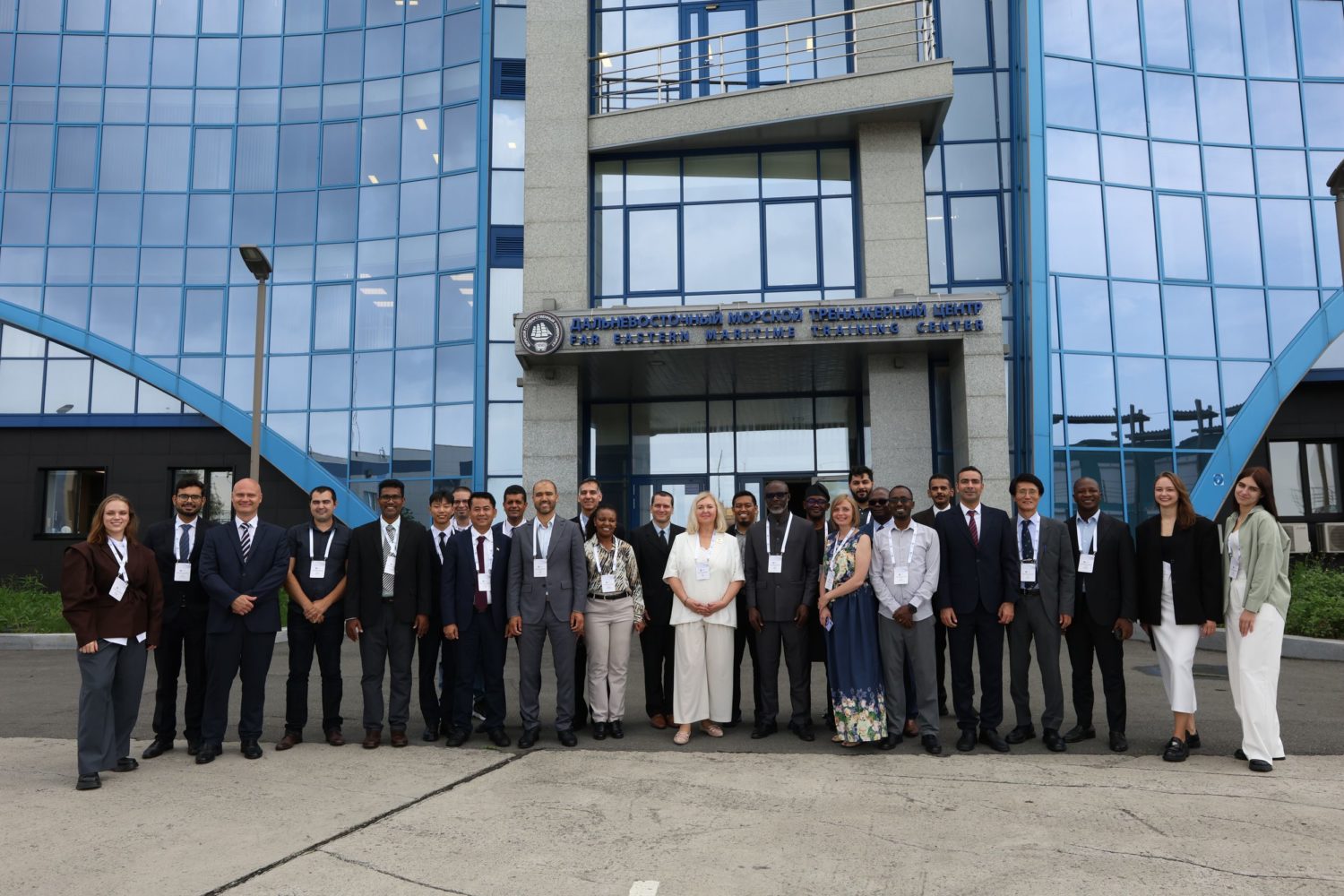
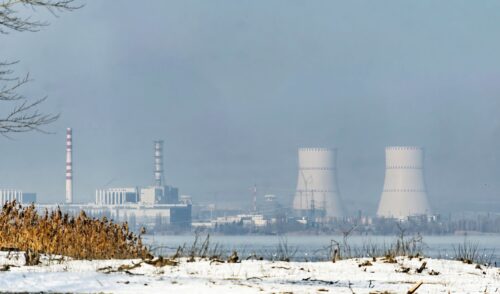
As an example, this May we hosted a course dedicated to the site selection process for nuclear power plants, including SMRs. The course brought together more than 20 attendees from 18 different countries, among them Armenia, Brazil, Kazakhstan, Sri Lanka, and Zambia. IAEA experts spoke about the support for the construction of nuclear power plants and shared experience from the Member States, while attendees shared insights from their domestic nuclear programs, highlighting the obstacles they faced and how they addressed them. As part of the course, they also visited the Kalinin Nuclear Power Plant.
— Are the courses held in person?
— Mostly, yes. But when needed, we do offer remote or hybrid formats via videoconference.
— How can someone apply?
— Only through InTouch+, the IAEA’s official platform. Rosatom Tech and the IAEA coordinate everything: topics, dates, formats, curricula, and instructors, ensuring the courses deliver real-world expertise.
— Do the courses end with an exam?
— Our joint programs with the IAEA do not have final exams. Participants receive a certificate of completion after the course.
— Rosatom Tech also runs its own training programs. What are those about?
— Our Nuclear Education Transfer project office runs short-term Train-the-Trainer courses designed for university professors and postgraduate students from abroad. We share both technical knowledge and teaching methodology, helping foreign universities build their own nuclear education programs.
— What topics do these courses cover?
— They focus on Rosatom’s key export technologies, including large VVER-1200 reactors and RITM-200 small modular reactors, plus non-power applications of nuclear energy like nuclear medicine, multi-purpose irradiation centers, research reactors, and cyclotrons. In recent years, we have added training on nuclear infrastructure. In addition, we have successfully piloted courses on radioactive waste disposal facilities and strategic energy planning for newcomer countries. Looking ahead, we plan to expand into renewable energy technologies and power supply scenario modeling, and develop a new course on nuclear energy program implementing organization (NEPIO).
Train-the-Trainer courses are offered in all formats: in-person, online, hybrid, and self-paced. This year, we have had participants from over 40 countries, including newcomers like Somalia and Malawi.
— Which topics are most in demand?
— Courses on research reactors, SMRs, and nuclear medicine consistently attract the most interest.
— How are the courses organized?
— Courses are typically held upon request from a sectoral customer. Enrollment usually opens 2–3 months in advance. Most courses last 1–2 weeks; more advanced programs may require entrance testing. At the end, there is a final assessment, with a chance to retake if needed.
Photo by: Rosatom Technical Academy