This year, the Russian floating nuclear power plant (FNPP)—the only operating facility of its kind in the world—celebrates five years since commissioning. It is equipped with two small modular reactors. Such reactors are one of the main trends in the energy sector, and Russia is a globally recognized leader in this field.
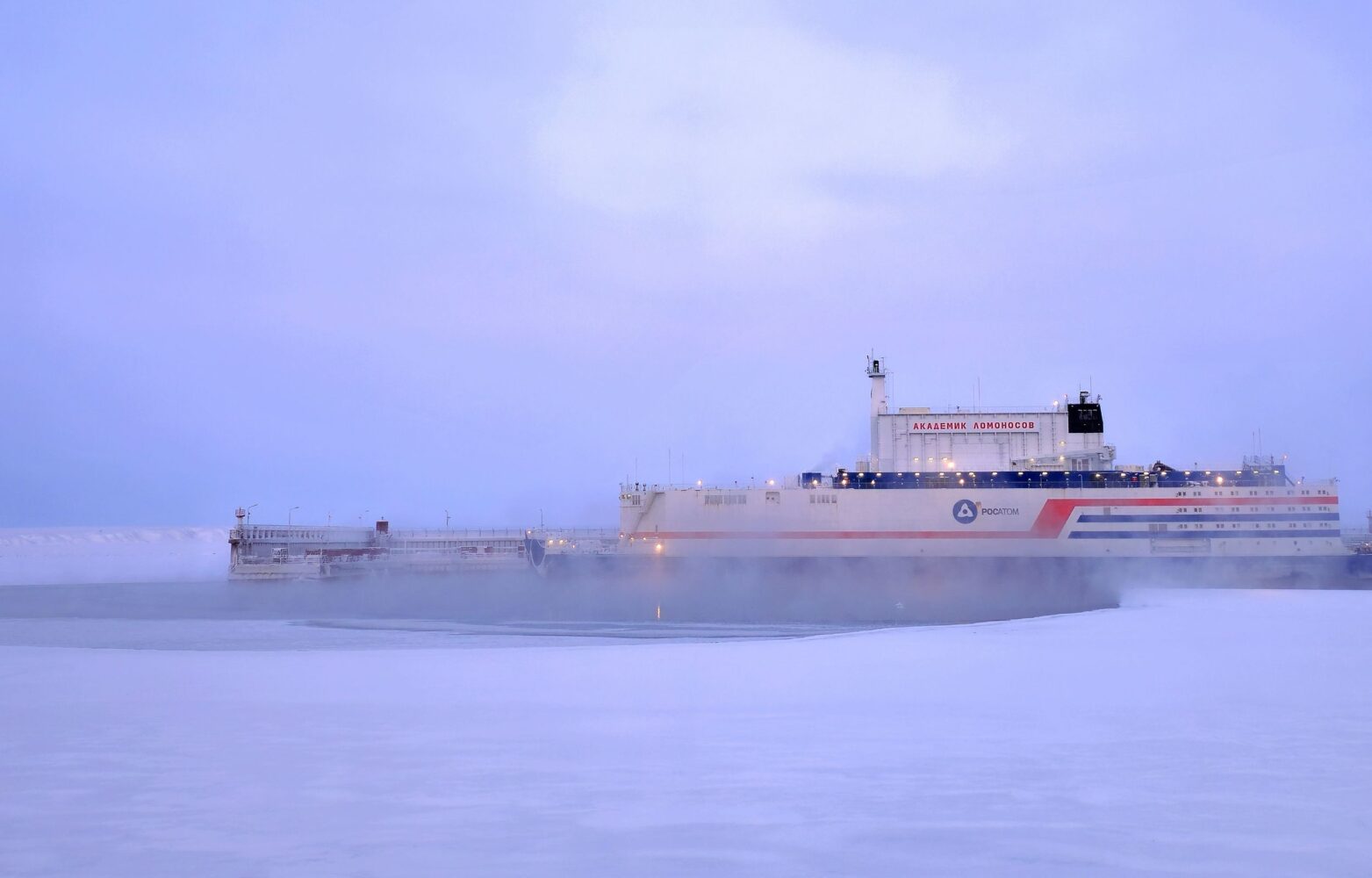
The world’s only floating nuclear co-generation plant, the FNPP is also the northernmost nuclear power station on our planet. It operates in Pevek, a city located beyond the Arctic Circle, in the zone of continuous permafrost. The station is intended to replace the retiring capacity of the Bilibino Nuclear Power Plant and the city’s outdated thermal power plant, as well as to supply power to local industrial sites.
The FNPP includes a floating power unit (FPU), Akademik Lomonosov, with two pressurized water reactors KLT-40S, which are modified marine reactors capable of generating up to 70 MW of electricity and 50 Gcal/h of thermal power. This is sufficient to provide power to a city with a population of 100,000. In January of this year, the FNPP generated its first billion kilowatt-hours of electricity. The FNPP also includes hydraulic structures and onshore infrastructure designed to deliver power from the FPU to consumers.
Over five years in operation, the FNPP has proved to be environmentally and radiologically safe. The surrounding area is monitored annually, showing an increase in the population of aquatic plants and animals (zooplankton and phytoplankton). Residents of Pevek note that the environmental situation in the city has improved greatly thanks to the nuclear generation facility. For example, snow used to be black due to emissions from the coal-fired thermal power plant; now it has become white.
The FNPP attracts global attention and is regularly visited by representatives of foreign media. Reporters from Indonesia have been there twice on press tours organized by Rosatom in 2024 and 2025.
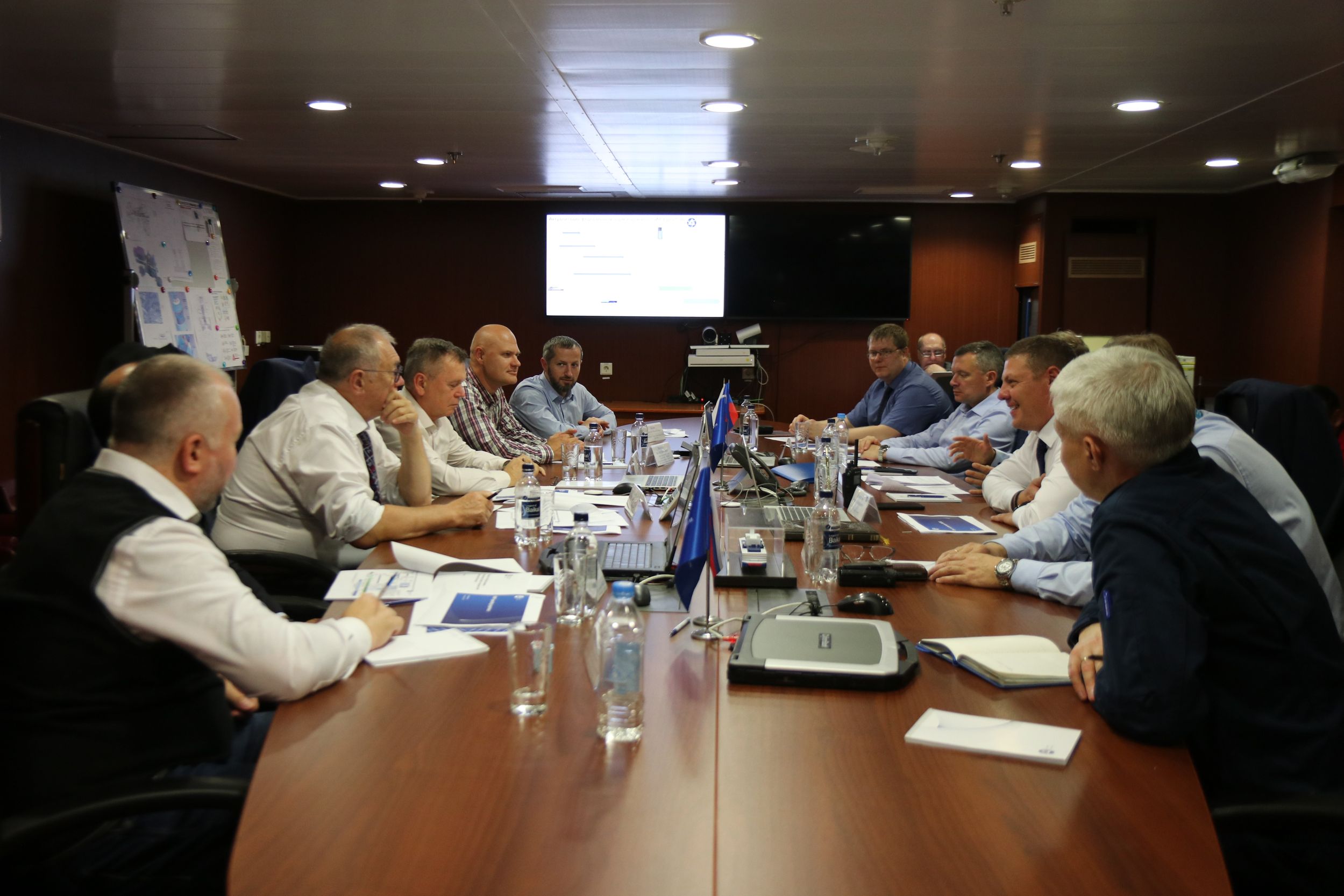
Tours to the FNPP are not the only source of information about Russian small-scale nuclear technologies for Indonesian representatives. This year, a student from Indonesia, Priya Wicaksono, was among the winners of the Icebreaker of Knowledge science and education initiative (for more details see other articles in this issue). He traveled to the North Pole aboard the 50 Let Pobedy nuclear icebreaker. Members of this expedition had a unique opportunity to learn about the design of icebreakers powered by small modular reactors.
“The voyage was amazing. I met different people and made many new friends. I also learned a lot about nuclear energy. I think floating nuclear power units could help improve poor access to electricity in Indonesia, as our country consists of thousands of islands,” said Priya Wicaksono. Symbolically, the nuclear icebreaker reached the top of the planet on the 80th anniversary of Indonesia’s Independence Day and simultaneously on Priya’s birthday.
International experts were also invited to participate in the expedition to deliver scientific lectures and workshops to children as part of the educational program. Indonesia was represented by Topan Setiadipura, Head of the Research Center for Nuclear Reactor Technology at the National Research and Innovation Agency (BRIN).
“Reaching the North Pole with Rosatom’s Icebreaker of Knowledge expedition was an impressive experience and filled me with optimism. Throughout the 8-day journey, we lived in close proximity to two nuclear reactors, and expedition members had no problems. This experience demonstrates the enormous potential of nuclear energy and its safety. We in Indonesia may not need to reach the North Pole or break through thick ice, but we do need such a powerful and reliable source of energy to support our economic development,” said Topan Setiadipura.
Advantages of small reactors
The successful operation of the FNPP is a clear example of how efficient and convenient small modular reactors (SMRs) are. According to the International Atomic Energy Agency (IAEA), small modular reactors are advanced nuclear reactors with an electrical power capacity of up to 300 MW per unit. Small modular reactors can be used both as part of floating power units (FPUs) and land-based small nuclear power plants (SNPPs).
SNPPs and FPUs have several important advantages over conventional nuclear generation facilities—they are almost totally prefabricated off-site, have a compact size, and are flexible in power output.
At the same time, both SNPPs and FPUs, like conventional nuclear power plants, produce no harmful emissions into the atmosphere, provide stable energy supply, and maintain a fixed electricity tariff throughout the plant’s operational life. Such power stations are independent of climate and season, making them ideal for integration with renewable energy sources like wind and solar.
Floating power units equipped with small modular reactors, thanks to their mobility, can be the best solution for Indonesia with its numerous islands. Such units can be delivered to almost any location accessible by ships. They need refueling as seldom as once every 7 to 10 years.
The advantages of such nuclear generation facilities were discussed, for example, at the 2023 IAEA International Symposium on the Deployment of Floating Nuclear Power Plants: Benefits and Challenges.
“Floating nuclear power plants do not compete with land-based SMRs but expand the opportunities and potential of this nuclear technology to achieve our net-zero goals,” said IAEA Deputy Director General Mikhail Chudakov at the symposium.
Also, the World Nuclear Association has recently released a report titled “Facilitating Global Deployment of Floating Nuclear Power Plants.” Prepared with input from Rosatom, it is dedicated to the potential and evolution of offshore nuclear generating facilities.
Expertise in place
Expertise in place
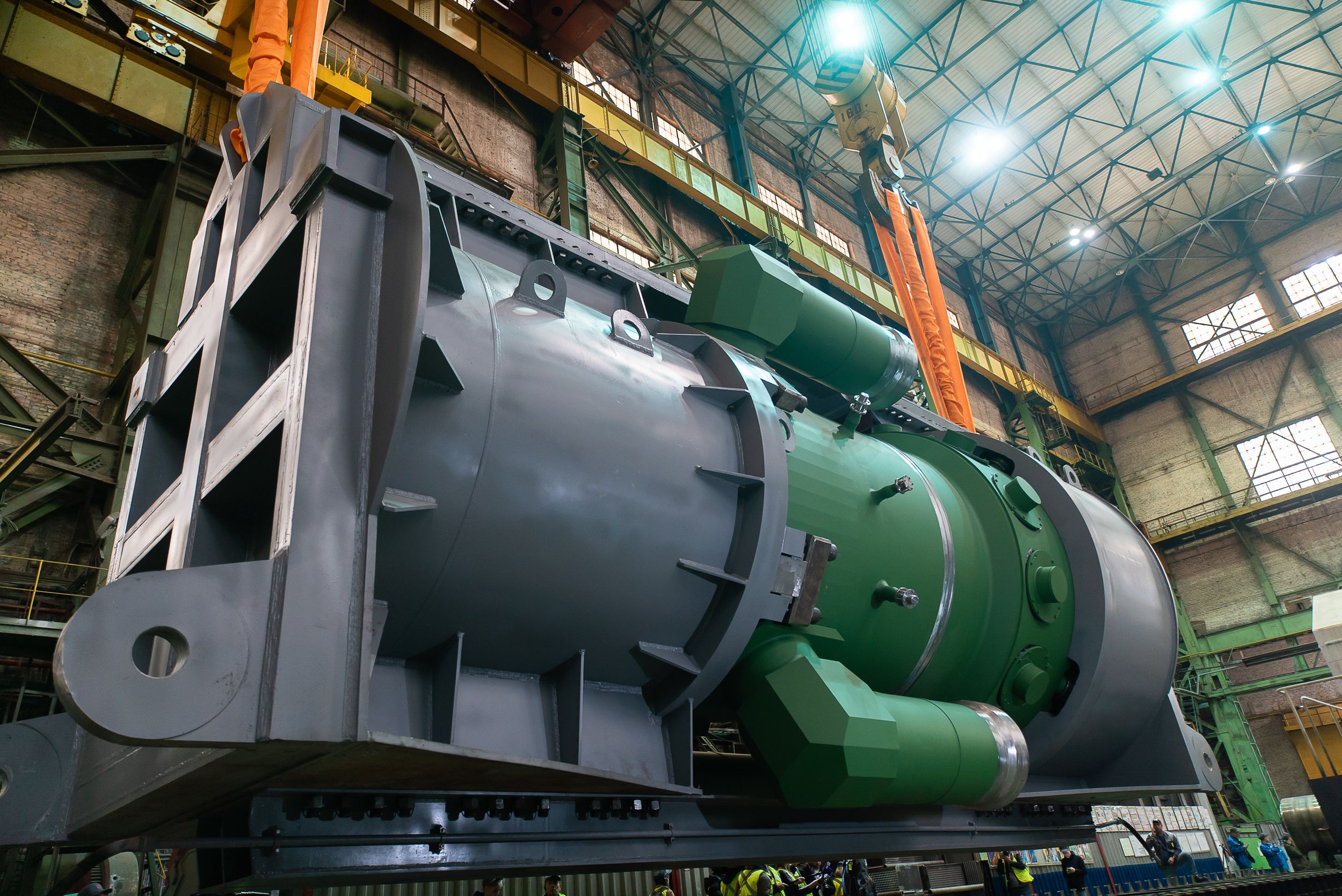
Many years of developing reactors for nuclear icebreakers underlie Rosatom’s unparalleled expertise in SMR technology. A logical continuation of this multi-year experience was the adaptation of marine reactors for small-scale power generation. For example, the FNPP is equipped with the same type of reactors as those installed on the icebreakers Taymyr and Vaygach.
The flagship of Rosatom’s SMR line is the RITM-200 reactor. Its design incorporates decades of operational experience with small reactors powering Russian nuclear icebreakers, exceeding 400 reactor-years. All the latest nuclear icebreakers of the Project 22220 series are equipped with reactors of this type. Their design has proven itself as highly efficient and safe at every stage of the lifecycle.
Various modifications allow the RITM reactor to be used in both land-based SNPPs and floating power units in different climates. A land-based small nuclear power plant with RITM-200N reactors is currently under construction in Yakutia, Russia.
In 2024, Russia and Uzbekistan made the world’s first export deal to build an SNPP, and its construction has already begun. In March 2025, Rosatom and Myanmar signed an intergovernmental agreement on the principles of cooperation in the construction of SNPPs.
Indonesia, like many ASEAN countries, has set a goal of achieving net-zero emissions by 2060. Achieving this without nuclear energy is almost impossible. For this reason, Indonesia has included nuclear generation in its national plans for the power sector development. The implementation of the Indonesian nuclear program provides for several capacity expansion stages. Rosatom, the current global leader in new nuclear capacity construction, is ready to expand cooperation with Indonesia and other Southeast Asian countries to deliver these plans. The Russian nuclear corporation can offer Indonesia its entire range of reactor technologies, both small modular reactors as part of land-based nuclear power plants or floating power units and large nuclear reactors, particularly its flagship VVER-1200.
Photo by: Rosenergoatom, “Strana Rosatom” Newspaper, FNPP