The reactor pressure vessel for El Dabaa Unit 1 has been delivered to the construction site in Egypt. The next step for the construction team will be to install it in its design position. Work is also progressing at full speed on the other three units. Here are the latest updates on the progress at El Dabaa and related business activities in the region.
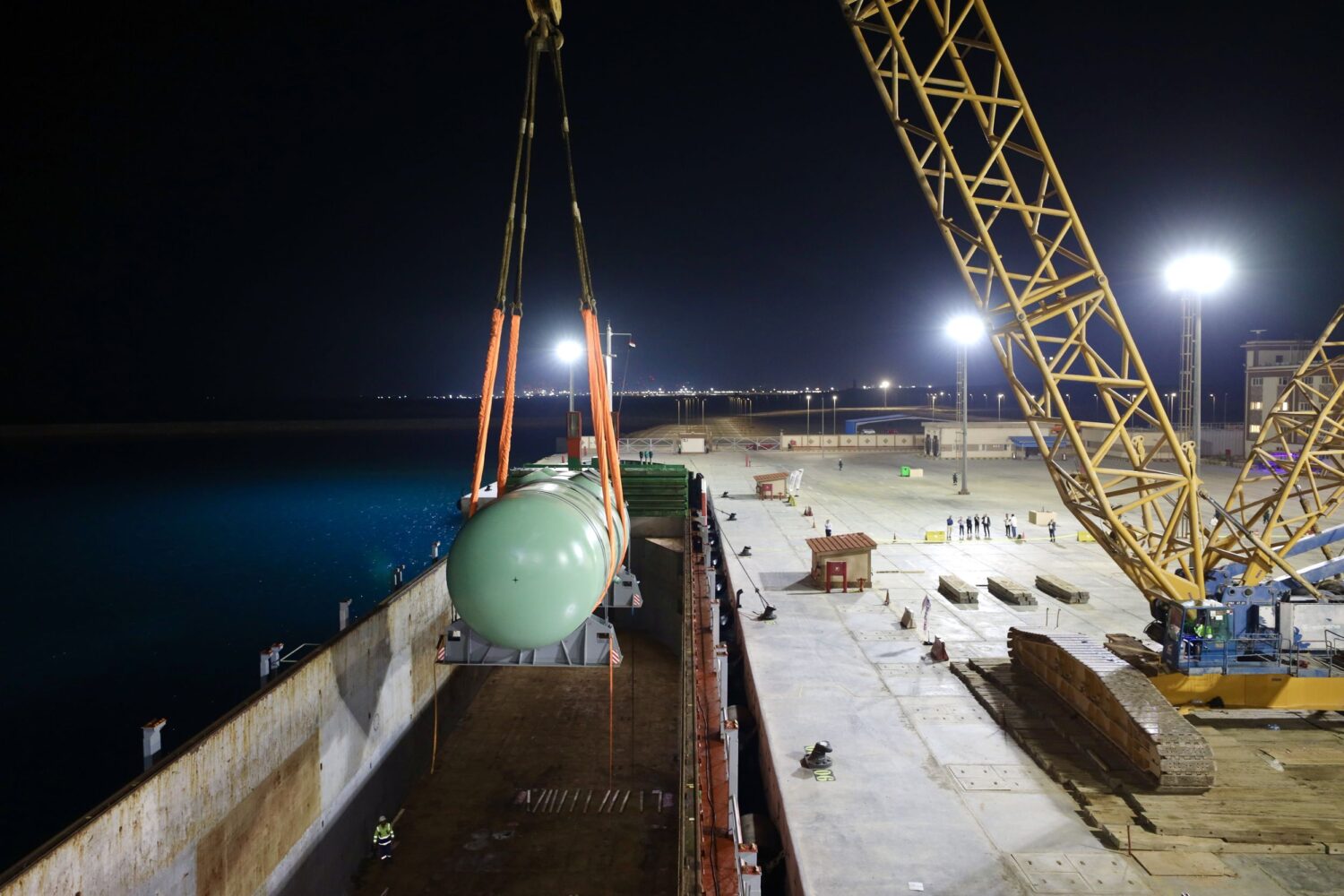
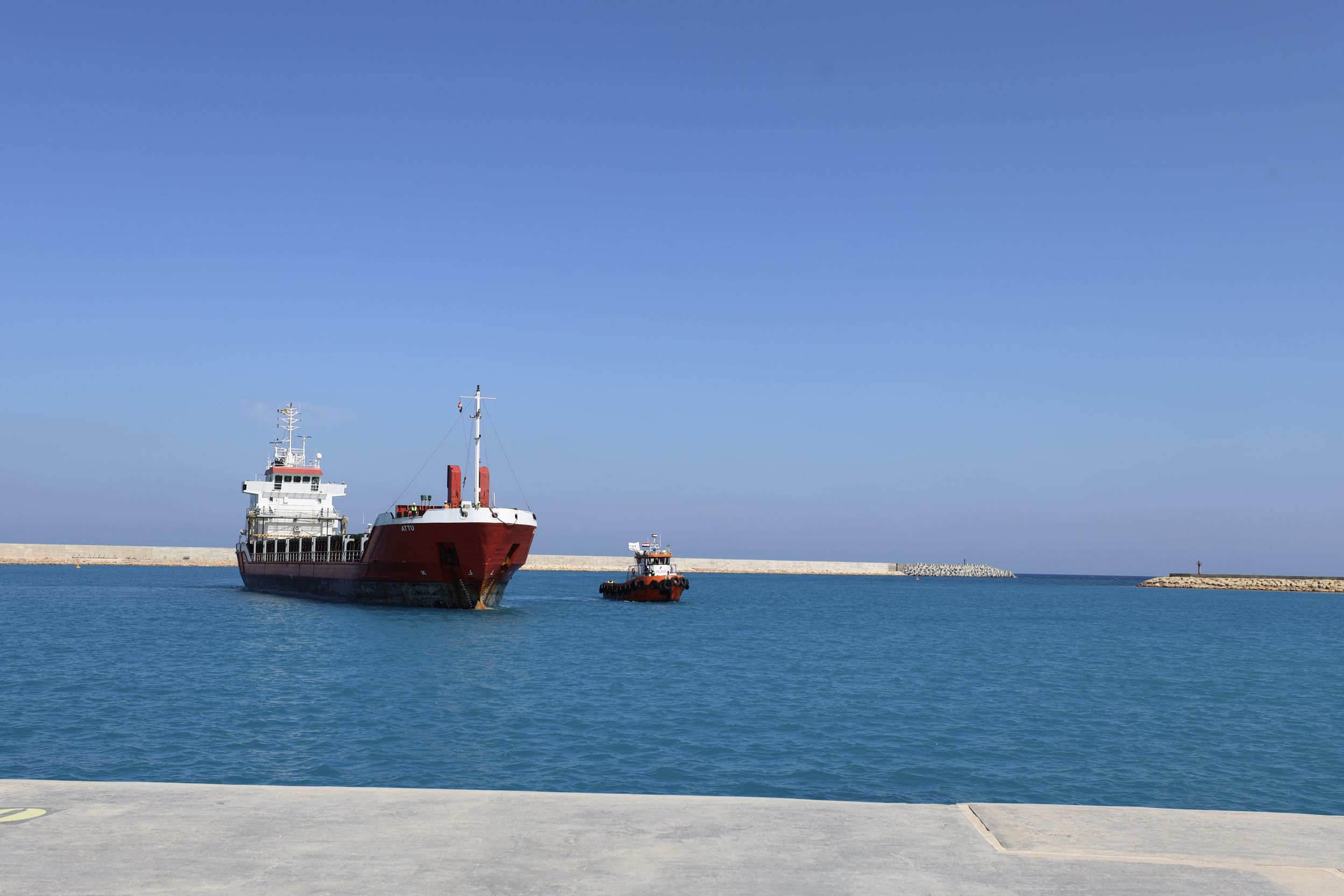
The reactor pressure vessel for Unit 1 of the El Dabaa Nuclear Power Plant was delivered to the Egyptian site in late October. Its sea voyage from Saint Petersburg, Russia, took 20 days.
The reactor vessel is a key component of the reactor unit, housing the core where the controlled nuclear fission chain reaction occurs. It is leak-tight, withstands high pressure and temperature, and guarantees the safety and reliability of the power unit. The vessel weighs more than 330 metric tonnes.
“We are about to pass this year’s major milestone as we are preparing to place the Unit 1 reactor vessel in the design position. The entire team is united by a common goal, mobilized, and focused on achieving this result,” said Alexey Kononenko, Vice President of AtomStroyExport and Director of El Dabaa Construction Project.
In mid-October, workers installed the retaining frame at the first unit of the nuclear power plant. This welded steel structure located in the reactor pit is designed to securely hold the reactor vessel. The retaining frame was delivered to the site in individual segments, including 48 beams, the outer shell, and circular flanges, which were then welded together into a single structure.
“The El Dabaa NPP construction project is of strategic importance for our country, and every successful step brings us closer to building an advanced facility that will contribute to Egypt’s sustainable development and energy security for decades to come,” said Dr. Sherif Helmy, Chairman of the Board of Directors of Egypt’s Nuclear Power Plants Authority.
The retaining frame is more than 6.7 meters in diameter and weighs over 28.7 metric tonnes. For the first time ever in the construction of a VVER-1200 power unit, the retaining frame was integrated into a pre-assembled rebar cage. This solution moved complex operations out of the primary installation area, enabling continuous installation of the molten core catcher and other components of the reactor unit while adhering to safety, quality, and time requirements.
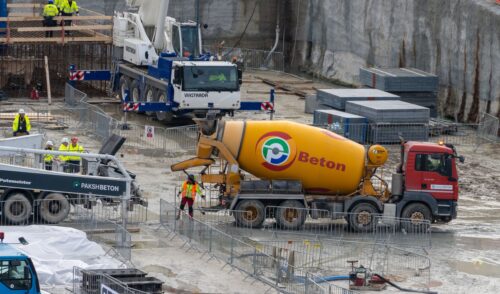
At El Dabaa Unit 2, workers finished concreting the third level of the inner containment shell in the reactor building. The process took approximately 24 hours.
In late October, construction crews poured concrete for the foundation slab of the nuclear service building with controlled access staff rooms at Unit 4. This is one of the key infrastructural buildings ensuring safe work of the personnel in radiation-protected environments. Workers finished concreting operations two months ahead of schedule by applying the best practices accumulated during the construction of the three previous power units.
Business activity
Egypt is not the only country in the region to be among Rosatom’s partners. In early November, the Russian nuclear corporation and the Algerian Atomic Energy Commission (COMENA) held their second joint seminar in Algeria for key stakeholders and companies of the country’s healthcare sector. Speaking at the opening ceremony, Algerian Minister of Energy, Mines and Renewable Energy, Mohamed Arkab, highlighted the historically strong ties between Russia and Algeria. He stated that the Algerian government was placing particular emphasis on the fight against cancer and the development of nuclear medicine. The Minister expressed hope that the experience accumulated by Rosatom in this field would benefit Algeria.
Rosatom experts presented a wide range of nuclear medicine solutions offered by the Russian nuclear corporation. The offering includes the production and supply of medical isotopes, radiopharmaceuticals, diagnostic and therapeutic equipment, as well as construction of medical infrastructure and multi-purpose irradiation centers for medical and food products. Furthermore, Rosatom manufactures and supplies products for prosthetics, offers additive technology solutions for implantology and prosthetics, and provides services for inbound medical tourism.
“Rosatom offers not just a product, but an entire ecosystem. This includes infrastructure development, personnel training, research, and assistance in developing science and education. We are ready to expand cooperation with our Algerian partners to make these solutions available in your country,” said Igor Palamarchuk, Deputy Director General for the Middle East and North Africa at Rosatom.
Photo by: ASE JSC, Rosatom International Network