Following the issuance of official licenses for the construction of the Paks II NPP, active preparations began for the first concrete pouring scheduled for early 2026. This article will update you on the on-site progress and the development of multifaceted cooperation between Hungary and Rosatom, including the participation of Hungarians in the educational initiatives of the Russian nuclear corporation and a Hungarian team’s victory in Rosatom’s fishing tournament.
The Hungarian Atomic Energy Authority has issued permits allowing for the first concrete pouring for the foundation of Paks Unit 5. According to the schedule, this should take place 80 days after the licenses are issued. Thus, first concrete is expected to be poured in early February 2026.
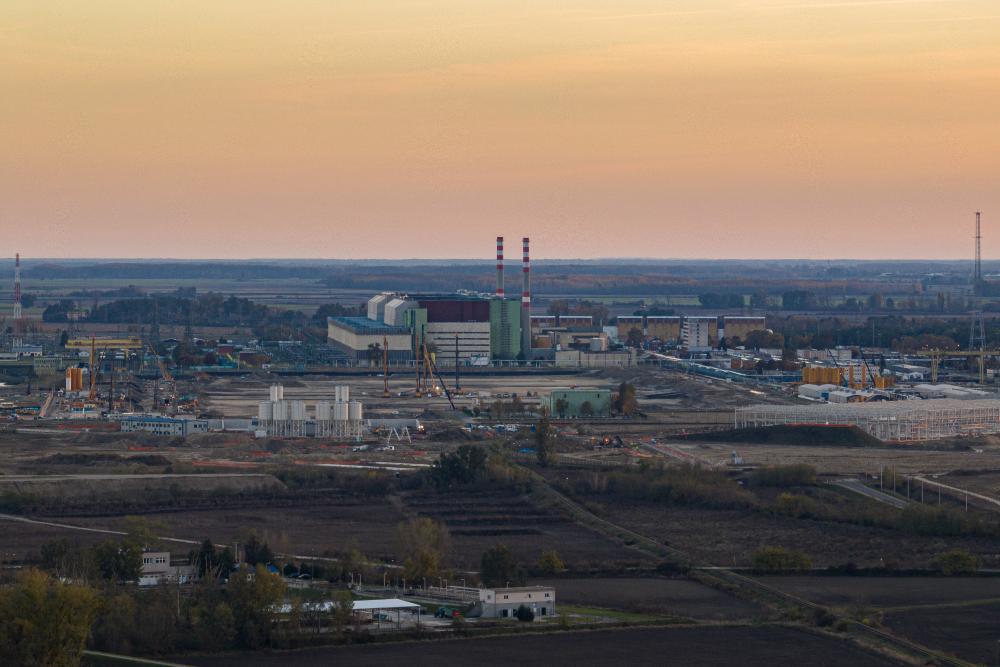
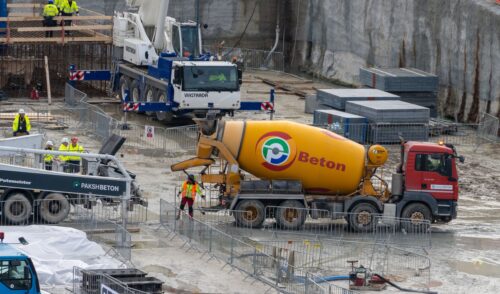
Following the issuance of licenses, full-scale preparations for the first concrete pouring continued at the construction site. Hungarian subcontractor Bayer Construct has started placing a bottom layer of concrete in the Unit 5 excavation pit. This will be used to mount steel reinforcement for the 3-meter-thick reinforced concrete foundation slab. Concrete for all on-site works is produced by a batching plant located on the construction site. Meanwhile, the project’s general contractor, AtomStroyExport, is preparing additional design documents related to the construction of the foundation slab and nuclear island buildings.
The Paks II NPP project is not subject to EU or US sanctions, with no political or other measures hindering its progress. It enjoys the full support of the top leadership of both Hungary and Russia, which is a prerequisite for the project’s successful implementation.
Global Atomic Quiz 2025
Rosatom held its sixth international Global Atomic Quiz, bringing together 46,000 contestants from 106 countries, including Hungary. The quiz included online activities and in-person events at international venues ranging from nuclear technology information centers to schools and universities across many countries.
Held in the year of the 80th anniversary of the Russian nuclear industry, the quiz was dedicated to the past, present, and future of nuclear technologies. Its questions covered a wide range of topics, from the history of the nuclear industry to advanced technologies and nuclear energy prospects. Contestants had an opportunity to learn how nuclear technologies can be applied across different human activities.
The winners received valuable subscriptions and certificates for digital products while the top three contestants were awarded a special prize, a trip to Russia.
Hungarian team tops fishing tournament
A team from Hungary won the third international fishing tournament organized by Rosatom. Teams from Indonesia and Egypt took second and third places, respectively. The competition was held for the first time in Turkey, near the Akkuyu NPP construction site.
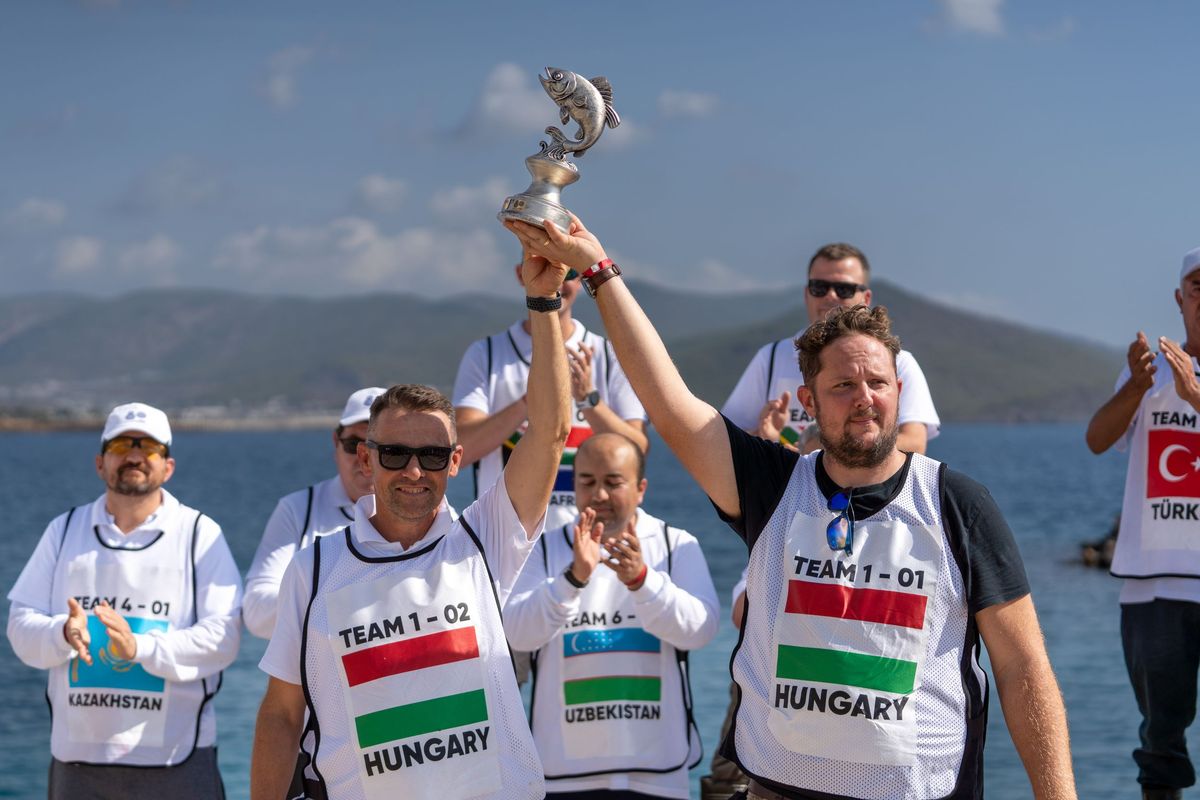
“This tournament is something I will remember for the rest of my life. I am happy to be the winner and grateful to Rosatom for organizing this wonderful event. It was also a pleasure to see how the Akkuyu NPP host region is living and developing,” commented Hungarian team angler László Kern.
The tournament featured 14 amateur anglers as well as reporters and expert community representatives from seven of Rosatom’s partner countries. When weighing the catch, radiation control experts from Akkuyu Nuclear JSC checked the caught fish for radiation and confirmed its safety.
“This international fishing tournament is an opportunity for us to demonstrate our careful attitude towards nature when building large nuclear energy facilities. It is important that representatives of partner countries see with their own eyes our responsible approach to preserving the ecosystems. The tournament also shows that the infrastructure surrounding a nuclear power station transforms the region into a comfortable place for living, recreation, and tourism, creating new opportunities for several generations of local residents,” noted Alexandra Yustus, Deputy CEO for Communications at Rosatom International Network.
Photo by: Paks II NPP, Moscow Polytechnic University, Akkuyu Nuclear JSC