Rosatom holds a leading position in the Russian additive manufacturing market and is developing this sector together with international partners, offering 3D printing solutions, materials, and methodologies for integrating additive technologies into production practices. We have frequently written about how the Russian nuclear corporation is advancing additive technologies. Today, we invite you to test your knowledge in this field.
- What does the term “additive technologies” mean?
a) Technologies for removing material to make parts
b) Technologies for the layer-by-layer building and synthesis of objects
c) Metal forming technologies
d) Mass casting technologies
e) Chemical surface treatment technologies
- Which additive manufacturing method is primarily used by Rosatom to produce metal parts for the nuclear industry?
a) Fused deposition modeling (FDM)
b) Stereolithography (SLA)
c) Selective laser melting (SLM)
d) Material jetting
e) Binder jetting
- Which advantage of additive technologies is particularly important for the nuclear industry?
a) The possibility of using household 3D printers
b) Manufacturing parts with optimized geometry (lattice structures, internal cooling channels)
c) No need for design
d) Minimal material costs
e) Speed of printing any part in a matter of minutes
- Which material is NOT used in additive manufacturing by Rosatom?
a) Stainless steel
b) Nickel alloy
c) Titanium alloy
d) Sand polymer composites
e) Heat-resistant alloy
- Which non-destructive testing (NDT) methods are used to verify the quality of Rosatom’s SLM products?
a) Visual inspection
b) Magnetic particle inspection
c) Computed tomography (CT)
d) Dye penetrant inspection
e) Eddy current testing
f) All of the above
- What does the term “digital twin” mean in the context of Rosatom’s additive manufacturing?
a) A graphic copy of a physical object in virtual reality
b) A virtual model of the product with a full set of parameters used to simulate and optimize the printing process
c) A digital certificate of equipment
d) A database of defects
e) A 3D printer control program
- What principle underlies the certification of parts manufactured by additive technologies at Rosatom?
a) Trust in the manufacturer without testing
b) Visual inspection without measurements
c) Comprehensive testing (mechanical tests, NDT, microstructural analysis) to confirm compliance with safety standards
d) Reliance on computer modeling only
e) Use of methodologies from the 1970s
- Where was the first Rosatom-supported Additive Technologies Center opened outside Russia?
a) In Türkiye
b) In Egypt
c) In Belarus
d) In Uzbekistan
e) In Kyrgyzstan
- What is the social impact of developing additive technologies at Rosatom?
a) Reduction of industrial jobs
b) Creation of high-tech jobs and staff upskilling
c) Lowering educational requirements for engineers
d) Transition to remote work
e) Elimination of engineering professions
- In which organizations does Rosatom establish Additive Technologies Centers?
a) Kindergartens
b) Schools
c) Higher education institutions
d) Enterprises
e) All of the above
Correct answers:
1. Additive technologies are technologies for the layer-by-layer creation and synthesis of objects. The term comes from the Latin additivus, meaning “added” and cognate with the English add.
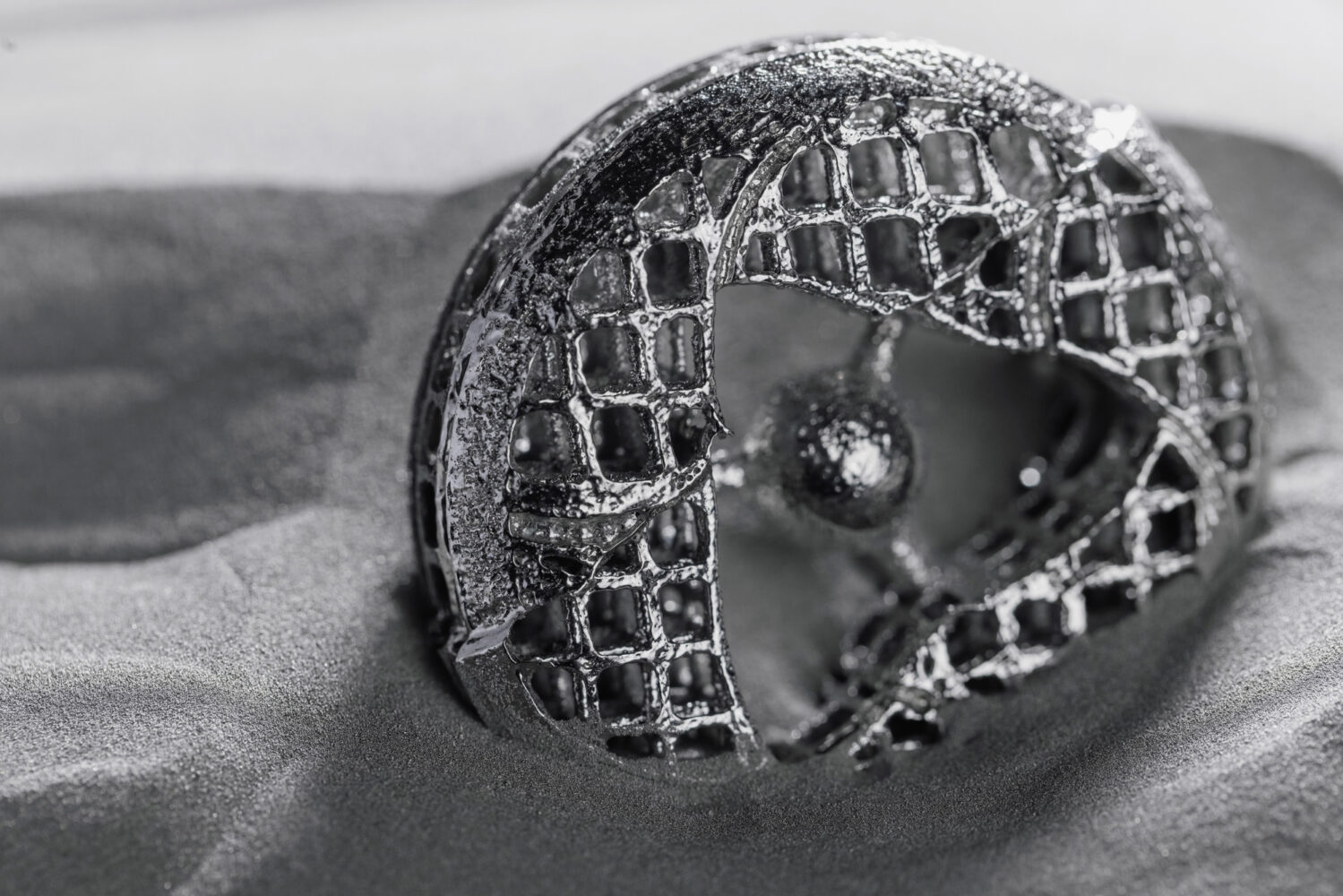
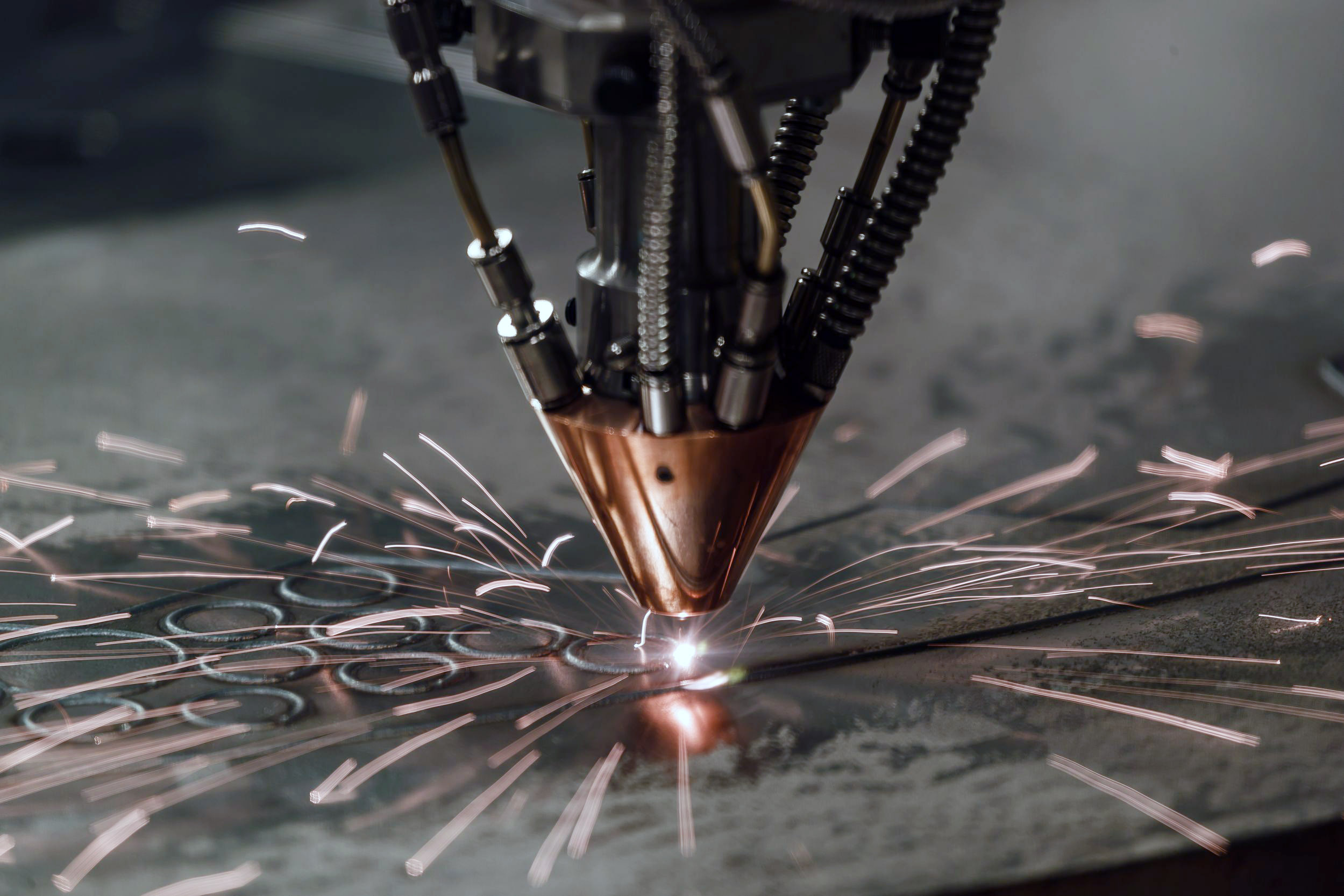
2. For manufacturing high-load metal parts for nuclear power equipment, Rosatom uses the Selective Laser Melting (SLM) method. SLM technology allows for the production of dense metal products with specified mechanical properties, which is critical for the nuclear industry.
3. The manufacturing of parts with optimized geometry (lattice structures, internal cooling channels) is particularly important for the nuclear industry. It allows for improved thermal characteristics and reduced weight of components without loss of strength.
4. Rosatom does not use sand polymer composites in additive manufacturing. Sand polymer composites are used to make molds for foundry production.
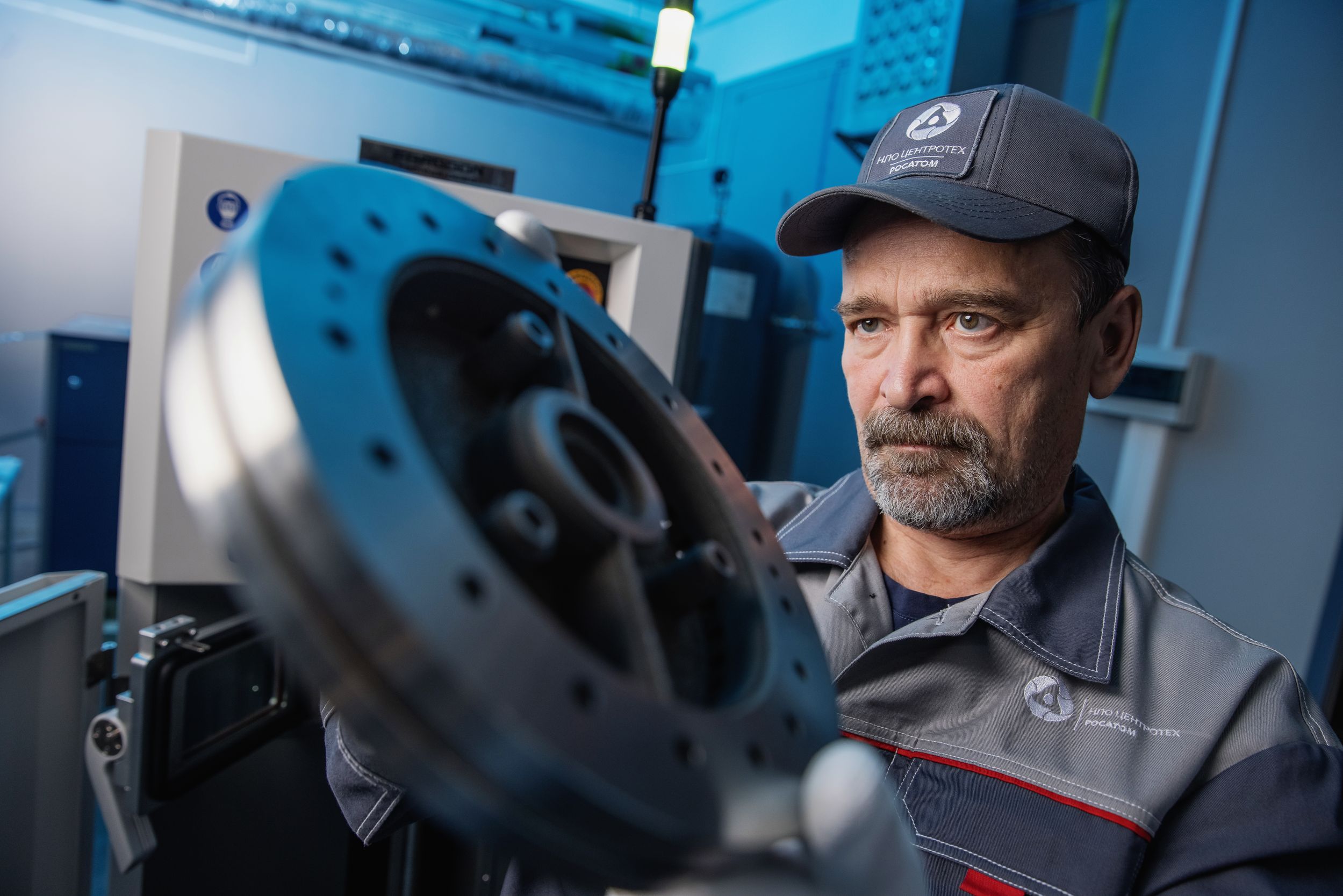
5. To verify the quality of SLM products, Rosatom uses the full range of non-destructive testing methods.
6. A “digital twin” in the context of Rosatom’s additive manufacturing is a virtual model of the product with a full set of parameters used to simulate and optimize the printing process. A digital twin allows for predicting material behavior and preventing defects prior to physical manufacturing.
7. The parts manufactured by additive technologies at Rosatom are certified based on comprehensive testing (mechanical tests, non-destructive testing, microstructural analysis). Products used in the nuclear industry must comply with safety standards established by the regulator (Rostechnadzor).
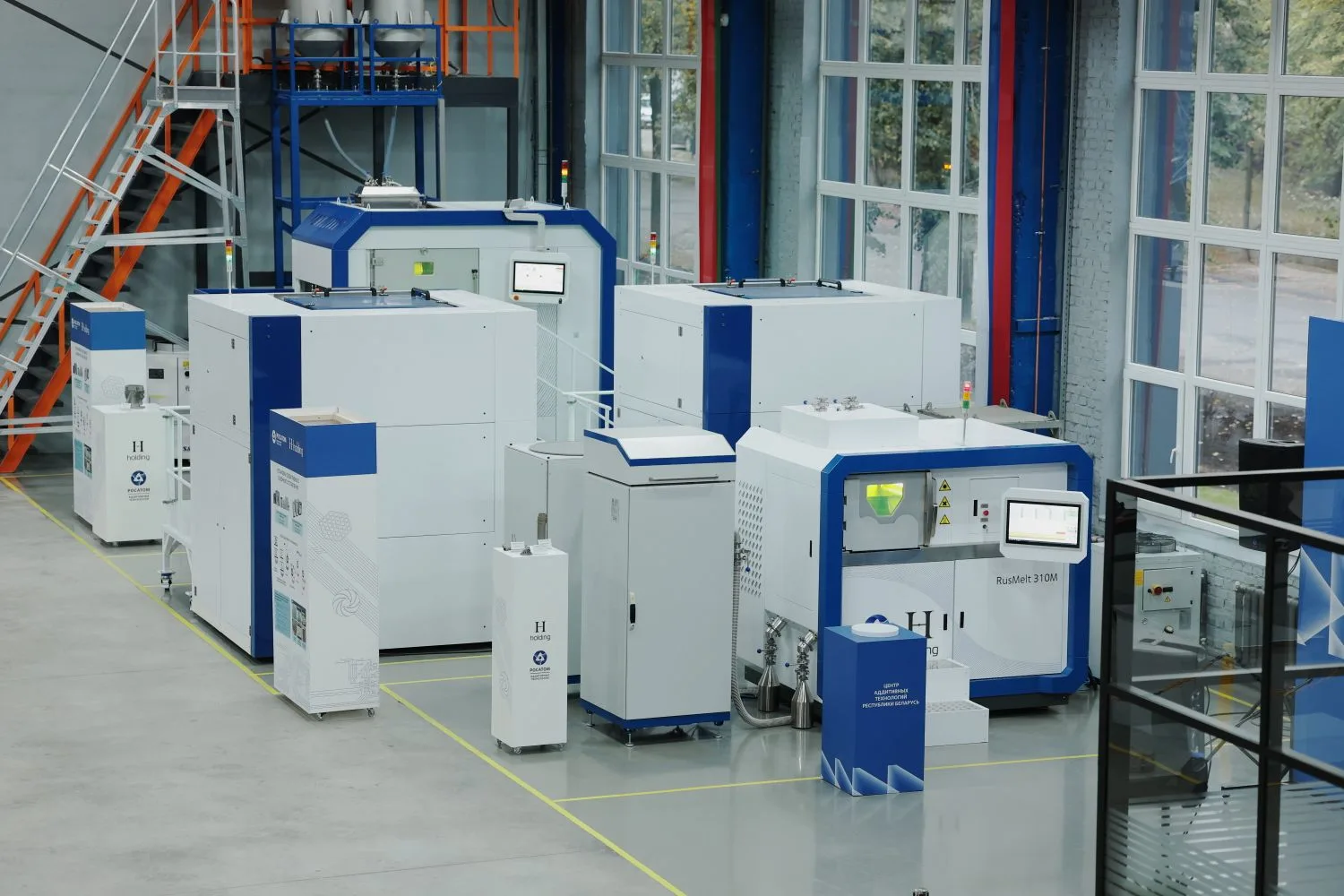
8. The first Rosatom-supported Additive Technologies Center outside Russia was opened in Belarus.
9. The development of additive technologies at Rosatom leads to the creation of high-tech jobs and staff upskilling. Introduction of 3D printing solutions requires training professionals in digital engineering and materials science.
10. Rosatom establishes Additive Technologies Centers in kindergartens, schools, universities, and enterprises. Their primary purpose is to introduce aspiring and seasoned professionals to additive technologies as early, fully, and deeply as possible.
Photo by: TVEL JSC (Fuel Company), the newspaper “Strana Rosatom”