In August 2025, Russian nuclear industry is celebrating its 80th anniversary. It was August 20, 1945 when a decree was signed establishing a Special Committee under the USSR State Defense Committee, tasked with overseeing all efforts to harness the energy of uranium fission. This date marks the beginning of the Soviet atomic project. Today’s generation of Russian nuclear professionals continues the legacy of their great predecessors, unlocking new possibilities in nuclear technology.
The nation’s top mathematicians, physicists, chemists, and engineers pioneered nuclear power, an entirely new form of energy. In the late 1940s, physicist Igor Kurchatov, who led the atomic project, proposed building the world’s first power plant fueled by uranium fission. On June 26, 1954, the Obninsk Nuclear Power Plant, the world’s first operational nuclear power station, fed electricity into the grid. That same year, the USSR Council of Ministers approved a large-scale program to build nuclear power plants across the Soviet Union.
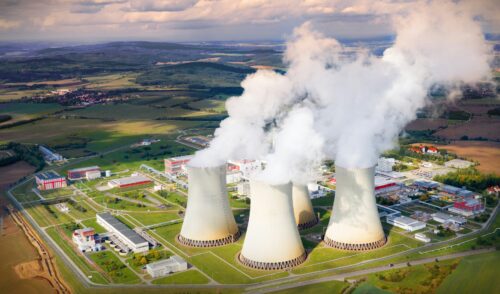
The Obninsk NPP also paved the way for the advancement of nuclear energy in other countries. Today, 416 nuclear power units with a combined capacity exceeding 376 GW are operating worldwide. In Russia, 36 power reactors with a total capacity of 26.8 GW generate reliable, clean nuclear power.
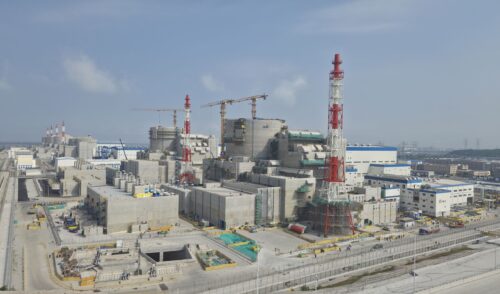
Russian nuclear experts continuously refine nuclear energy technologies, offering increasingly innovative solutions to international partners. For instance, various modifications of VVER reactors have become the most sought-after design in the global market for large nuclear power plants. Rosatom’s portfolio includes international orders for 33 high-power VVER reactor units across 10 countries.
Rosatom is also a leader in small modular reactor (SMR) technology. Russian nuclear engineers were the first — and so far, the only — to build a floating nuclear power plant, the Akademik Lomonosov. Four more floating power units with RITM-200 reactors are currently under construction to supply electricity to the Baimsky GOK mining site in Chukotka. The Russian nuclear corporation is discussing different floating power plant projects with international partners, while preparing to build a land-based SMR in Yakutia (Russia) and advancing the world’s first export project for a six-unit SMR plant in Uzbekistan.
Rosatom has proposed a concept for Generation IV reactor systems. The concept promises significant improvements in safety and efficiency while closing the nuclear fuel cycle by reprocessing spent fuel and reusing depleted uranium left over from enrichment. This approach maximizes the use of energy contained in natural uranium, reducing both the need for new mining and the volume of radioactive waste.
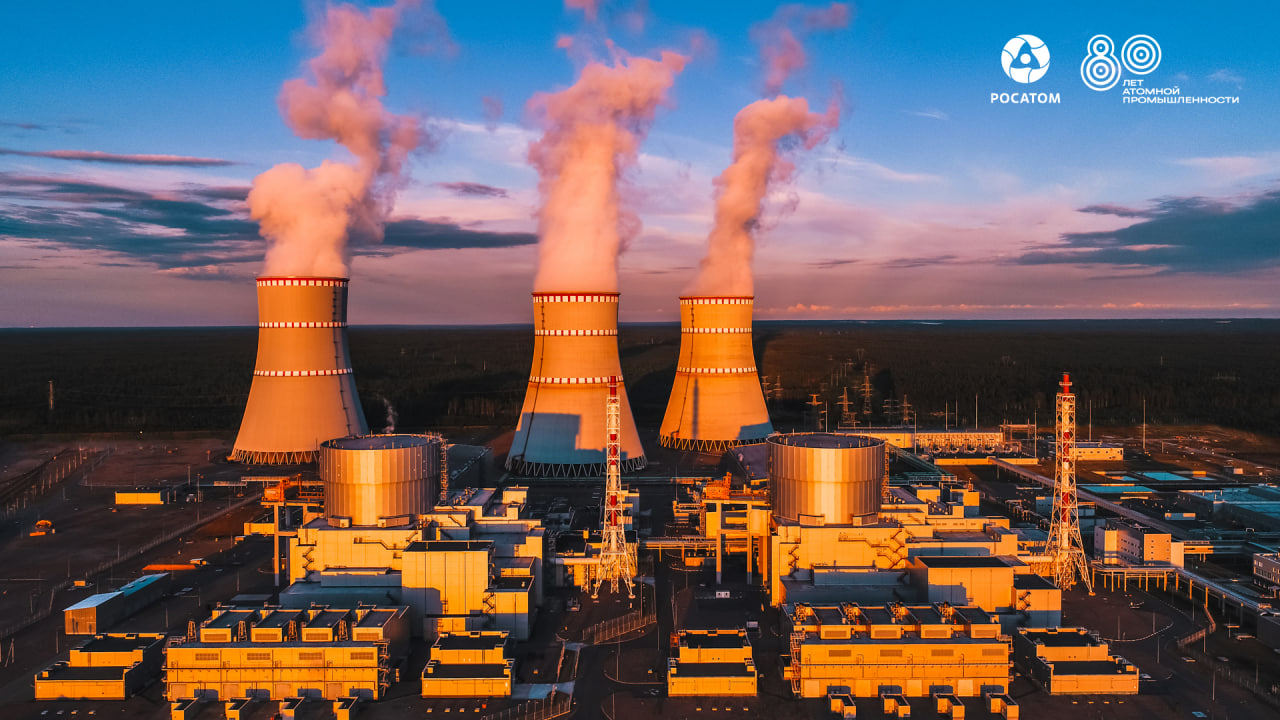
These principles are being implemented as part of the Proryv (Breakthrough) project: Russia is constructing an unparalleled lead-cooled fast-neutron reactor BREST-OD-300, along with fuel reprocessing and refabrication modules at the same site. Fast-neutron reactors represent a primary focus for Russian nuclear industry. The first such reactor, BR-2, was launched in 1956, and since then multiple research and power reactors of this type have been built, some of which remain operational today. Rosatom is also constructing a powerful research reactor MBIR, which has attracted strong interest from the global nuclear community.
New leadership
Russian nuclear industry has always been multifaceted, advancing new materials, computing systems, nuclear medicine, and much more. Leveraging this expertise, Rosatom has cultivated entire industries where it now holds leading positions.
TVEL, Rosatom’s fuel division, is expanding into additive manufacturing, producing powders and 3D printers and playing a key role in introducing additive technologies in Russia and abroad. Rosatom is also building production facilities for lithium-ion batteries, supporting the development of materials for such batteries and participating in the creation of domestic electric vehicles. Three Rosatom divisions are involved in deploying electric charging infrastructure across Russia. The mining division is developing projects to produce lithium carbonates, lithium hydroxides, and concentrates of certain rare-earth metals used in manufacturing magnets and, by extension, electric motors. Setting up production of magnets at one of Rosatom’s factories is also in the plan. The composite materials division has established vertical supply chains, from raw materials to glass and carbon fiber composite components and products. The wind energy division is constructing and operating wind farms in Russia and exploring similar projects abroad.
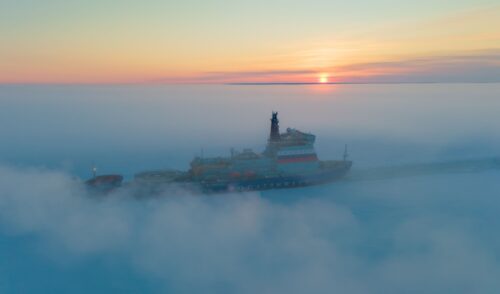
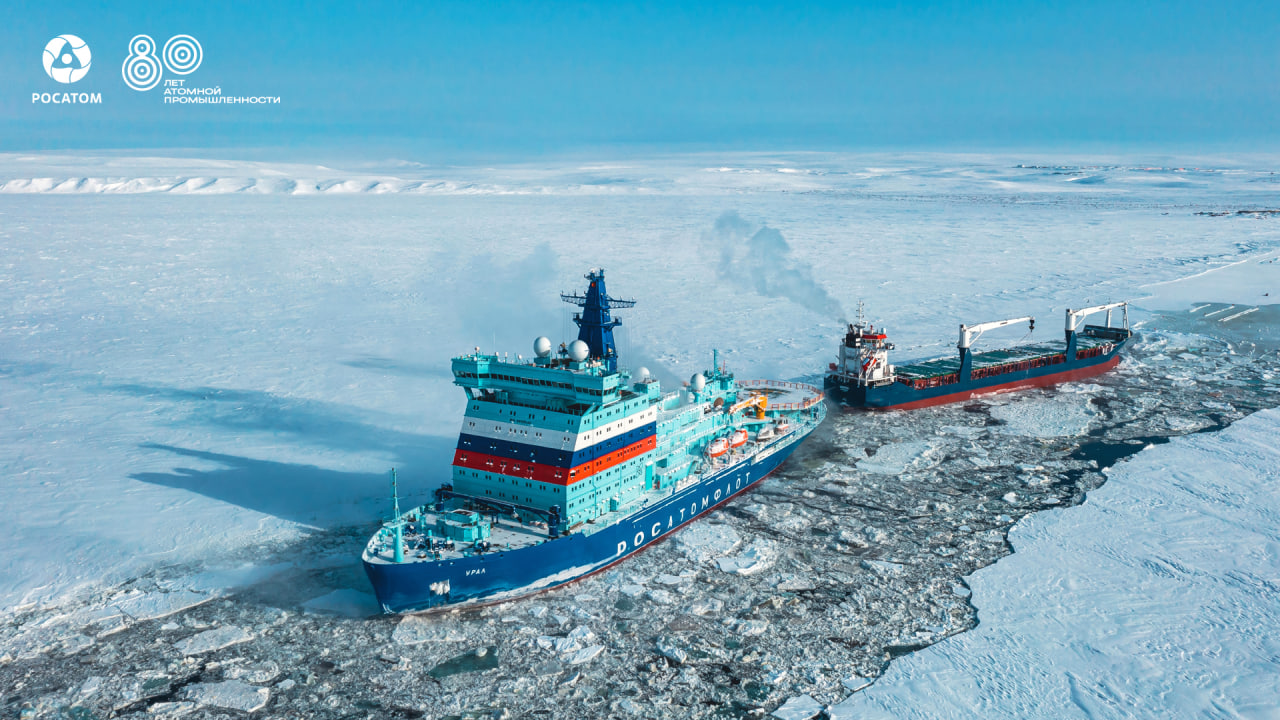
Rosatom is unlocking the logistics potential of the Northern Sea Route (NSR). Thanks to the world’s only nuclear-powered icebreaker fleet, freight traffic on the route grows every year, and the NSR is becoming an increasingly prominent and vital artery in global logistics.
Rosatom is advancing nuclear medicine. The Russian nuclear corporation holds leading positions in the production of medical isotopes, developing radiopharmaceuticals and promoting their use in diagnostics and treatment. Rosatom also shares its expertise internationally. In Bolivia, for example, it is building a cutting-edge nuclear research and technology center with a cyclotron, a multipurpose irradiation center, radiobiology and radioecology laboratories, and a research reactor.
Rosatom is making the planet cleaner by addressing accumulated environmental damage—remediating municipal landfills, hazardous chemical facilities, and nuclear and radiation-contaminated sites.
Cutting-edge technologies
From its inception to the present day, Russian nuclear industry has remained at the forefront of scientific and engineering innovation. Rosatom is contributing to the development and application of fusion and quantum technologies, supercomputers, artificial intelligence, biofabrication of tissues and organs, and Russian space programs. Russian nuclear experts are shaping the future technological landscape both in Russia and worldwide. Their work will benefit humanity for decades to come, on Earth and beyond.
Photo by: Rosatom, Leningrad NPP, Atomflot