Rosatom sees promoting knowledge about exact sciences and the nuclear industry among youth as one of its key missions. The Russian nuclear corporation organizes numerous educational events, and young people from Egypt actively participate in them. In August, Egyptian finalists of the Atoms Empowering Africa video competition visited several Russian cities, while winners of the Icebreaker of Knowledge program traveled to the North Pole aboard a nuclear icebreaker.
The Atoms Empowering Africa is an annual online video competition held by Rosatom for the sixth time. Its goal is to inspire African youth to explore the potential of nuclear technologies. The competition is open to educators, young professionals and students aged 18 to 35. This year, it was dedicated to the 80th anniversary of the Russian nuclear industry. Contestants were tasked with making short videos on one of three creative themes: Honor of the Past, Inspiration of the Present, and Dreams of the Future. More than 50 submissions were received from across Africa. with 13 winners selected from South Africa, Egypt, Kenya, Congo, Burundi, and Namibia by an international jury.
“Engaging the younger generation in the conversations that will define their world—from clean energy to innovation and sustainability—is no longer optional; it is a strategic imperative. Initiatives like Atoms Empowering Africa do more than ignite curiosity; they lay the foundation for enduring bridges of knowledge, trust, and friendship that transcend borders. As we mark 80 years of Russia’s nuclear journey, it is profoundly inspiring to witness young Africans come together—not just to learn about atoms, but to reimagine their place in the world and realize they can help build the future they deserve,” said Murad Aslanov, Director of Rosatom’s office in Egypt.
In August, the winners embarked on a five-day trip across Russia, visiting key sites of the Russian nuclear industry. Among the sites included in the program were Rosatom’s Technical Academy in Obninsk, a leading training center for nuclear professionals, and the Obninsk Nuclear Power Plant, the world’s first nuclear generating station connected to the grid, now operating as a scientific memorial site. In Moscow, the winners visited the Atom Museum and took tours of Red Square and the Kremlin.
Farah Ashraf, a winner from Egypt, shared her impressions of the trip:
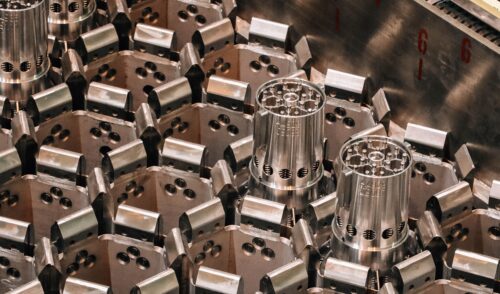
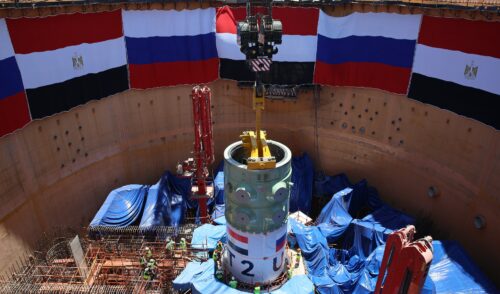
“As a graduate of the nuclear engineering department, I spent years studying nuclear energy theoretically. But standing inside Obninsk—the cradle of peaceful nuclear energy—turned knowledge into tangible reality. Seeing the VVER-1200 simulator, a model of the reactor used at Egypt’s El Dabaa Nuclear Power Plant, made me feel like I was witnessing the future. Yet what truly made this trip unforgettable was sharing it with brilliant minds from across Africa. In just a few days, we became friends who now share the same dream and vision for the future. Imagine what we can achieve together—not just across borders, but across disciplines—to build a better future for our continent through science, knowledge, and unity,” said Farah Ashraf.
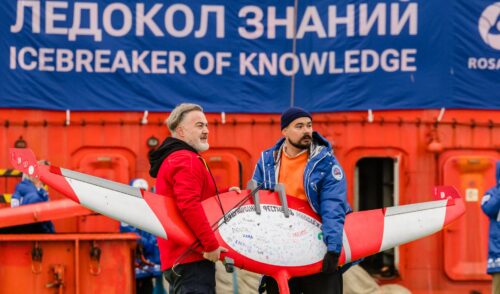
Egyptian nationals also took part in the 6th international Arctic expedition by Rosatom, the Icebreaker of Knowledge. For more details about the expedition, see the main news section of this issue. With students and experts from various countries, Egyptians traveled to the North Pole aboard a nuclear icebreaker. Timur Abdel Wahab from Egypt said that taking part in the expedition was a transformative experience for him:
“Sailing to the North Pole on board a nuclear icebreaker was more than a journey across the Arctic—it was a journey within myself. I witnessed how science, courage, and human determination can overcome even the harshest conditions on Earth. This experience has forever shaped the way I see our planet and my role in building a future driven by knowledge, responsibility, and hope,” said Timur Abdel Wahab.
Building the future by fostering talent
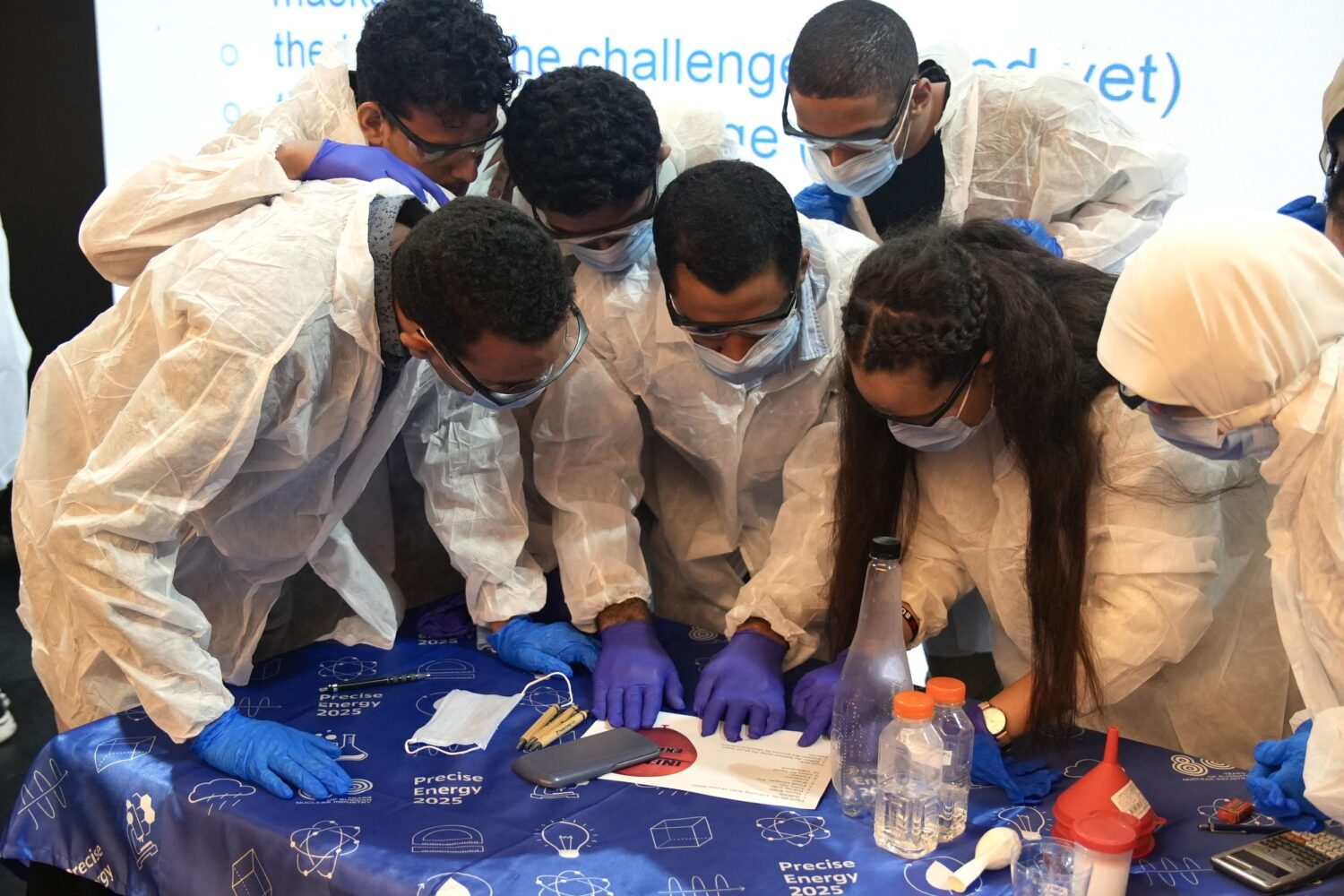
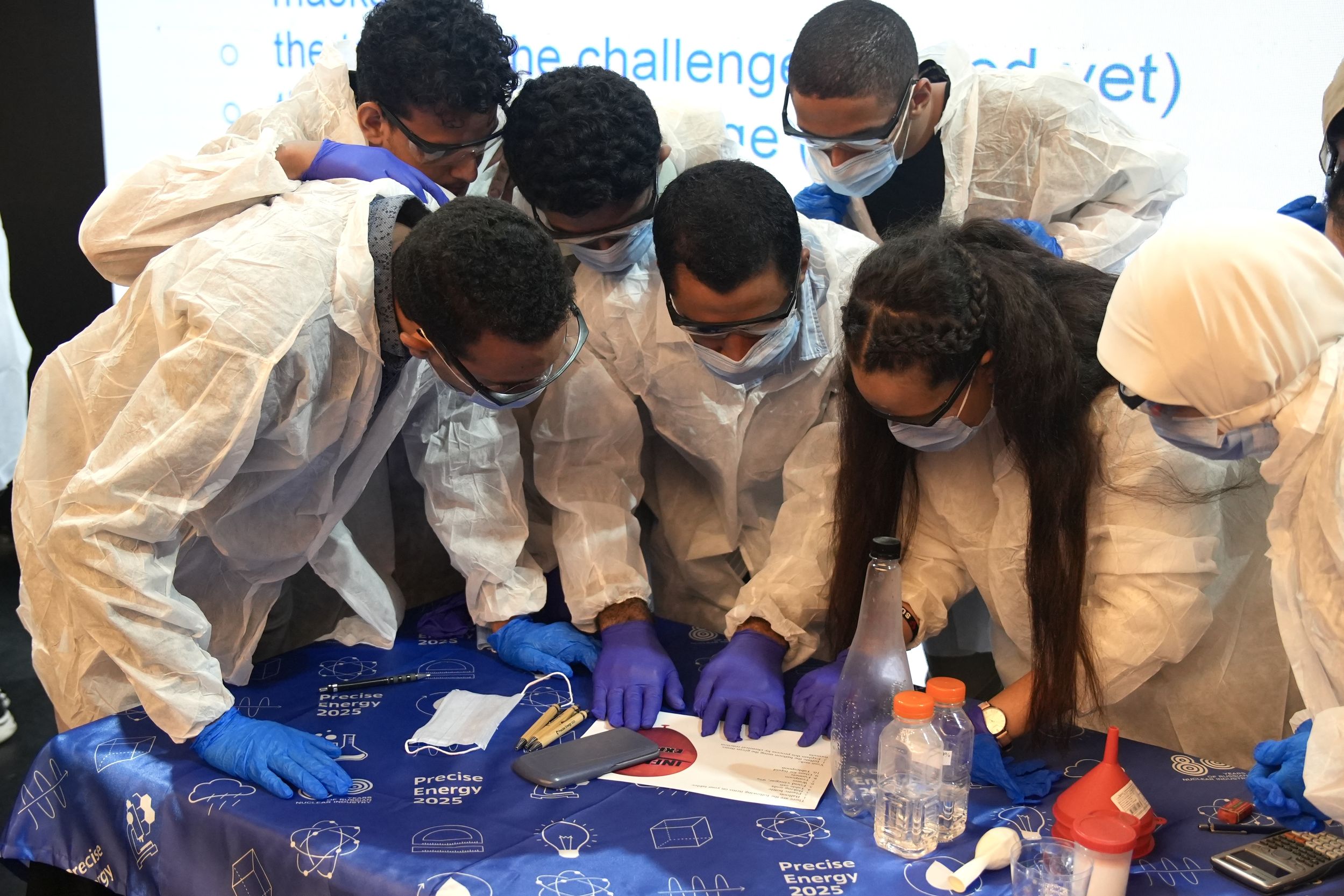
Another major educational initiative by Rosatom is the Precise Energy Olympiad. It aims to engage young people in science and engineering, laying the foundation for professional growth among talented students. More than 3,000 high school and university students from the El Dabaa NPP construction region participated in the qualifying round. University students solved tasks in mathematics, physics, and chemistry, while high school students demonstrated their knowledge in natural sciences. Additionally, team-based engineering competitions tested problem-solving skills, creativity, and teamwork.
Over 600 students reached the finals, which took place in Alexandria in late July. Winners received prizes and awards.
“Every year, Rosatom launches hundreds of initiatives worldwide in the fields of science, technology, education, and talent development. Naturally, our Egyptian friends are invited to participate in the best of them,” Murad Aslanov noted.
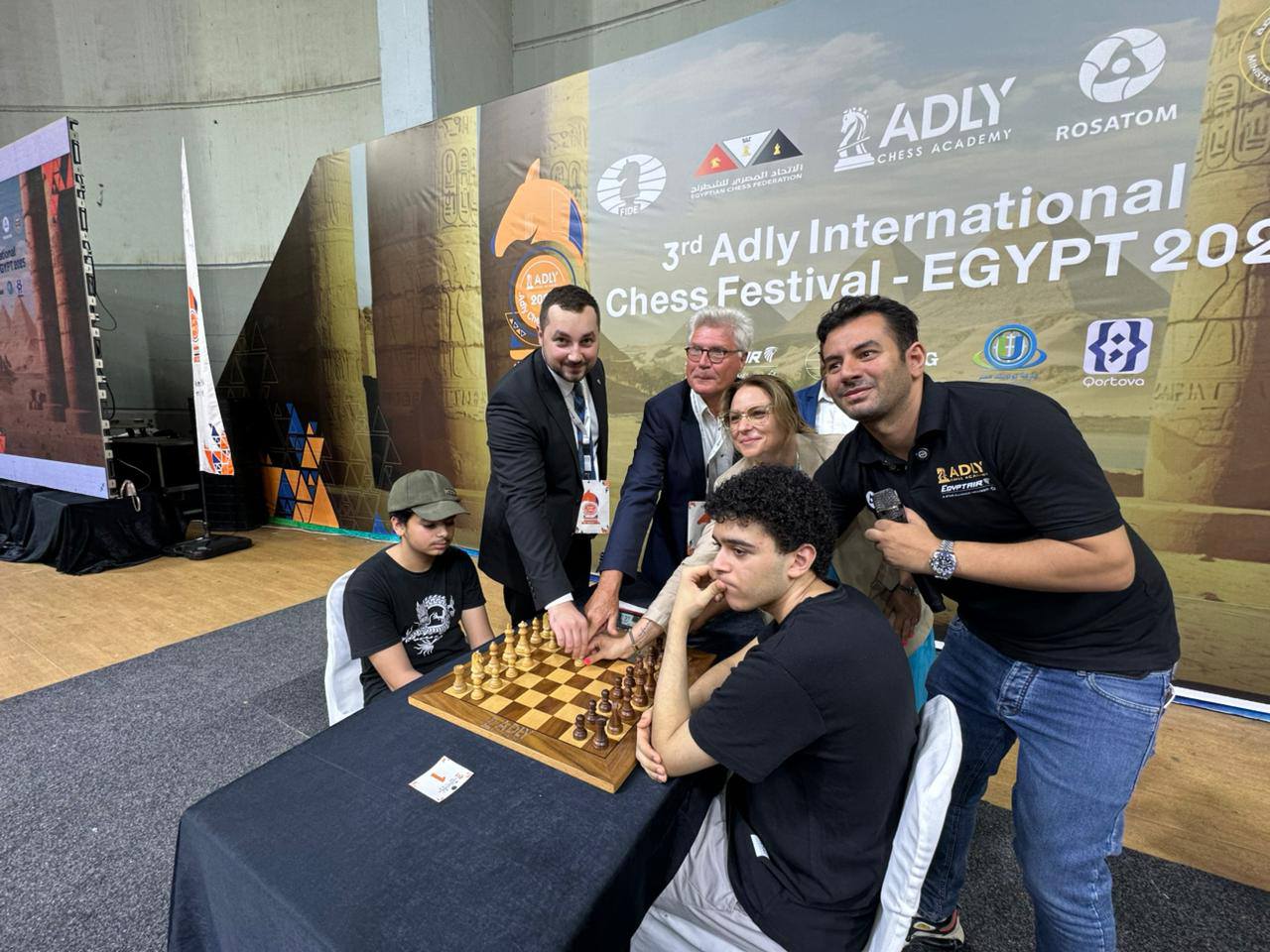
Rosatom also acted as a partner to the 3rd Adly International Chess Festival, which concluded in July at the Cairo International Stadium (Egypt). The event brought together 977 chess players from 11 countries. Tournaments were intended for different age groups and skill levels.
Egyptian grandmaster and founder of the Adly Chess Academy, Ahmed Adly, emphasized the deep connection between the game of chess and the values shared by Rosatom: “Chess is not just a sport; it is a school of strategy. It teaches youth to plan, assess risks, and think deeply before making decisions—exactly the skills so needed in science, engineering, and leadership. I am glad that we share the same values with Rosatom. The pursuit of intellectual excellence and strategic thinking underlie development of any nation. It is especially symbolic that our cooperation takes place in the year of the 80th anniversary of the Russian nuclear industry,” Ahmed Adly pointed out.
Photo by: Rosatom Regional Office in Egypt, ICAE, ASE EC (Atomstroyexport)