The Akkuyu NPP project was in the focus of attention at the World Atomic Week (WAW) international forum held in Moscow in late September. Thousands of guests from different countries visited the exhibition dedicated to the plant being constructed in Türkiye. Turkish representatives took part in all key events of the forum.
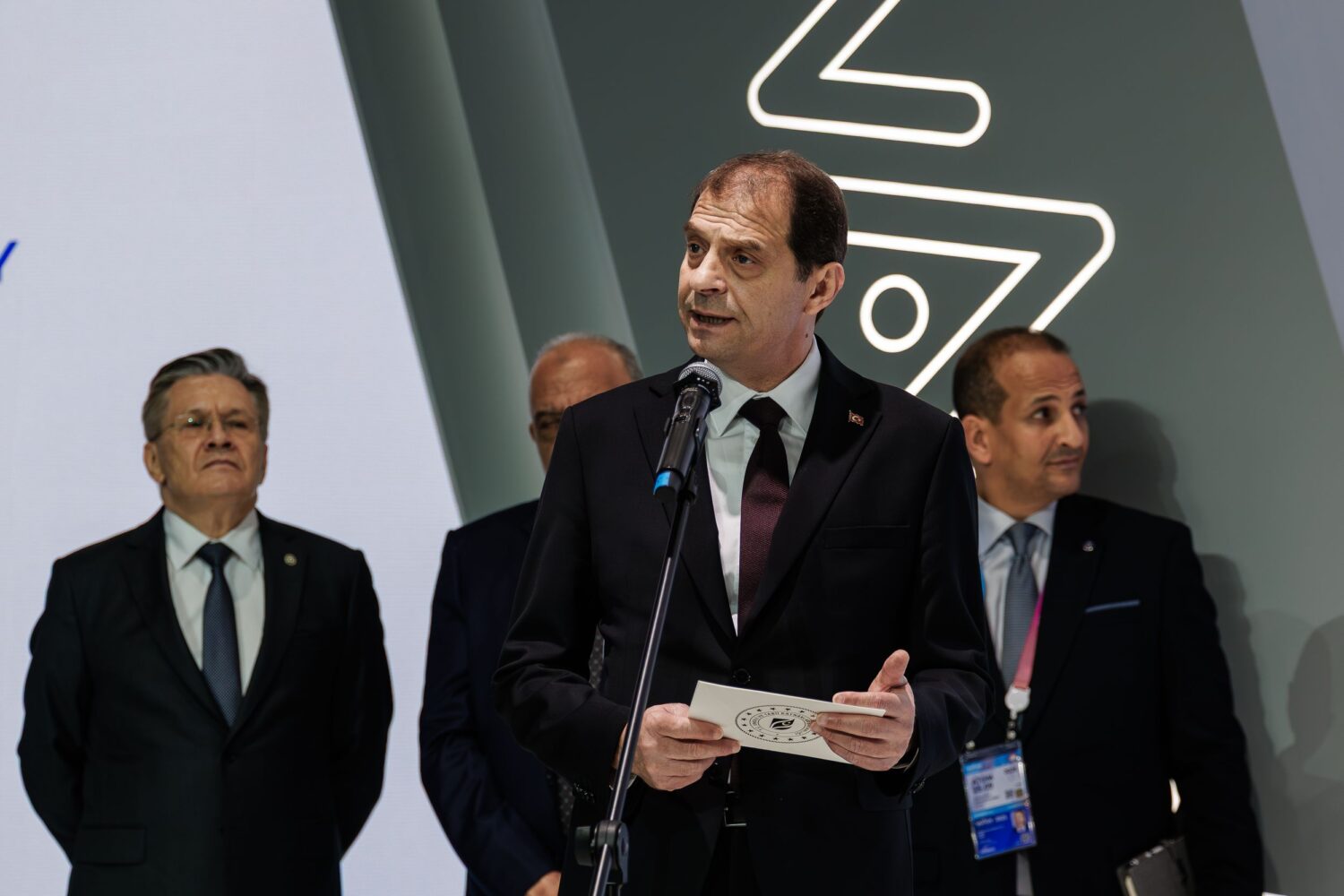
Speaking at the opening ceremony of the World Atomic Week, Turkish Deputy Minister of Energy and Natural Resources, Zafer Demircan, highlighted the important role of nuclear power in the country’s energy system. “Thanks to the nuclear plant, we will be able to meet 10% of our electricity demand and reduce carbon emissions by 35 million tons per year,” he said.
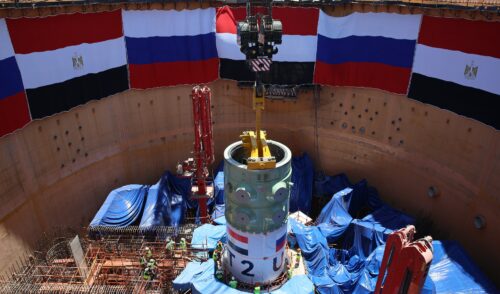
A landmark event—the shipment of the reactor pressure vessels for Unit 4 of Türkiye’s Akkuyu and Unit 1 of Egypt’s El Dabaa—took place on the very first day of WAW. The truck convoys carrying the equipment departed from Russian factories, with the live coverage broadcast during WAW. The green light for the departure was given by Zafer Demircan, Egypt’s Minister of Electricity and Renewable Energy Mahmoud Mostafa Kamal Esmat, and Rosatom Director General Alexey Likhachev.
The reactor vessel for the Turkish power plant is the 250th manufactured in Russia. Prior to the ceremony, the reactor vessels were wrapped in decorative covers featuring quantum mechanical models of atoms stylized as traditional Russian “Khokhloma” folk painting.
Zafer Demircan emphasized that the launch of Akkuyu Unit 1 was scheduled for the next year and underscored nuclear energy’s central role in Türkiye’s national energy strategy. “We aim to commission at least 20 GW of nuclear capacity by 2050, including through the deployment of innovative technologies such as small modular reactors. The Akkuyu NPP is a landmark project in the development of Türkiye’s peaceful nuclear energy program. All power units of the Akkuyu NPP are currently under construction. Today’s shipment of the reactor pressure vessel for the fourth unit is a strong demonstration of both countries’ commitment to this project,” he pointed out.
Clean water, clean energy
Apart from being a reliable source of green electricity, nuclear energy can provide access to clean water, another critical resource of the 21st century. According to UN estimates, the global freshwater deficit could exceed demand by 40% by 2030, and up to 5 billion people may lack reliable water access by mid-century.
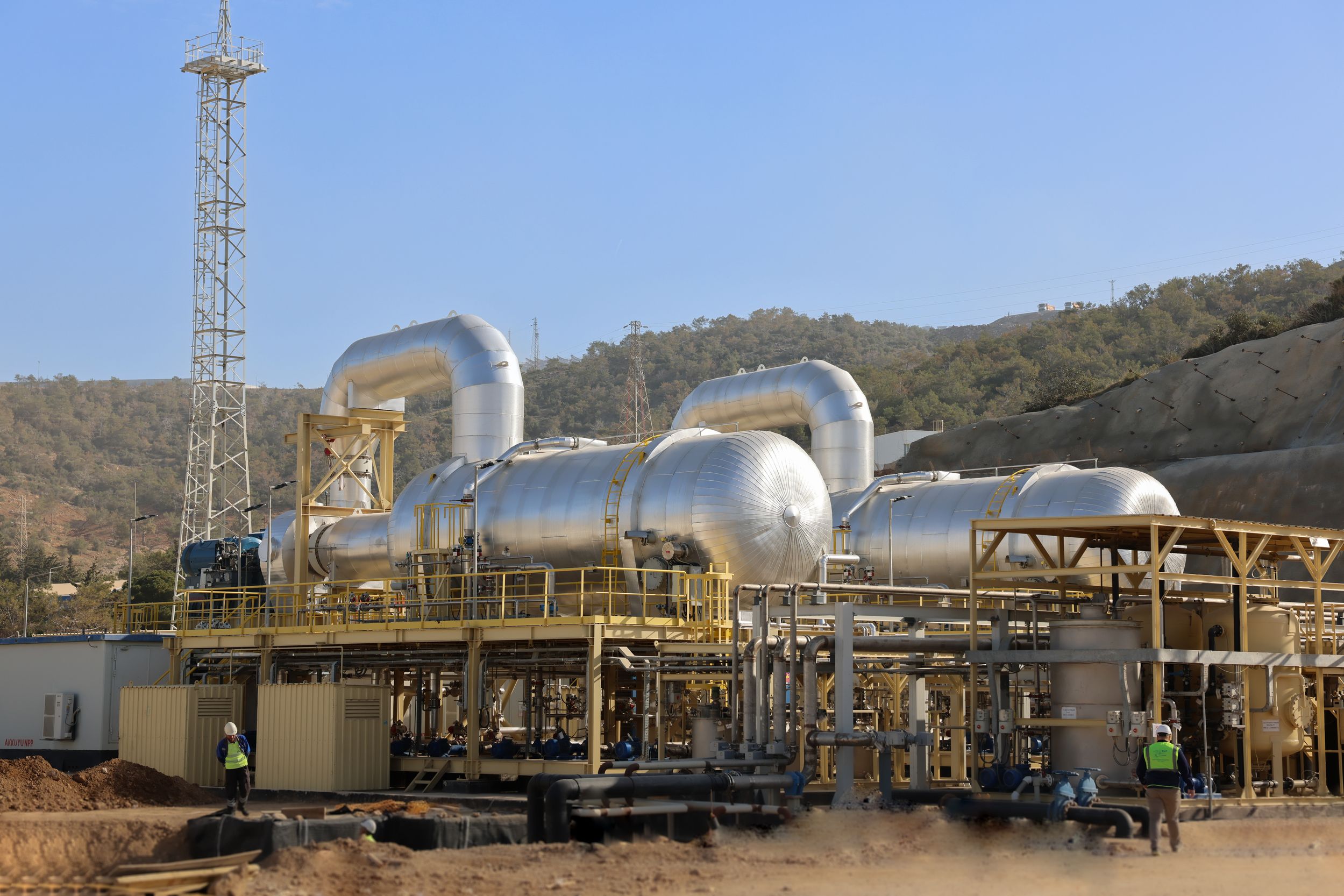
It was highlighted during the panel discussion titled “The Water-Energy Continuum: A Foundation for Building a Sustainable Ecosystem” that desalination and water purification technologies integrated with energy sources become critically important under the current conditions. Ksenia Sukhotina, CEO of Rosatom Infrastructure Solutions, noted that real-world examples of such integration already existed. In 2025, Rosatom commissioned a desalination facility at the Akkuyu NPP site in Türkiye. “Its capacity is modest for now, but it can be expanded. We are currently developing similar projects in other countries, including in Africa,” she said.
Faraç Alemdar, a partner at the Turkish Avas Enerji Group, shared that water levels in many Turkish reservoirs had dropped to 50% or lower, reaching critical thresholds in some regions. He explained that the government was taking decisive steps to avoid crisis scenarios, requiring all new energy and industrial projects to have closed-loop water systems, modernizing agricultural irrigation to reduce pressure on water resources, and deploying advanced water purification and treatment technologies.
“We also count on expanding the use of desalination technologies, including through our partnership with Rosatom, which has already commissioned a desalination facility at Akkuyu,” Alemdar said.
The power of partnership
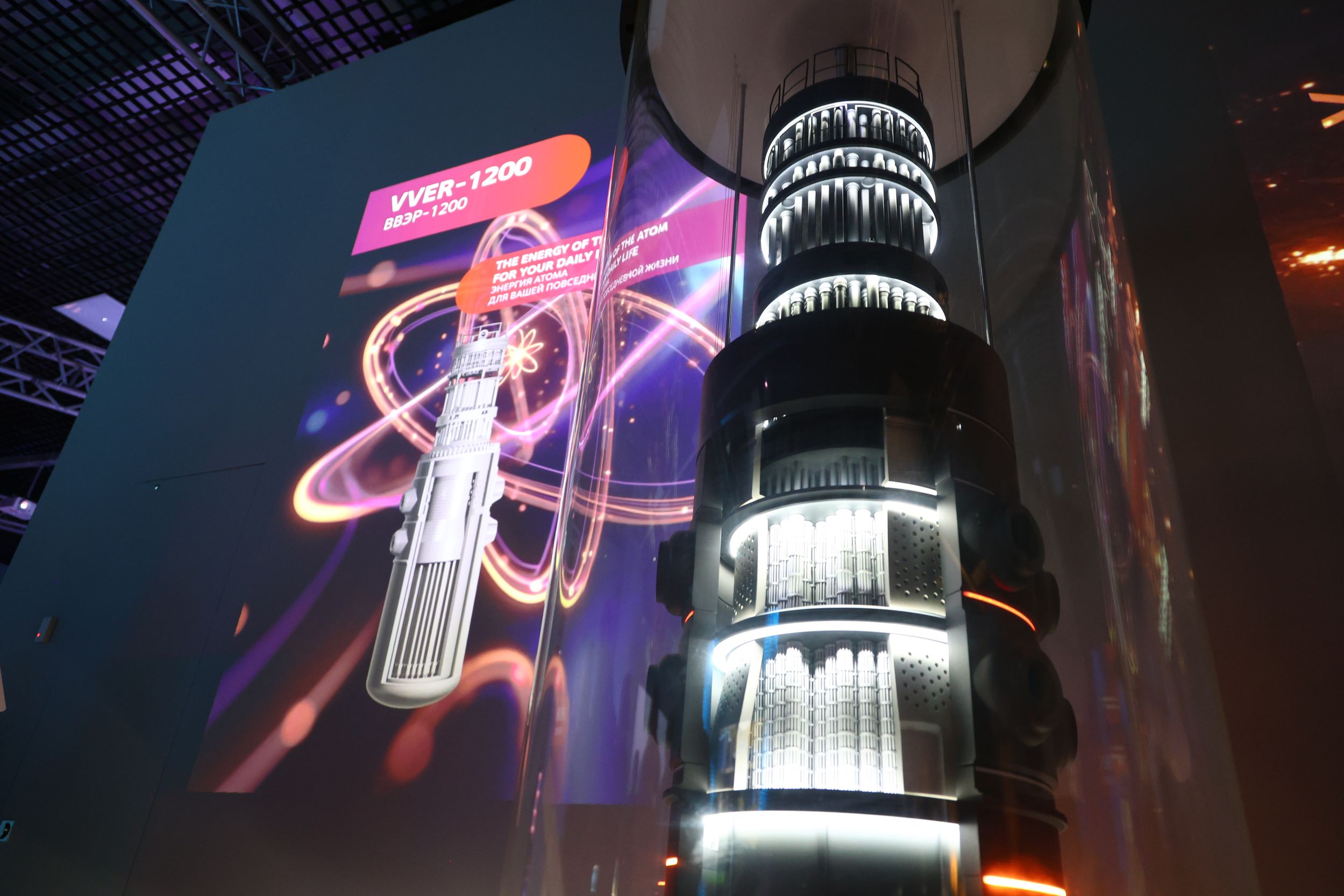
The Turkish-themed zone and the Akkuyu NPP exhibition, both occupying a central spot in the Middle East section of the show floor, generated tremendous interest among forum attendees. WAW participants watched video materials on the progress at Akkuyu, explored interactive exhibits, and spoke directly with Turkish and Russian engineers involved in building Türkiye’s first nuclear power plant. As tradition dictates, guests were offered Turkish coffee and sweets. They also learned about Turkish culture and traditions.
Young Turkish and Russian professionals working at the Akkuyu NPP actively participated in WAW’s youth program. They attended Rosatom’s Young Leaders School, listened to presentations by leading industry experts, and took part in strategic sessions on nuclear energy development and roundtables with international speakers.
As part of the forum program, a visit to the Kalinin NPP (Tver Region, Russia) was organized for Turkish journalists within an international press tour that brought together 45 media representatives from eight countries—Vietnam, Egypt, Indonesia, Malaysia, Myanmar, Brazil, Türkiye, and Uzbekistan. The guests visited Kalinin’s Public Information Center, toured the Unit 3 control room and turbine hall, and received detailed briefings from the plant management on safety systems, electricity output, environmental monitoring activities, and the plant’s contribution to the regional economy.
“Safety is the absolute priority in the design and operation of nuclear power facilities,” said Ruslan Alyev, Chief Engineer at the Kalinin NPP. He noted that the plant’s performance metrics confirmed the effectiveness of its safety culture principles: for over 40 years, the Kalinin NPP has operated reliably as part of the Russian national power grid. Ruslan Alyev added that Kalinin generated 82% of all electricity in the Tver Region and 14% of the electricity produced in the Central Federal District of Russia; it accounts for approximately 15% of total output by RosEnergoAtom (Rosatom’s nuclear plant operator). This nuclear plant is also a major employer in its host community.
The press tour continued with a visit to the Kalinin Data Center. This high-tech facility, connected to a reliable source of power, provides secure and uninterrupted data services to hundreds of clients. The media representatives also visited the cooling pond located one kilometer from the nuclear plant. Radiation levels were measured in their presence: readings on land and at the water’s edge remained well within permissible limits.
Photo by: Strana Rosatom newspaper, Akkuyu Nuclear JSC