Rosatom, a global leader in the production of medical isotopes, is expanding its capabilities and offerings in nuclear medicine while strengthening international cooperation in this field. Recent activities include participation and partner meetings at the Bioprom 2025 and World Atomic Week international forums.
Bioprom 2025
The Bioprom 2025 forum held in early October in Gelendzhik, Russia featured a Rosatom-organized session titled “Regulatory Strategy in the Lifecycle of Radiopharmaceuticals.” During the session, experts in radiopharmaceuticals considered challenges in the legal regulation of nuclear medicine, transfer of innovations, pre-clinical and clinical trials, application of new methods and technologies, and personnel training.
As noted by the discussion moderator, Ekaterina Chaban, Head of Scientific and Technical Cooperation and Director for Advanced Projects at Rosatom, safeguarding citizens’ health is a priority for Russia, and the role of nuclear medicine within this priority is growing. “Rosatom subsidiaries produce a wide range of radioisotope products for diagnosing and treating cancer and other diseases. There are also many promising radioisotopes that are yet to be fully studied,” Ekaterina Chaban said.
Session participants shared insights on Russian and international practices for registering innovative radiopharmaceuticals. Russian Deputy Minister of Health Sergey Glagolev spoke about the accelerated introduction of innovative drugs, and conditions for their rapid inclusion in clinical guidelines and the state guarantee program. Yekaterina Yakovleva, Head of the Drug Registration Department at AstraZeneca Pharmaceuticals (representative office in Russia and Eurasia), noted that leading international pharmaceutical companies viewed radiopharmaceuticals as the market of the future and were pinning much hope on it.
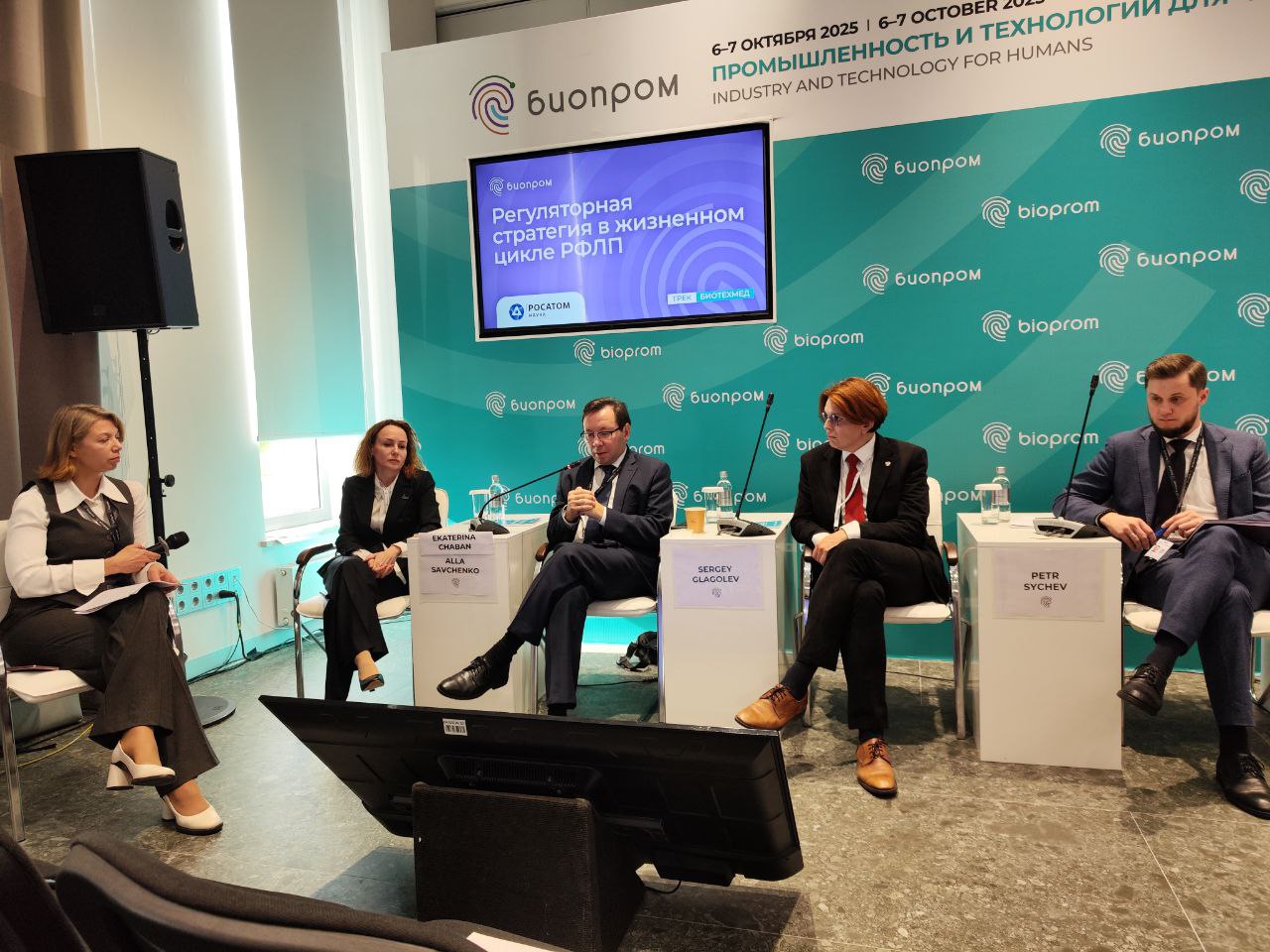
The session also discussed the accessibility, availability and safety of advanced methods and drugs for radionuclide diagnostics and therapy.
World Atomic Week
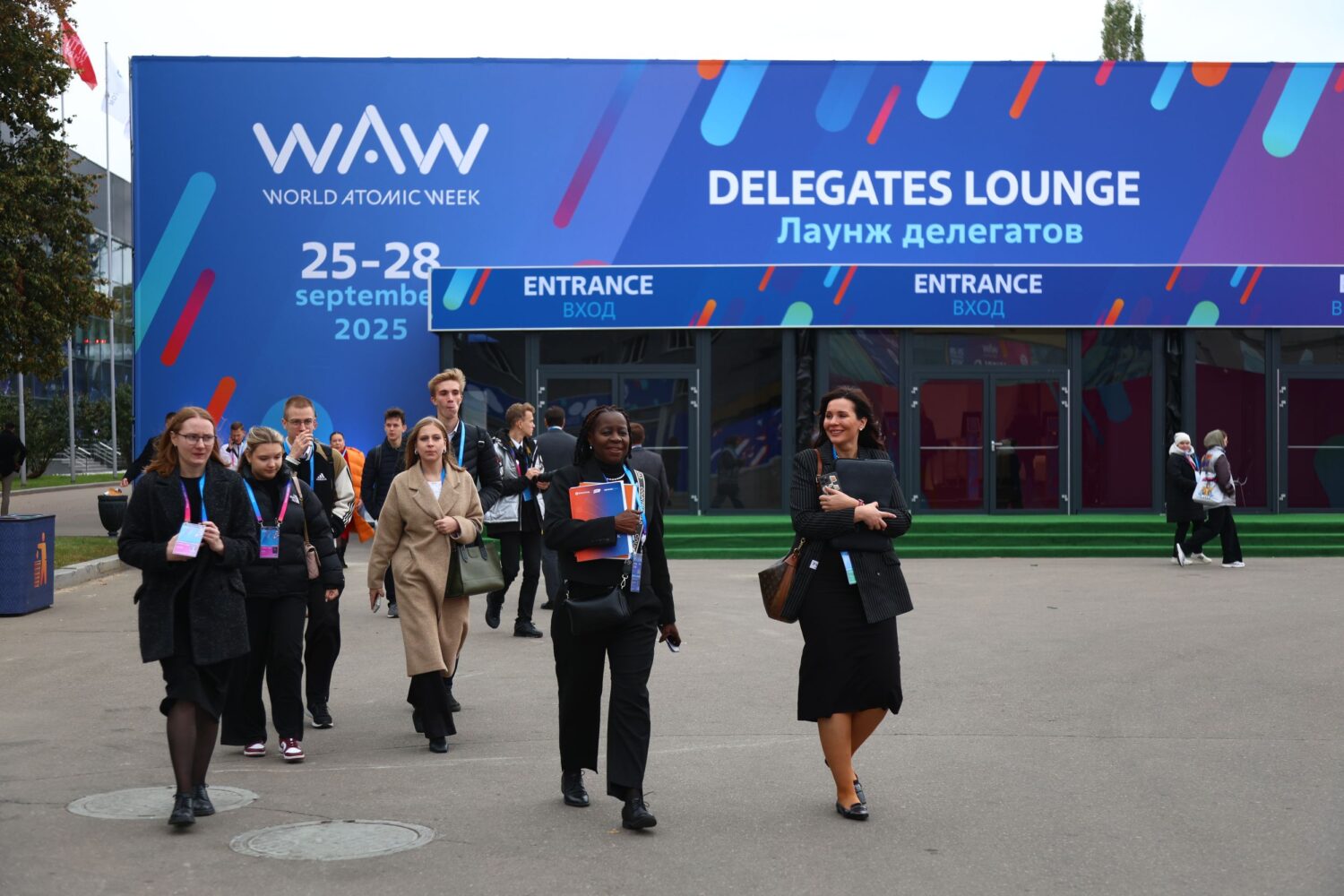
At the World Atomic Week international forum held in Moscow in September, representatives of many different nations shared their experiences of cooperating with Rosatom in the field of nuclear medicine.
Baktygul Sultangaziyeva from Kyrgyzstan, who is in charge of the project to build a nuclear medicine center in the country, reported the Bishkek Institute of Oncology and Radiology used to have a nuclear medicine department during the Soviet era, which closed in 1990. Since then, no medical research or treatment using nuclear technologies has been conducted. However, the country needs them critically as approximately 7,000 new cancer cases are detected annually in Kyrgyzstan, with about half proving fatal within a year. The situation began to change in 2022 when, with assistance from Rosatom and the IAEA, preparations began to open a nuclear medicine department at the National Center for Oncology and Hematology in Kyrgyzstan. Rosatom provided diagnostic kits free of charge.
The nuclear medicine department received its first patients in June 2024. Since then, over 400 patients have been examined. The next step will be to establish a nuclear medicine center in Bishkek. “This will be a fully-fledged, large center with a radiopharmacy, a cyclotron, PET scanners, and gamma cameras, featuring GMP-compliant production of radiopharmaceuticals, molecular imaging, radiotherapy, and theranostics. This is what we are working on with the Russian nuclear corporation Rosatom,” Baktygul Sultangaziyeva explained. The center will cater not only for oncology patients but also for those with cardiac, endocrine, and other diseases. “This is the gold standard of medical care for the people of Kyrgyzstan,” Sultangaziyeva emphasized.
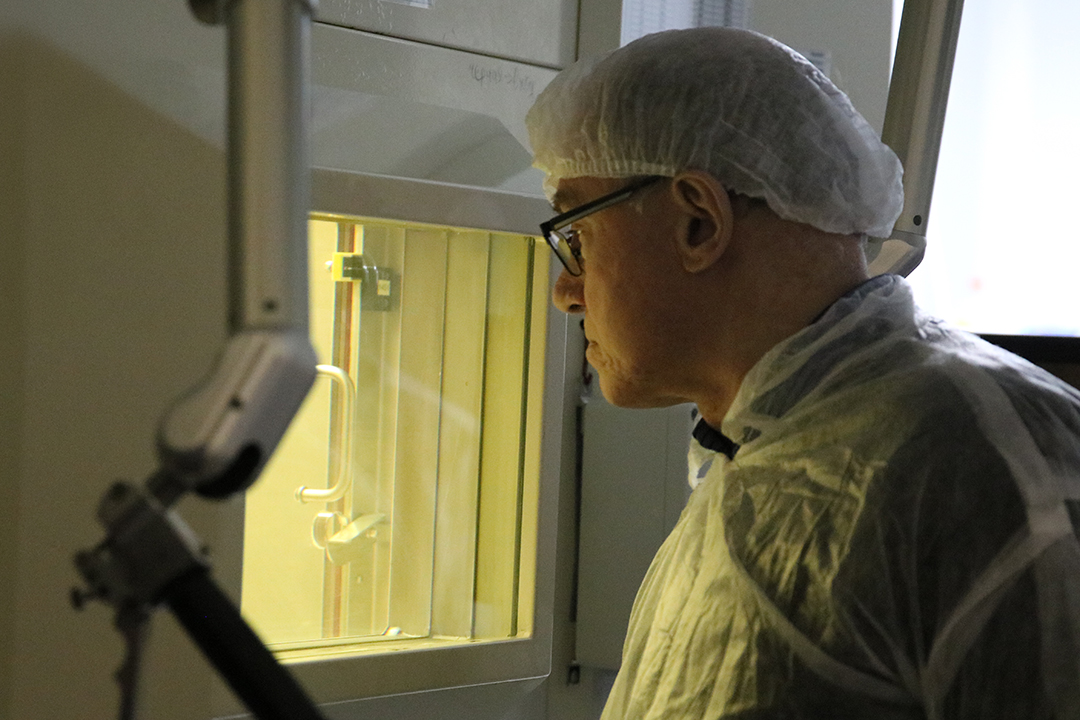
Danica Grujičić, Chair of the Serbian Society for the Fight Against Cancer and a neurosurgeon, spoke about how she was impressed by the achievements of Russian nuclear medicine. “This applies mostly to neuroblastomas, given that you have started working with actinium,” Grujičić noted. She said that Serbia had decent diagnostic capabilities, which nevertheless required development, while therapeutic potential was underdeveloped.
Currently, Serbia imports all radiopharmaceuticals it uses; however, the country is exploring the possibility of opening nuclear medicine centers in cooperation with Russia, similar to Kyrgyzstan. “What pleases me is that more and more young colleagues choose nuclear medicine as their specialty, showing growing interest in it. I believe the future lies with nuclear medicine,” Danica Grujičić concluded.
Ahmed El Sobky, Chairman of the Egyptian Healthcare Authority, reported that he had discussed the improvement of nuclear medicine infrastructure with Russian colleagues on the sidelines of the forum. Alongside Egypt, this pertains to other African countries. “The negotiations are progressing very successfully. We hope to cooperate with Rosatom in this field,” Ahmed El Sobky said.
These examples demonstrate the global medical community is interested in the nuclear medicine technologies offered by Rosatom and other relevant Russian organizations and a more intensive international cooperation in this field.
Photo by: JSC Rosatom Science, newspaper “Strana Rosatom”