Russia and China are intensifying their cooperation in the Arctic. This is evidenced by both the regular meetings of the dedicated Russian-Chinese Northern Sea Route (NSR) Cooperation Sub-Commission and the first-ever transit voyage through the NSR from China to Europe.
This autumn saw a historic voyage, with containers delivered from China to Europe through the Northern Sea Route for the first time ever. The vessel carrying nearly 25,000 tonnes of cargo departed from the Chinese port of Ningbo on September 23, entered the NSR waters on October 1, and arrived at the British port of Felixstowe on October 13. After unloading, the container ship proceeded to other European ports.
The transit through the Russian Arctic took 20 days, which is almost half the time required for the transportation on conventional southern routes. The voyage highlights the key competitive advantages of the Arctic route, such as a radical reduction in delivery time and, consequently, a sizable decrease in operational costs and greenhouse gas emissions. This is particularly relevant in the context of global efforts to decarbonize maritime logistics.
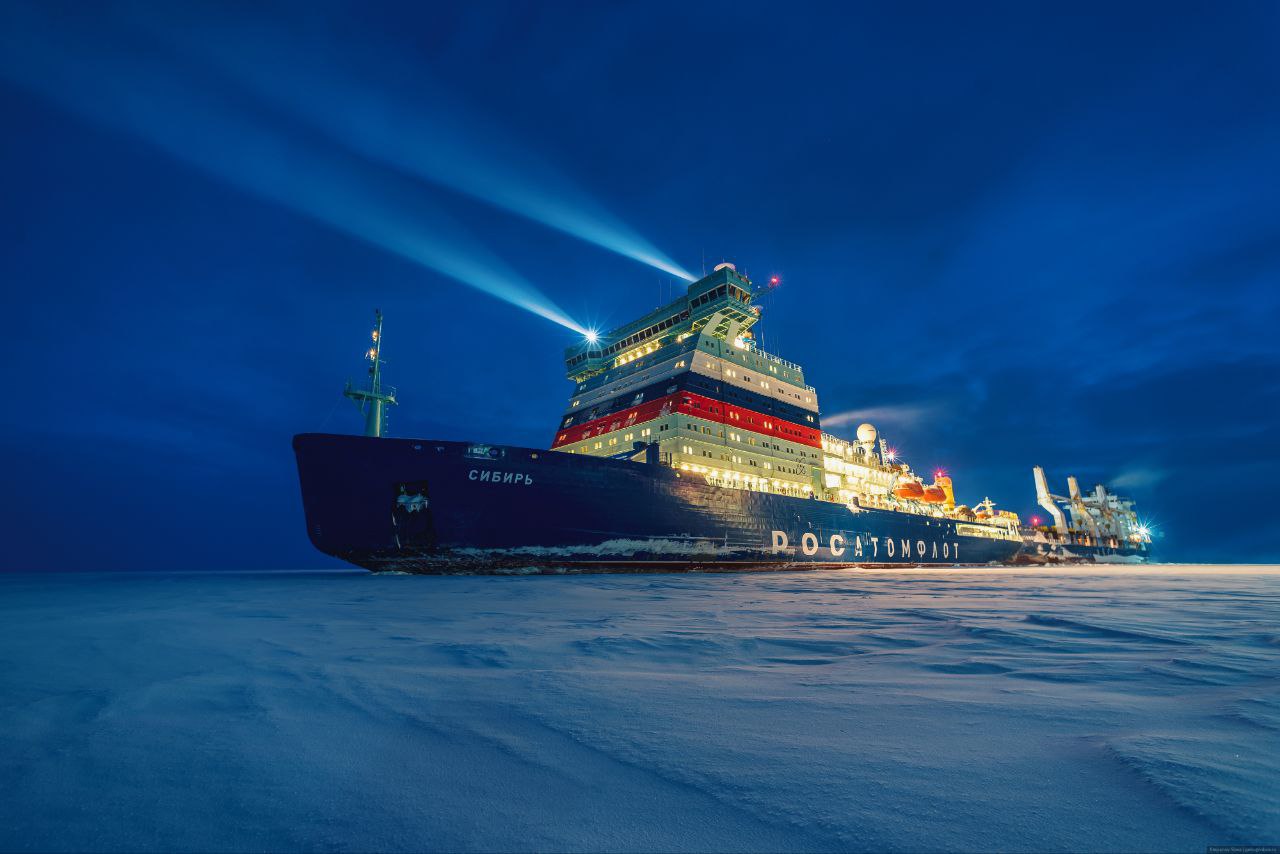
“The Northern Sea Route is developing at a rapid pace, transforming into a viable and efficient global logistics route. This transformation is facilitated by various factors, including the development of advanced technologies, construction of new-generation nuclear icebreakers, and growing interest from foreign shippers,” said Vladimir Panov, Rosatom’s special representative for the Arctic development.

The Northern Sea Route is the shortest maritime passage connecting Western Eurasia with the Asia-Pacific region, spanning approximately 5,600 km. In the summer-autumn navigation season of 2024, 14 international container voyages took place between the ports of Northwestern Russia and China. This is double the number recorded in 2023.
At the official level
In October, China’s Harbin hosted the second meeting of the NSR Cooperation Sub-Commission of the Russia-China Commission for the Preparation of Regular Meetings between the Heads of Government. The parties approved a roadmap to continue expanding shipping operations on the Northern Sea Route between Russia and China. The roadmap is aimed at forming a sustainable transport corridor. The cooperation provides for the deployment of advanced logistics solutions and technologies to enhance transportation efficiency and develop capital projects.
“Russia views the NSR as a key transport artery of the 21st century, capable of providing faster, more efficient, and secure connectivity between continents. I am confident that the decisions made today will give additional impetus to the development of Russian-Chinese cooperation in unlocking the NSR’s potential and will materialize cooperation opportunities into major capital projects. Our collaboration diversifies global trade routes and also introduces advanced technologies in the development of the challenging northern latitudes,” said Rosatom Director General Alexey Likhachev.
During his tour to China, Alexey Likhachev also visited Harbin Engineering University, one of China’s leading educational institutions for engineers. He met with Russian students and postgraduates studying at this university. Harbin Engineering University trains personnel for the Chinese nuclear industry and is one of the country’s leading educational centers in shipbuilding. The head of Rosatom visited an exhibition dedicated to the research work conducted at the university and inspected its academic laboratories.
Photo by: Atomflot FSUE, FESCO, Ministry of Transport of the People’s Republic of China