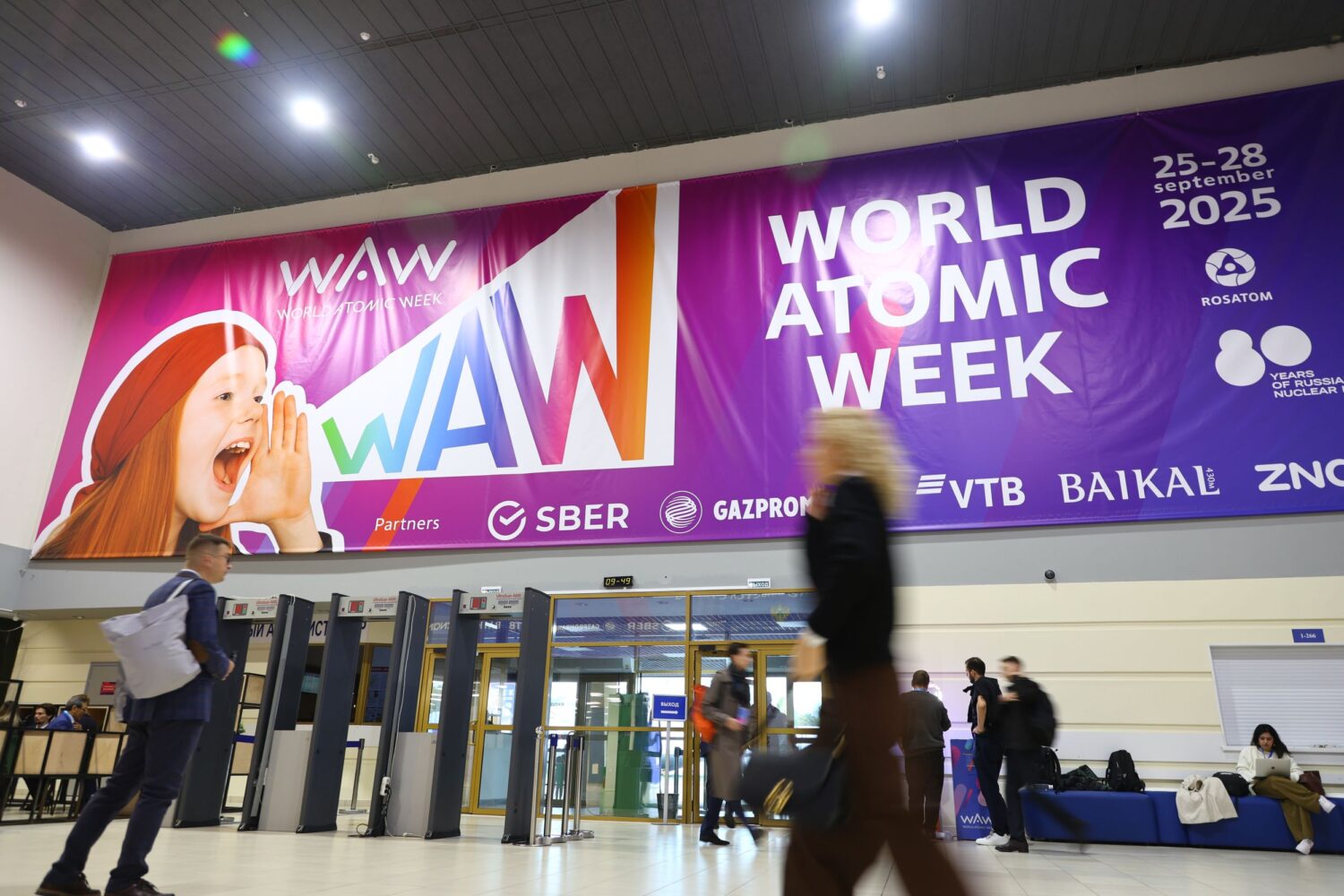
A delegation from Bangladesh participated in the World Atomic Week (WAW) international forum held in Moscow. The country’s representatives discussed the development of conventional nuclear power and learned about Rosatom’s new business ventures, while young professionals—graduates of Rosatom’s partner universities—had the opportunity to network with peers from around the world.
The forum brought together heads of state and government officials from numerous countries, leaders of international organizations and major energy companies, scientists, and experts from across the globe.
Growing interest in civil nuclear technology was highlighted by Rafael Grossi, Director General of the International Atomic Energy Agency (IAEA), and Sama Bilbao y León, Director General of the World Nuclear Association (WNA), both of whom took part in all key WAW events. According to expert estimates, global nuclear capacity is projected to grow 2.5-fold by 2050, reaching nearly 1,000 GW.
An increasing number of countries worldwide are announcing plans to develop nuclear energy; in ASEAN, these include Indonesia, Malaysia, Thailand, and Vietnam. In South Asia, the nuclear leader is India, operating 21 nuclear power units and constructing six more.
Bangladesh is the second South Asian country set to have its own nuclear power plant. Stable and reliable nuclear energy is essential for the nation, emphasized Sama Bilbao y León: power consumption in Bangladesh is growing very rapidly, at about 7% per year. Ensuring universal access to electricity is critical for accelerated economic development. Therefore, the launch of the Rooppur NPP with two reactors totaling 2,400 MW will be a game-changer. “Rooppur represents a revolutionary opportunity for Bangladesh. It is a story of success!” Bilbao y León concluded during a press conference.
Sharing knowledge and technology
Russia is open to international cooperation and ready to share its technologies with international partners. “Nuclear energy is an industry characterized by long project cycles, which requires a great deal of mutual trust. And we, Russia and Rosatom, have always adhered to this rule: building long-term, trust-based relationships with our partners, willingly transferring technologies and knowledge, establishing joint ventures, and collaborating in third-country markets,” said Sergey Kiriyenko, First Deputy Chief of Staff of the Presidential Executive Office and Chairman of Rosatom’s Supervisory Board, in his address at the World Atomic Week.
Rosatom is one of the world’s leading exporters of nuclear technology. “Out of the 27 nuclear export projects underway globally, 24 belong to Rosatom. But what truly matters beyond the numbers is the sense that we are changing the world, that the countries we enter become fundamentally different. For example, just six years ago, the site of the Rooppur NPP in Bangladesh was a deserted river bank, and the Akkuyu NPP site in Turkey was an abandoned beach,” noted Rosatom Director General Alexey Likhachev.
At the same time, Rosatom offers its partners expertise in both conventional nuclear-related businesses and new areas.
One such area—additive manufacturing—was presented to journalists from various countries, including Bangladesh, by Ilya Kavelashvili, Director for Additive Technologies at Rosatom, during a press tour to Rosatom’s Additive Technologies Center in Moscow organized as part of WAW. Visitors saw Rosatom-manufactured equipment in action, including SLM 3D printers, direct laser deposition systems, and electron-beam wire additive manufacturing units. “Exporting Russian additive technologies to friendly countries is one of Rosatom’s strategic goals. We are building effective partnerships with India, Egypt, Bangladesh, and other countries through a comprehensive approach. We have launched a dedicated Additive Technologies Center and are now working to establish similar centers jointly with our partners,” said Ilya Kavelashvili.
According to Kavelashvili, additive technologies can be applied in medicine, aerospace and engine manufacturing, space technologies, building concrete structures, and even in the production of human tissues and organs.
Networking with young colleagues
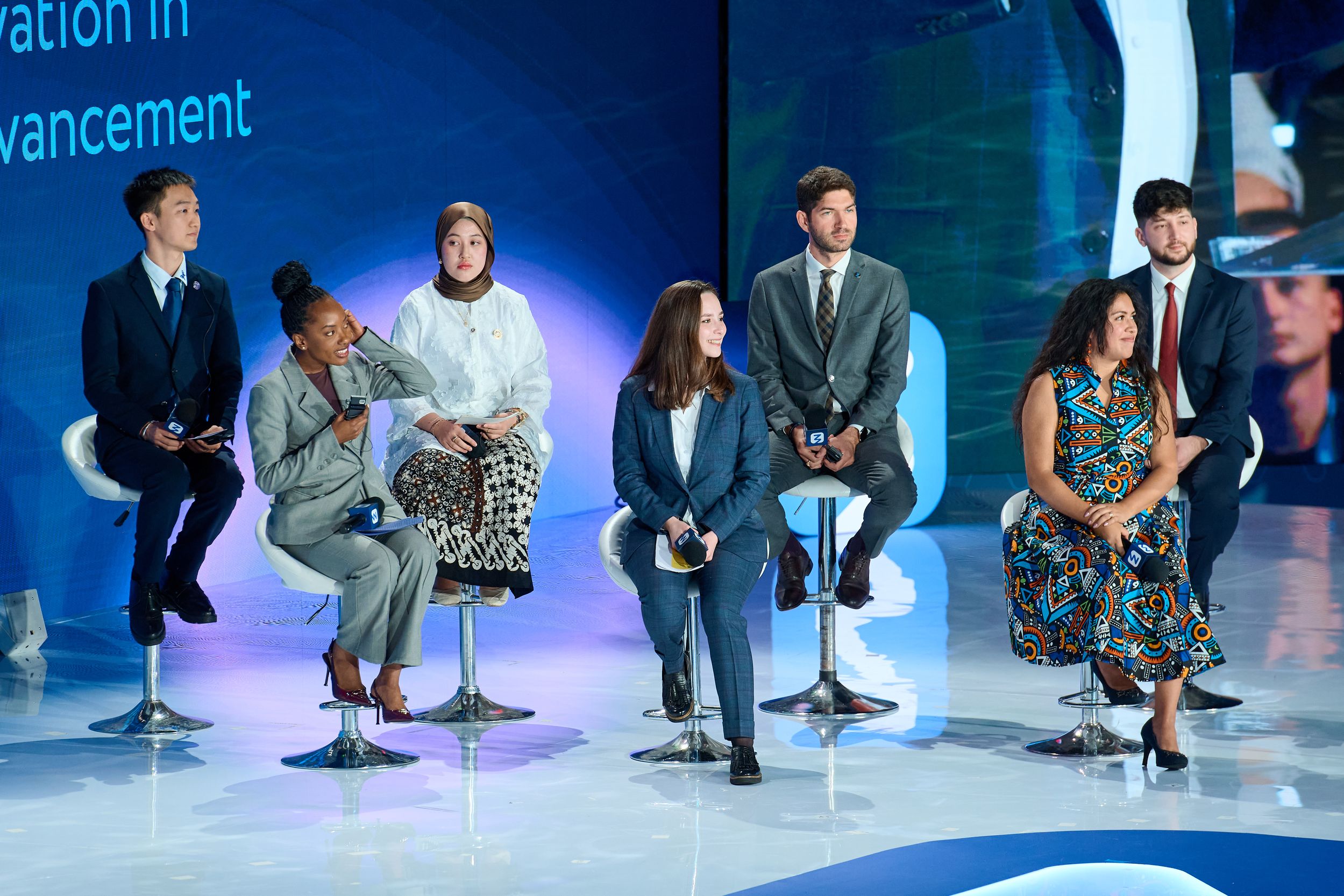
Young professionals also engaged actively in the forum’s business program, including a roundtable for graduates of Rosatom’s partner universities. Titled “Connected by One Atom: Technologies for Sustainable Development,” the event brought together young professionals from Bangladesh, Vietnam, Kazakhstan, Uzbekistan, Ghana, and other countries.
“Rosatom places great emphasis on engaging with international graduates of our partner universities, and this effort is already yielding results. Today, our alumni community includes over 1,000 individuals from more than 60 countries who have received a degree in nuclear engineering and related fields in Russia. We are proud of your achievements,” said Tatyana Terentyeva, Rosatom’s Deputy Director General for HR.
The young professionals exchanged views on the role of nuclear and green energy, current industry trends, and the skills future leaders will need. They also shared insights on nuclear sector development in their home countries and their own professional journeys.
Watching and tasting
In addition to participating in the WAW business program, forum guests eagerly explored the exhibition dedicated to the Rooppur project. They learned about key project milestones and also discovered Bangladesh culture and traditions. Furthermore, the visitors had the chance to sample dishes from traditional Bangladeshi cuisine in the Nuclear Power Countries’ Cuisines themed zone.
Photo by: Strana Rosatom newspaper, Rosatom Corporate Academy