
News

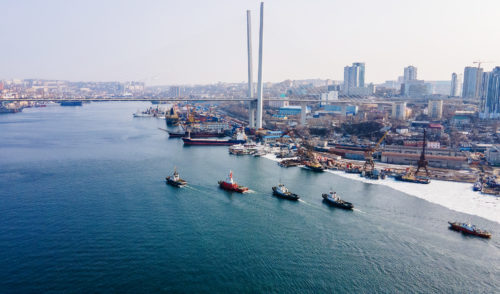
Cooperation. Rosatom and Indonesia’s PT Pembangkit Listrik Nuklir have signed an agreement to supply electricity to the northern part of Halmahera Island in North Maluku using nuclear Floating Power Units (FPU). Rosatom will supply two FPU-100 with a combined capacity of 200 MW. The FPUs are based on the RITM reactor family, which has proven its efficiency, reliability, and safety in operation aboard nuclear icebreakers. The FPUs are expected to begin supplying their first megawatts of electricity to consumers in Indonesia as early as five years after the key terms of the electricity supply contract come into effect. “This is the world’s first-ever export agreement for electricity supply from a Floating Power Unit. I am convinced that this will send a strong signal to the global business community: with systematic government support, the private sector is actively taking the lead in initiating nuclear infrastructure projects capable of transforming the country’s economy,” said Rosatom Director General Alexey Likhachev. The project will be driven by private-sector investment without reliance on funding from Indonesia’s State Budget (APBN). The FPU-100 is specifically adapted for operation in warm climates. Floating Power Units make it possible to supply low-carbon electricity to remote coastal areas and islands.

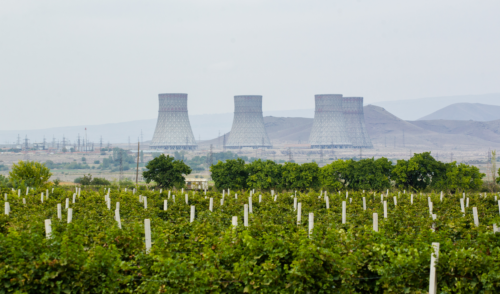
Education. Yerevan, Armenia hosted the first National Youth Nuclear Dialogue, Atom: Energy of the Future, organized by Rosatom and the Impact Team 2050 international youth advisory council. Students, young professionals, and representatives of youth organizations discussed the prospects for Armenia’s nuclear energy sector, its role in energy security, and reduction of carbon emissions. Experts spoke about the history and operation of the Armenian Nuclear Power Plant, while young participants in Rosatom’s international projects shared their professional development experiences. “It is crucial for the younger generation to understand the value and role of nuclear energy in ensuring energy security, independence, and sustainable development,” said Gagik Harutyunyan, a mentor at Impact Team 2050. The dialogue was part of a series of meetings held across 16 countries throughout September and October. Based on their outcomes, recommendations will be drafted to make nuclear careers more attractive to young people. The document is scheduled to be presented at the UN Climate Change Conference COP31 in Türkiye.
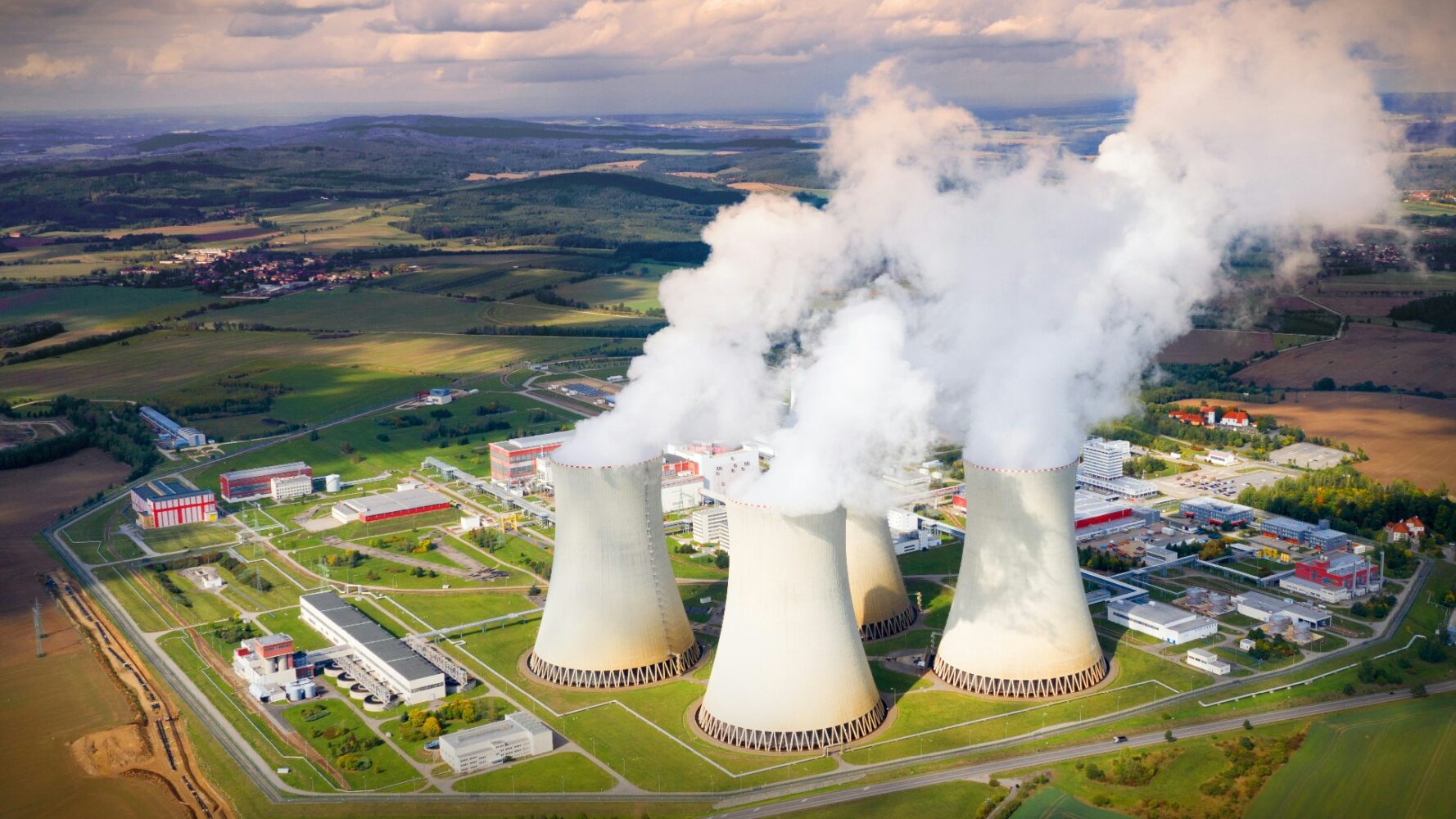
Technologies. The JET Engineering and Technical Center, part of Rosatom Service, has passed an audit authorizing it to supply simulators for the Paks II NPP in Hungary. The audit was conducted by experts from Atomstroyexport. The certificates obtained confirm the company’s capability to meet the nuclear project’s requirements and allow it to proceed with the design and manufacturing of full-scale and analytical simulators. The simulators are intended for the Paks II training center, where operators will learn to control power units under conditions as close to real operations as possible and practice responding to abnormal situations. The analytical simulator is scheduled for delivery in December 2027, and the full-scale simulator in spring 2028. JET equipment is already in use at overseas nuclear sites, including Tianwan in China, Kudankulam in India, Rooppur in Bangladesh, and El Dabaa in Egypt. The Paks II NPP is being built by Rosatom on a turnkey basis under a Russian-Hungarian intergovernmental agreement.