MBIR, a multipurpose sodium-cooled fast neutron research reactor, is drawing increasing interest from the international scientific community. This comes as little surprise: the reactor will have unparalleled specifications and enable never-done-before experiments.
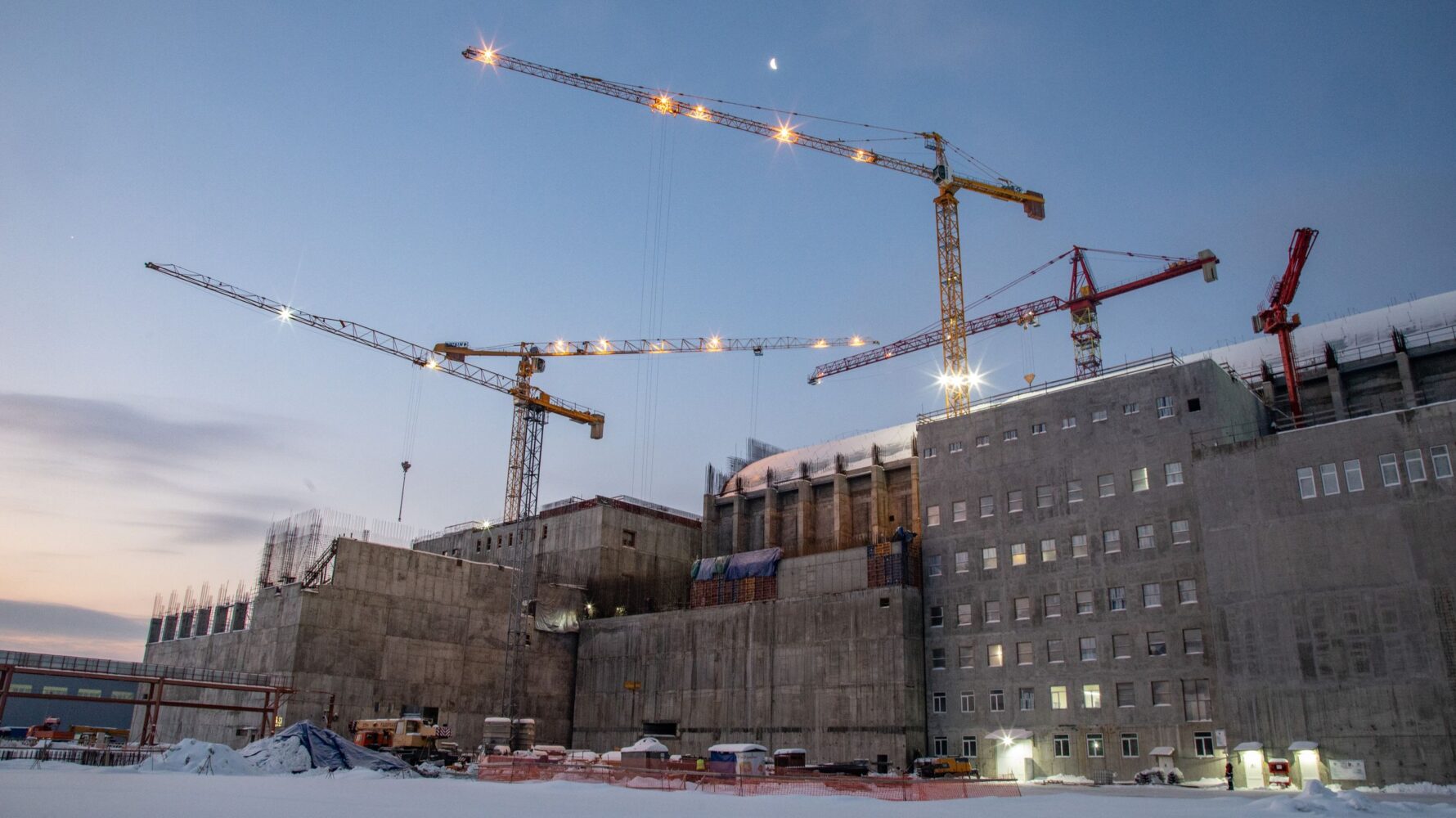
MBIR will be one of the most powerful research reactors in the world, with a thermal capacity of 150 MW. It is currently under construction at the site of a Rosatom research institute in Dimitrovgrad, Ulyanovsk Region. In 2025, cold trap filters were installed in the emergency heat removal system circuit; hot pipeline adapters were welded to the reactor pressure vessel and the first pipeline sections; and the main pieces of equipment were installed in the sodium storage building. A fuel handling machine, and steam and water flushing stands for spent fuel assemblies arrived at the site. In 2026, two emergency heat exchangers — each weighing 7.3 tonnes, standing 5 meters high, and measuring 1.5 meters in diameter — were installed in their design position, while the installation of primary circuit equipment is continuing.
Unrivaled opportunities
Experiments planned for MBIR aim to develop and improve technologies for two-component nuclear energy systems, build safe Generation IV facilities, and close the nuclear fuel cycle. Specifically, research plans include studies on structural materials and fuel compositions for liquid metal cooled reactors, molten salt reactors, high-temperature gas-cooled reactors, and other innovative designs. The reactor will also be used for isotope production.
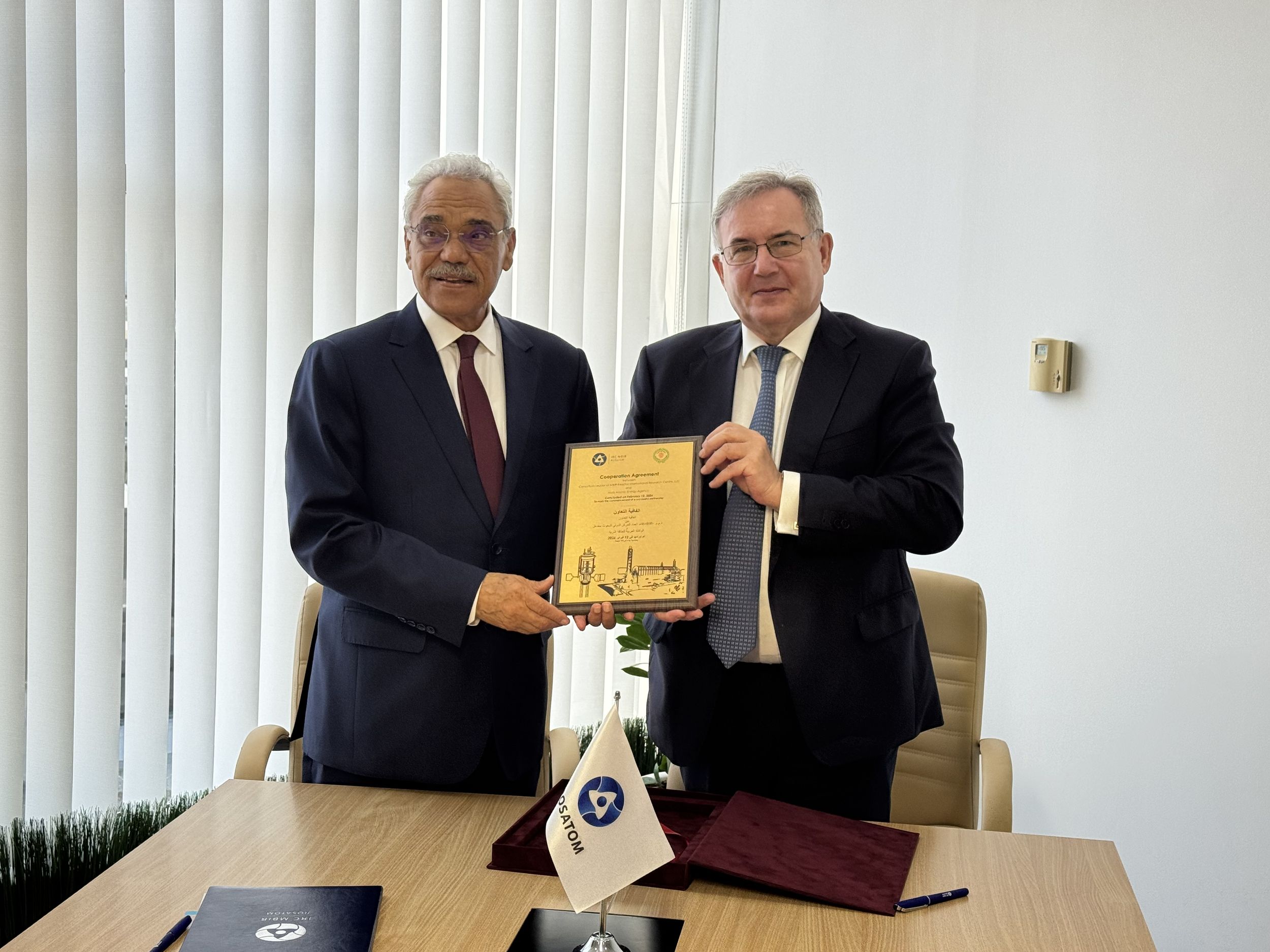
MBIR is the core facility of the International Research Center (IRC) consortium. Members of this consortium will receive priority access to the reactor’s capacity for conducting research. In July 2025, the Nuclear Physics Institute of the Uzbekistan Academy of Sciences joined the consortium, followed by the Chinese company Shanghai ZDAN International Co. in December. In February 2026, the Arab Atomic Energy Agency (AAEA) joined the project.
“This is an important step for us towards delivering on the Arab Strategy for the Peaceful Use of Atomic Energy. Signing the cooperation agreement provides us with an effective tool for implementing our key projects,” said AAEA Director General Dr. Salem Hamdi. The focus extends beyond applied or fundamental science to direct contributions to the economy and quality of life in Arab countries. “For example, our cooperation with the MBIR IRC will advance our project to establish a regional radioactive waste management system, which is critically important for environmental safety. Joint research at the MBIR reactor will provide us with new opportunities in developing and producing radiopharmaceuticals for the diagnosis and treatment of oncological diseases in healthcare,” said Salem Hamdi. Access to this research infrastructure will also enhance the expertise of instructors at the future Specialized Arab Training Center and provide technological support to countries implementing their first nuclear power plant projects. The members of the AAEA are 14 Arab countries: Bahrain, Egypt, Jordan, Iraq, Yemen, Kuwait, Lebanon, Libya, Mauritania, Palestine, Saudi Arabia, Sudan, Syria, and Tunisia.
The development of future research programs is already underway. In September 2025, the MBIR IRC Advisory Board held its regular meeting. Representatives of research centers and specialized organizations from 15 countries discussed joint research areas, experimental programs, and personnel training for the nuclear industry.
According to IAEA data, most of the research reactors worldwide were built in the 1960s and 1970s. Currently, over two hundred of them are in operation. Half of the world’s operating research reactors are over 40 years old, and about 70% are older than 30 years. It is evident that MBIR, a powerful new reactor, is best positioned to meet the growing demands of nuclear science in Russia and its partner countries.
Photo by: JSC SSC RIAR , Leader of the MTSI MBIR Consortium
This site uses cookies. By continuing your navigation, you accept the use of cookies. For more information, or to manage or to change the cookies parameters on your computer, read our Cookies Policy. Learn more