Nuclear fusion has hit the practical agenda of science and power engineering. Russia and China are among the key contributors to the major International Thermonuclear Experimental Reactor (ITER) project. Both countries are developing their national fusion programs in parallel. Here is an overview of the achievements and challenges in this field.
The development of nuclear fusion is a priority area for Russian researchers and engineers. In a speech made last year, Russian President Vladimir Putin noted that research in controlled thermonuclear fusion could provide a “qualitative leap for the domestic economy, and indeed for the entire civilization.”
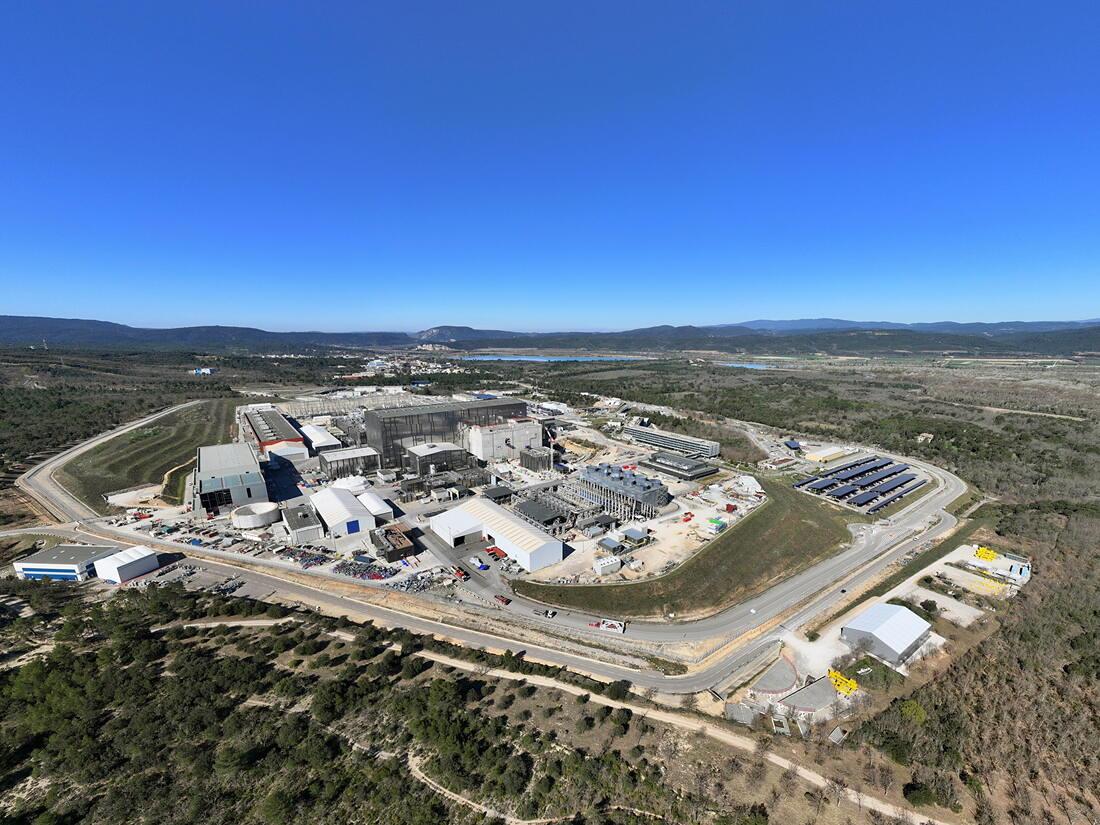
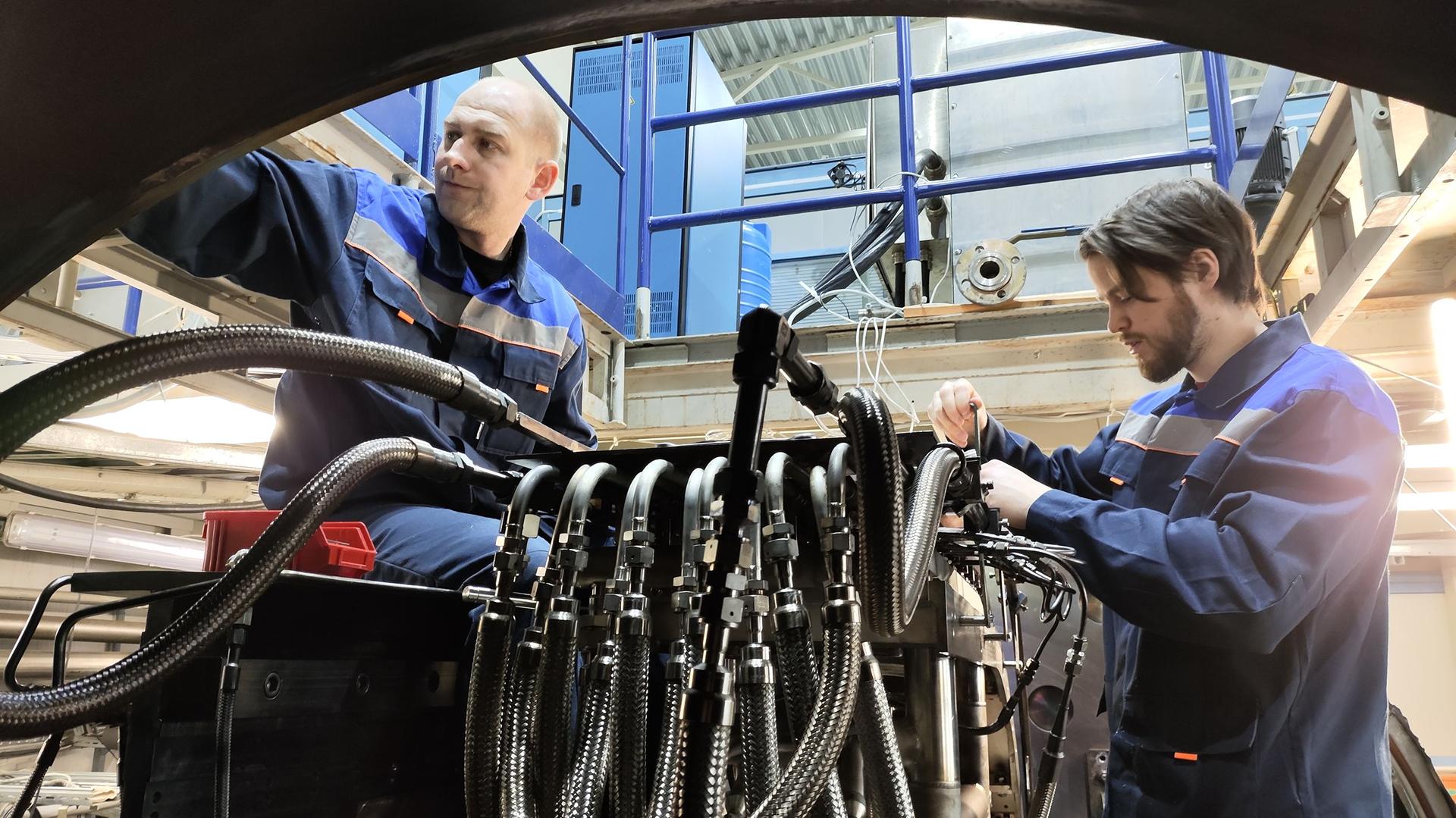
Alongside China, the US, the European Union, India, South Korea, and Japan, Russia is participating in the development of the world’s largest experimental thermonuclear reactor, ITER, which is under construction in France. The project aims to demonstrate the feasibility of using fusion reactions on a commercial scale and to refine the engineering solutions needed to build a commercial fusion power reactor in the future. Russia is making a crucial contribution to the project, manufacturing and supplying 25 extremely complex, high-tech equipment systems. The Rosatom-operated ITER Project Center acts as the Russian national ITER agency responsible for Russia’s in-kind contribution to the project.
China is another key participant in the ITER project. Speaking at the World Atomic Week in Moscow last year, Xu Guosheng, Deputy Director General of the Institute of Plasma Physics at the Chinese Academy of Sciences, emphasized the importance of international cooperation. “It is a great honor for China to participate in the ITER project. We have already been able to obtain and sustain plasma for extended periods, and we expect to achieve even greater success by 2028. China is not only a contributor to the project but also an active partner in joint research, developing new technologies. We are confident that thermonuclear fusion will soon gain momentum, and international cooperation is essential here,” noted Xu Guosheng.
Russia is actively advancing its national fusion program. The country has several operating tokamaks, particularly the T-15MD, the T-11, and the Globus-M2 spherical tokamak. A demonstration facility is also operated for educational purposes at the National Nuclear Research University (MEPhI), Rosatom’s flagship university.
The principal initiative of the Russian fusion program will be the construction of a new-generation thermonuclear facility, an unparalleled tokamak with reactor technologies (TRT). It will serve as a prototype for a commercial fusion power plant. The TRT aims primarily to refine the studies and technology that will underlie the development of fusion energy. The construction of the TRT, like other Russian advancements in controlled thermonuclear fusion, is supported by the government under the Thermonuclear Fusion Technologies federal program, which is part of the New Nuclear and Energy Technologies national technology leadership project launched last year.
Latest news
The latest achievements and challenges in nuclear fusion are traditionally discussed at the International Zvenigorod Conference on Plasma Physics and Controlled Thermonuclear Fusion, a major event for the global fusion community. This March, it was held in Russia for the 53rd time.
“Nuclear fusion is one of the priority development areas for Rosatom in cooperation with all the leading research centers in the country. We have long-established practices, groundwork, and knowledge, as well as vast experience in implementing the most innovative fusion projects, including our participation in the major ITER project. Today, we are advancing the domestic fusion program within the framework of the national project, creating a domestic infrastructure for fusion research,” Rosatom Director General Alexey Likhachev said while addressing the conference.
Anatoly Krasilnikov, Director of Rosatom’s ITER Project Center, noted significant progress in the construction of ITER. “The project is confidently entering the homestretch. In late January, well ahead of schedule, the fourth sector of the vacuum vessel was installed at the ITER construction site. As a key partner in the project, we also have undeniable achievements in terms of manufacturing and delivering our components for the future mega-facility,” Anatoly Krasilnikov said.
ITER Organization representative Alexander Alekseev shared details of the ITER construction. In 2023, problems arose during the assembly of the vacuum vessel sectors, and the equipment was sent for repair. According to Alexander Alekseev, four of the nine vacuum vessel sector modules have already been repaired and installed in the reactor hall. The commissioning of several key systems — power supply, cooling, and the cryogenic plant — is nearing completion. All poloidal and toroidal field coils, as well as the central solenoid modules and many other critical components, have been delivered to the construction site.
Russia-China collaboration
Rosatom Director General Alexey Likhachev emphasized that fusion researchers around the world are “destined for the deepest scientific cooperation.” Fusion experts from different countries communicate closely and share experiences, and this cooperation extends beyond the ITER project.
“We have very good relations with China,” Anatoly Krasilnikov said in an interview with the Strana Rosatom newspaper. “Cooperation agreements between Rosatom, the PRC Ministry of Science and Technology, and the Chinese Academy of Sciences are in the final stages of approval. Today, our Chinese colleagues are building the BEST tokamak. The superconducting machine will have a fusion power of 200 MW. They plan to launch BEST as early as next year. Naturally, we are interested in participating in this one-of-a-kind project.”
Photo by: ITER, People’s Daily China, JSC “D.V. Efremov NIIEF”