Russia and Vietnam have signed an agreement on the construction of a nuclear power plant. Dmitry Raspopin, Director of the Rosatom International Network office in Vietnam, explains the reasons behind the focus on nuclear energy and how Rosatom’s technologies can help.
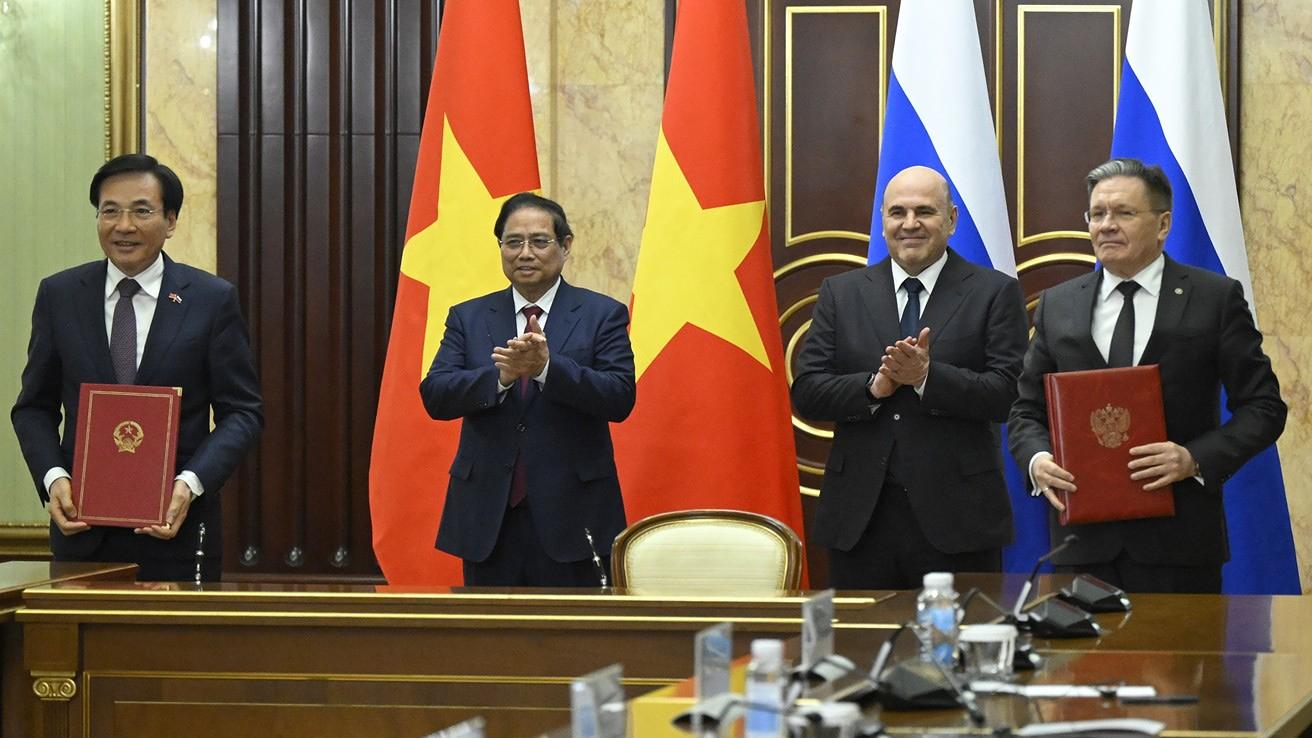
On March 23, during the official visit of Vietnamese Prime Minister Pham Minh Chinh to Moscow, Rosatom Director General Alexey Likhachev and Minister-Chairman of Vietnam’s Government Office Tran Van Son signed an intergovernmental cooperation agreement for the construction of the Ninh Thuan 1 Nuclear Power Plant in Vietnam.
Vietnam’s power sector is the second largest in the ASEAN region in terms of capacity. It is growing rapidly, but the situation is extremely tense. The grids are overloaded, the country is highly dependent on intermittent renewable energy sources, and capacity shortages occur during peak consumption. The authorities are taking measures to stabilize the situation. For instance, 3,900 km of power transmission lines were commissioned in 2025 as part of 260 grid upgrade projects. Adopted last year, amendments to Vietnam’s National Power Development Plan (PDP8, covering the 2021–2030 period with a vision to 2050) provide for up to USD 130 billion in investments by 2030.
Industrial electricity consumption is growing at about 12% annually, and demand is increasingly outpacing supply. Meanwhile, Vietnam’s GDP growth outstrips all other countries in the region, hovering around 7–8% annually, meaning electricity demand doubles every 10 years. The current 80 GW of capacity is woefully insufficient to meet all needs and fulfill Vietnam’s strategic objectives.
The most severe electricity challenges are in the northern regions, which are plagued by supply disruptions and rolling blackouts. State utility EVN is gradually deploying Battery Energy Storage Systems (BESS) to stabilize the situation but is urging households and industrial facilities to consume electricity sparingly.
Nuclear advantages
Nuclear energy provides, first and foremost, clean and stable baseload generation, minimizing the risk of blackouts. Nuclear power plants will help power everyday needs (lighting, household appliances, electric transport, etc.). Furthermore, nuclear plants will reduce dependence on imported coal and gas, and improve the environmental conditions. This is especially crucial for rural areas and growing cities where coal-fired thermal power plants pollute the air.
Nuclear energy will also support Vietnam’s export-oriented industries (electronics, textiles, and agriculture) — for example, enterprises like Samsung, Intel, Nike, and others that have long invested billions of dollars in manufacturing in Vietnam. Stable and reliable generation will facilitate the development of petrochemicals and other heavy industries. A well-supplied, diversified industry will make the national economy more competitive and, of course, will create new jobs in the energy and related sectors.
Nuclear power will also facilitate the transition to a new technological paradigm. Vietnam is actively attracting investments in data centers: Google, Amazon, Microsoft, and major local companies like Viettel, FPT, and CMC are building hubs here due to low construction costs and a rapidly growing market. These facilities require massive amounts of stable, low-carbon energy. Nuclear power, particularly small modular reactors (SMRs), is an ideal option for a stable source of electricity, and many market players are already seriously considering it.
Nuclear technologies also stimulate R&D and are used in the production of radiopharmaceuticals, agriculture (food irradiation), and environmental protection. In the long term, all this will enable Vietnam to become a regional leader in green and high technologies.
Political support
Given the growing power deficit, nuclear energy plays a key role in diversifying power generation and ensuring long-term energy security. After a pause that began in 2016, the country resumed its nuclear program in 2024 and integrated it into the updated PDP8. On March 18, 2026, the Vietnamese government approved the Strategy for the Development of Peaceful Uses of Atomic Energy until 2035 with a vision to 2050. The strategy stipulates that nuclear energy is one of the key drivers for the country’s long-term development, aimed at enhancing technological independence, modernizing industry, and improving the quality of life.
The Ninh Thuan 1 project (named after the province where the nuclear power plant will be built) is scheduled for implementation by 2035. The intergovernmental agreement signed by Russia and Vietnam sets up the terms and key areas of bilateral cooperation related to the construction of a two-unit nuclear power plant equipped with VVER-1200 reactors and a total capacity of 2,400 MW. The Leningrad II NPP (Units 1 and 2) was selected as the reference project for the Vietnamese facility. The document establishes the necessary legal framework for the plant’s construction and defines the vector of Russian-Vietnamese nuclear cooperation for decades to come.
The commissioning of another 8 GW of nuclear capacity is planned by 2050, including through the use of SMRs. Nuclear power is viewed as a green energy source that contributes to reducing CO2 emissions and achieving carbon neutrality by 2050, making it a strategic priority for the country.
Nuclear energy enjoys strong political support. For instance, Prime Minister Pham Minh Chinh heads the National Steering Committee for Nuclear Power. He has repeatedly noted that the Ninh Thuan 1 construction project is a national priority of strategic importance.
The leadership of the Communist Party of Vietnam, represented by General Secretary To Lam, also supports nuclear power. Through resolutions and decrees, the Political Bureau of the Communist Party is stimulating the accelerated deployment of nuclear energy. The National Assembly has approved the resumption of the Ninh Thuan 1 and 2 projects and passed a new Law on Atomic Energy, which entered into force in 2026.
Public support
The Vietnamese public’s attitude toward nuclear energy ranges from skeptically neutral to passive acceptance. The lingering fears following the Fukushima accident in Japan are still noticeable. However, there are no serious protests.
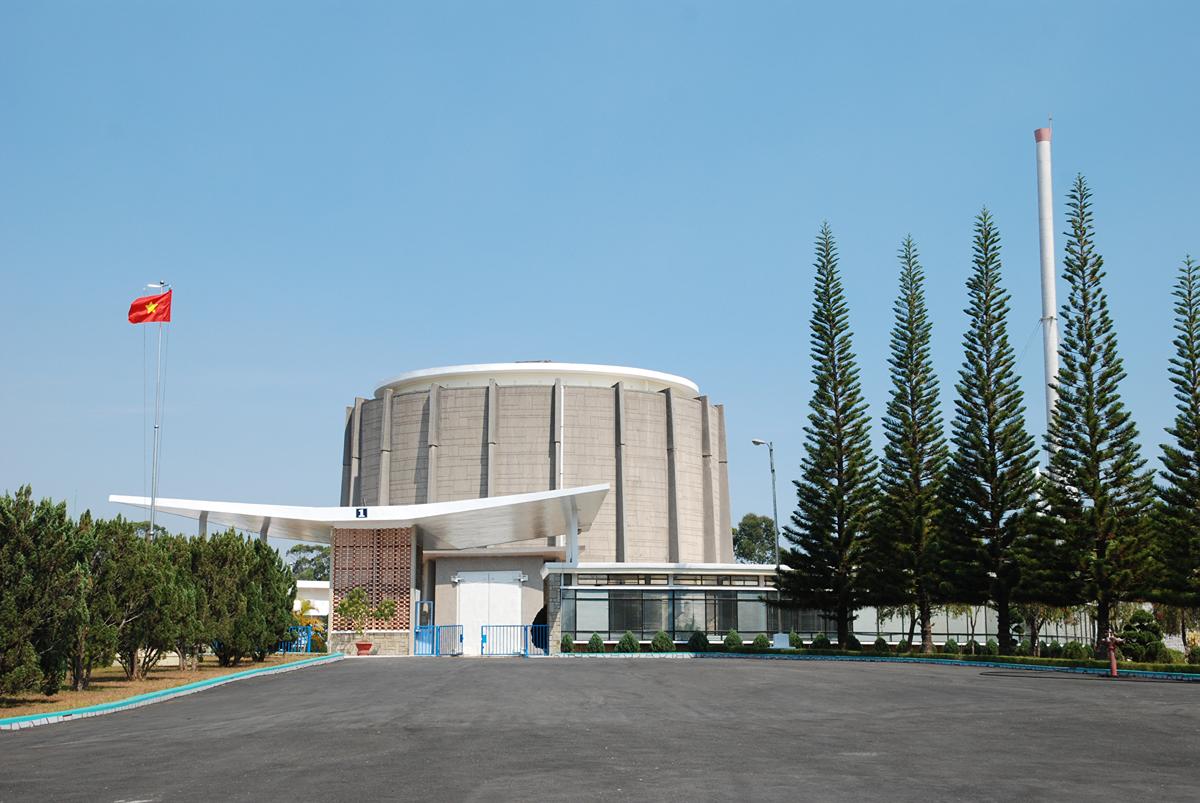
The government is actively promoting nuclear technologies. For the third year now, it has been informing the country’s residents, especially in Ninh Thuan Province, about the safety of nuclear power plants and the benefits they bring. The Ministry of Science and Technology, the Ministry of Industry and Trade, EVN, and the leadership of the People’s Committees in Ninh Thuan and Khanh Hoa provinces are publishing media materials and developing online resources dedicated to nuclear technologies. Many events are being held, such as the Vietnam Conference on Nuclear Science and Technology (VINANST-16) organized by the Vietnam Atomic Energy Institute (Vinatom), Science and Atom Days festivals (joint projects of Rosatom and the Russian House), the Global Atomic Quiz, and HackAtom, organized directly by the Russian nuclear corporation. Furthermore, work is underway on conducting the feasibility study for the Nuclear Science and Technology Center (NSTC) in Dong Nai Province.
Russian capabilities
Vietnam is showing great interest in innovative radiopharmaceuticals, new materials, and additive technologies. The latter are needed in the oil and gas industry, shipbuilding, energy, and medicine. Vietnamese partners are interested in developing energy storage technologies, and building an end-to-end value chain in wind energy, including the production of magnets for wind turbines. Other areas of interest include data center development, digital twins and simulators for the nuclear and power industries, logistics, and environmental solutions — given the challenging situation with air quality and waste management in various provinces, including the capital. Rosatom is ready to share its expertise with Vietnamese colleagues in all these areas, as the corporation possesses a wide range of relevant experience and competencies.
Educational progress
To sustain economic growth, Vietnam is reforming its education system. For instance, legal amendments came into effect on January 1, 2026: teachers’ salaries are being raised, and a unified set of textbooks is being introduced. Currently, 90% of schools have access to the internet, with the immediate goal being 100%. “Professional secondary schools” have become part of the vocational education system. Students can study there for 3–4 years after junior high school (9th grade) or 1–2 years after high school (12th grade), combining general education with practical vocational training.
About 98% of children attend primary and secondary schools and, as rankings show, they perform well. However, there are challenges as well: a large gap exists between the quality of urban and rural education; old teaching methods prevail in some Vietnamese provinces, and there is a shortage of qualified teachers.
Together with Russian universities
Cooperation with Russian technical universities is expanding rapidly. The year 2026 has been declared the Year of Russian-Vietnamese Science and Education. Rosatom and its flagship universities are actively involved in these activities. For example, more than 400 Vietnamese students have already been trained in nuclear physics and reactor engineering at the National Nuclear Research University (MEPhI) and the Moscow Power Engineering Institute (MPEI). An internship system is in place, and joint laboratories operate with the Hanoi University of Science and Technology (HUST). Here is another example: in February of this year, the Tomsk Polytechnic University (TPU) and Rosatom held a Career Day for graduating Vietnamese students. TPU also plans to open new laboratories and launch new courses on sustainable energy for the joint Russian-Vietnamese science and education programs. The focus will be on training technical staff for the nuclear power plant, the NSTC, and data centers.
In line with traditions
As in many Asian countries, ambiguity is preferred over directness in Vietnam. “Yes” can mean “maybe, if we build trust.” A direct “no” is very rare; more often you will hear “it is difficult” or “we will think it over.” Therefore, one must be able to read between the lines, avoid direct confrontation with a partner to prevent a “loss of face,” and have immense patience and respect for the local cultural specifics.
Consequently, communication is unhurried. Because the process is no less important than the result, it will take more than one meeting to build trust. Following negotiations, informal socialization over lunch or dinner is a must.
Business culture includes presenting small, memorable souvenirs at welcoming meetings and in honor of festive events. Another extremely important component of etiquette is showing respect for elders, even if they are lower in status. Small but significant gestures of respect matter: business cards should be presented with both hands, and upon receiving one, it should not be put away immediately but demonstratively studied as a sign of respect.
The Vietnamese are superstitious about numbers. Four and 13 are unlucky; they are often skipped in building floor numbers and airplane rows. Six and eight, conversely, are lucky. The seventh lunar month (most often July) is considered unlucky, so during this period, Vietnamese people try to avoid closing major deals or making large purchases. This should be taken into account when preparing for meetings or signings with Vietnamese partners.
Photo by: The newspaper “Strana Rosatom”, Vietnam Institute of Nuclear Research, Press Service of the Government of the Russian Federation, Leningrad NPP
This site uses cookies. By continuing your navigation, you accept the use of cookies. For more information, or to manage or to change the cookies parameters on your computer, read our Cookies Policy. Learn more