The World Nuclear Association (WNA) has published its inaugural World Nuclear Investment Guide (hereinafter the Guide). In it, experts estimate the industry’s investment needs through 2050 at USD 6 trillion, outline the primary obstacles hindering capital allocation, and provide recommendations on what it takes for a nuclear project to secure funding.
As noted in the Guide, nuclear energy is becoming a cornerstone of national energy strategies after decades of uneven development. Three key factors are driving this trend. The first is the growing demand for clean and reliable electricity. The second is the imperative for national governments to ensure energy security. The third is the surge in power demand driven by electrification, industrial expansion, and the proliferation of data centers.
According to forecasts by the International Energy Agency (IEA), electricity demand between 2026 and 2030 will grow 50% faster than in the previous decade, the report notes.
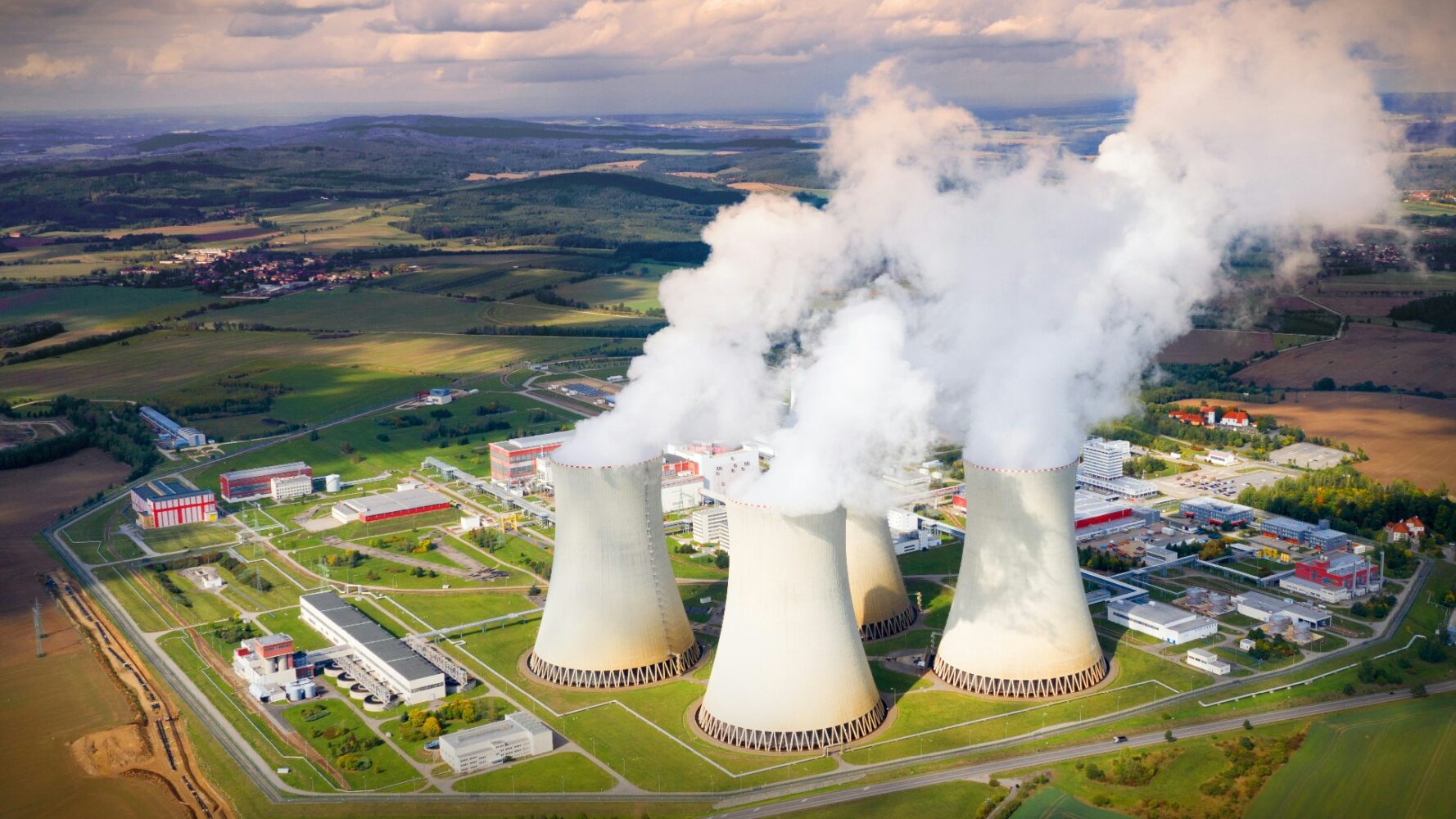
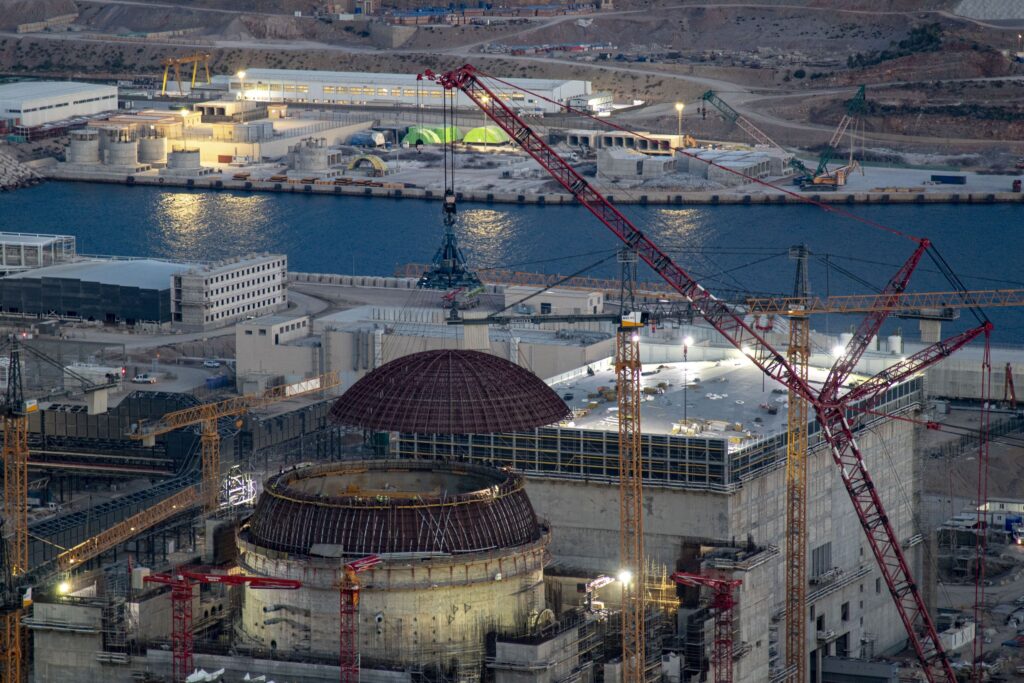
Based on WNA estimates and stated government plans, global nuclear capacity could reach 1,446 GW by 2050. Fifty countries plan to build nuclear power units (currently, nuclear power plants operate in only 31 countries). As of mid-2026, 80 units are under construction, and over 100 are planned or on order.
Commissioning and operating 1,446 GW of nuclear capacity will require nearly USD 6 trillion in investment over the next 25 years, averaging USD 250 billion annually. This is three times the current level of nuclear investment (USD 80 billion per year), yet represents just 2.6% of the USD 235 trillion required for the global energy transition. The Guide targets the nuclear industry toward attracting commercial financing: “Mainstream finance is presented here as the target model, but it is not the only viable model; many mature financing frameworks co-exist in support of nuclear technologies, and not all require sustained access to private capital markets.”
The lion’s share (90.5%) of the nearly USD 6 trillion required over the next 25 years is allocated to nuclear power units. Specifically, over USD 3.54 trillion is needed to build large-capacity units, and over USD 1.52 trillion for small modular reactors. An additional USD 222 billion is required to support the long-term operation of existing units. Investment in the nuclear fuel cycle is comparatively modest at USD 240 billion. According to WNA experts, USD 85 billion will be invested in mining by 2050, USD 20 billion in conversion, USD 99 billion in enrichment, and USD 36 billion in fuel fabrication. The back-end management will account for 5.5% of total investment: USD 203 billion for decommissioning and another USD 117 billion for interim storage. All estimates are expressed in overnight costs and exclude interest during construction.
For these investments to materialize and the units to be built, long-horizon political support and a fundamental improvement in the investment readiness and capital market presentation of nuclear power projects are essential, the Guide says.
Legal foundation
The Guide outlines the legal prerequisites for financing nuclear projects. Crucially, the host country must have a nuclear liability law in place; otherwise, investors and insurers cannot accurately assess risks. The law must clearly define operator liability and ensure access to the insurance market to cover nuclear incidents. “Adherence to the international nuclear liability conventions (Paris Convention/Vienna Convention and their supplementary compensation protocols) provides an internationally recognized baseline,” the Guide notes.
The host country must also have an independent regulator equipped with resources, authority, and expertise to issue permits and licenses through a clear, predictable approval process. Predictable licensing timelines are among the most critical indicators of a project’s feasibility and bankability, the authors explain.
The project owner and operator must be legal entities with transparent corporate governance structures and financial reporting. “Legal uncertainty about ownership, liability or regulatory jurisdiction creates risk that is not insurable and not priceable, and therefore not financeable,” the Guide states.
Roots of mistrust
Nuclear projects and their stakeholders must inspire confidence among investors. However, achieving this is no easy task. “Compared with other mature infrastructure asset classes, nuclear lacks a standardized body of public data covering industrial, technical, commercial, regulatory and financing outcomes. This makes it harder for investors to benchmark projects and assess risks,” the report notes, highlighting a core challenge for the industry that must be addressed. “Nuclear will become a mainstream asset class not just through better projects and policies, but through co-development by industry and finance of the expertise and tools to assess and finance nuclear opportunities with greater speed and confidence,” said Dr. Sama Bilbao y León, Director General of the World Nuclear Association.
The authors of the Guide identified six parameters designed to enhance the appeal of nuclear projects to investors:
– Institutional support (timely decision-making and a continuous project pipeline in a growing nuclear sector).
– Standardization of reactor designs and supply contracts, alongside the harmonization of regulations across countries. Small modular reactors offer an ideal testing ground for these standardization efforts.
– Clear revenue mechanisms (long-term power purchase agreements, contracts for difference, etc.).
– Bankable risk that can be modeled, priced, and adjusted as new projects are deployed and market confidence grows.
– Mature supply chains.
– Liquid markets with the ability to enter and exit projects at various stages of development.
Comprehensive readiness
Investor caution is often triggered by insufficient maturity in one of three key project dimensions: technical, financial, and execution readiness.
The ideal scenario for a final investment decision requires the underlying technology to be at TRL-9 (proven in commercial operation), with licenses and contracts secured, comprehensive assessments and independent due diligence completed, safety measures implemented, and the organizational development plan aligned with technical and financial readiness programs. Regulatory licenses for construction and operation must either be issued prior to financial close or have highly predictable issuance timelines. Investor confidence is further bolstered by signed contracts —such as engineering, procurement, and construction (EPC) agreements and long-lead equipment supply contracts — as well as a clear understanding of the project’s governance structure, team commitment, future tariff regulations, projected power revenues, creditor rights, and other key variables.
The authors emphasize that investment attractiveness and debt serviceability are complementary, not interchangeable, and outline specific requirements for securing both debt and equity financing. Equity investors, for instance, focus on exit strategies, such as cash flow distributions, refinancing, or secondary market sales. Lenders, conversely, scrutinize capital adequacy ratios, debt-to-equity ratios, reserve accounts meeting lender-mandated thresholds, and insurance coverage.
As a benchmark, the Guide provides creditworthiness metrics for nuclear projects, calculated using publicly available data on the financing of nuclear and comparable infrastructure projects. However, it notes that transactions in emerging markets or those backed by multilateral development banks may employ different coverage ratios and additional credit enhancement mechanisms, such as political risk insurance, sovereign guarantees, and robust reserve accounts.
To facilitate engagement with investors, the Guide introduces two practical tools. An investment readiness tracker allows project sponsors to verify whether all prerequisites for project presentation are in place. Additionally, a comprehensive checklist of investor documents and services — ranging from a brief teaser to a fully equipped data room — helps streamline communications at every stage of project development.
This site uses cookies. By continuing your navigation, you accept the use of cookies. For more information, or to manage or to change the cookies parameters on your computer, read our Cookies Policy. Learn more