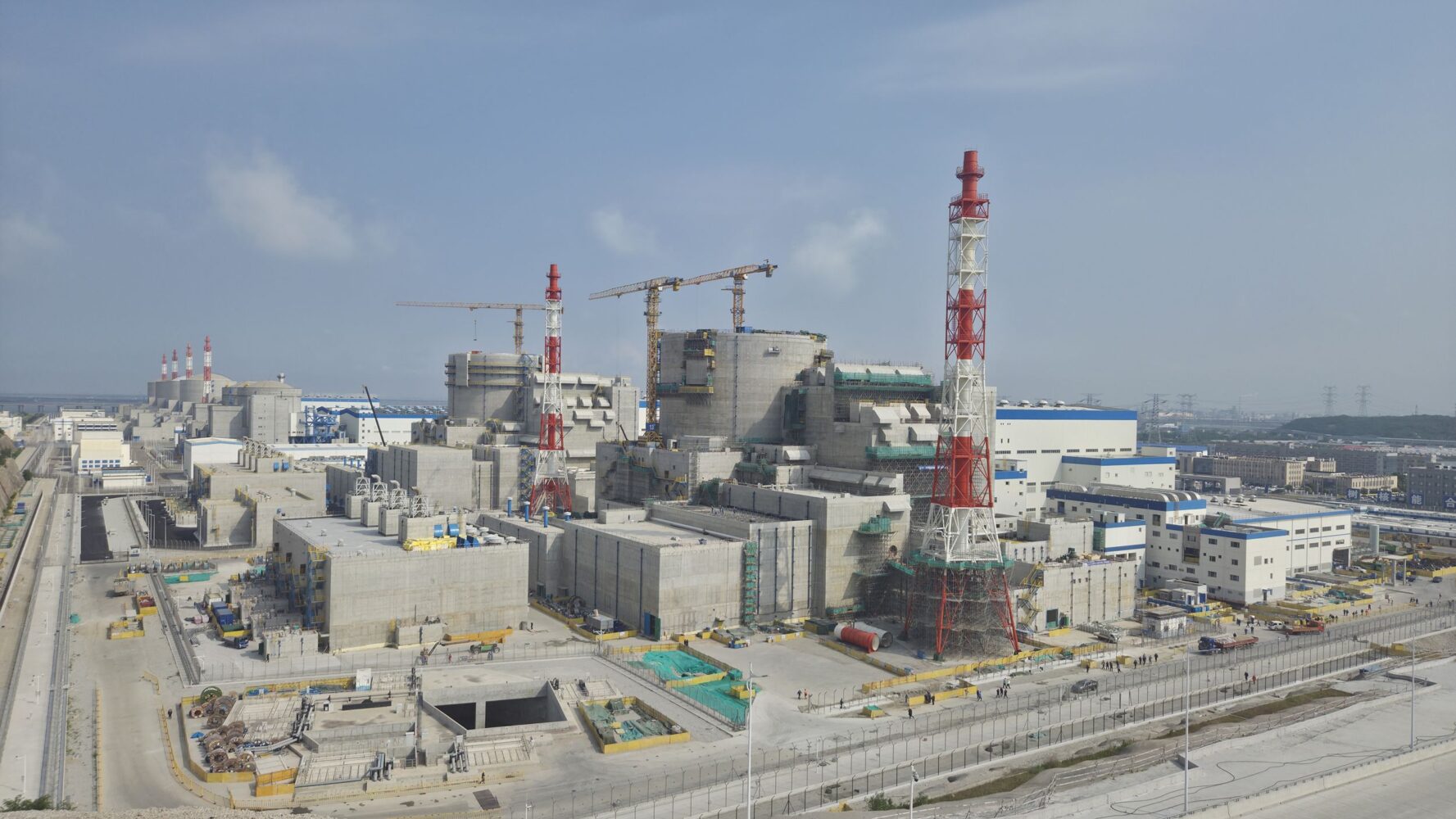
On August 12, 2026, the start-up process began for Unit 7 of China’s Tianwan Nuclear Power Plant, currently under construction with Rosatom’s input. The first fuel assemblies were loaded into the reactor core. This milestone brings another unit at one of China’s largest nuclear power plants closer to grid connection. Three more units — Tianwan 8, and Xudabao 3 and 4 — are next in line.
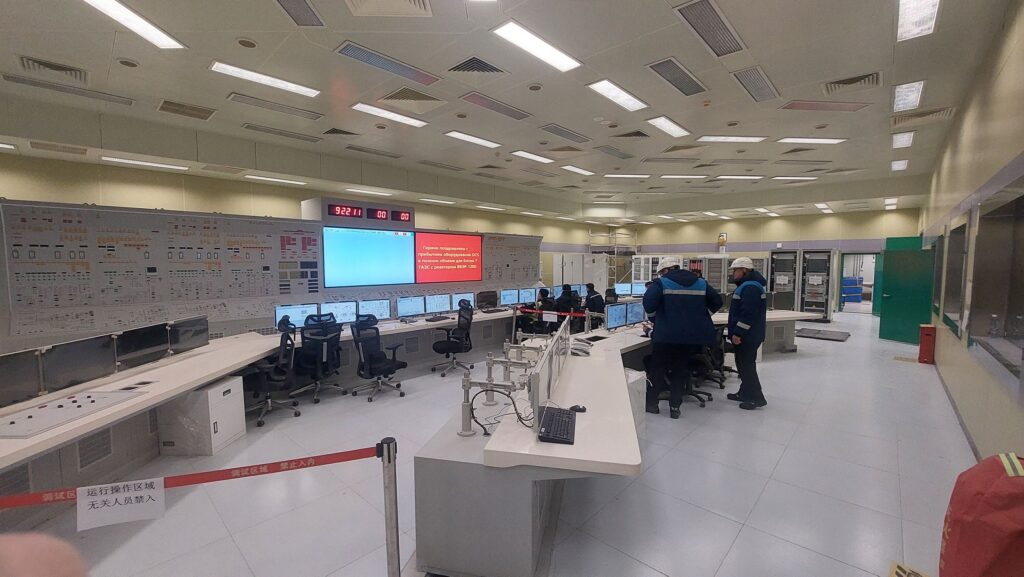
“Startup operations have commenced at Tianwan Unit 7, marking a key milestone in the project’s implementation. Following hydraulic tests and heat-up, the reactor will be gradually brought to zero-power criticality to verify and test the performance of the control and protection systems, as well as the neutronic properties of the nuclear fuel. When all these stages are completed, the plant will proceed to the first electricity phase, which includes synchronization of Unit 7 with China’s power grid,” said Alexey Bannik, Vice President for Chinese and Advanced Projects at AtomStroyExport. Following grid synchronization, the unit’s power output will be increased step-by-step to 100%.
Also in August, cold functional testing was completed on the equipment of Unit 8 as part of the commissioning program, with preparations now underway for hot functional testing, which will commence this autumn. The reactor is scheduled to go critical in 2027.
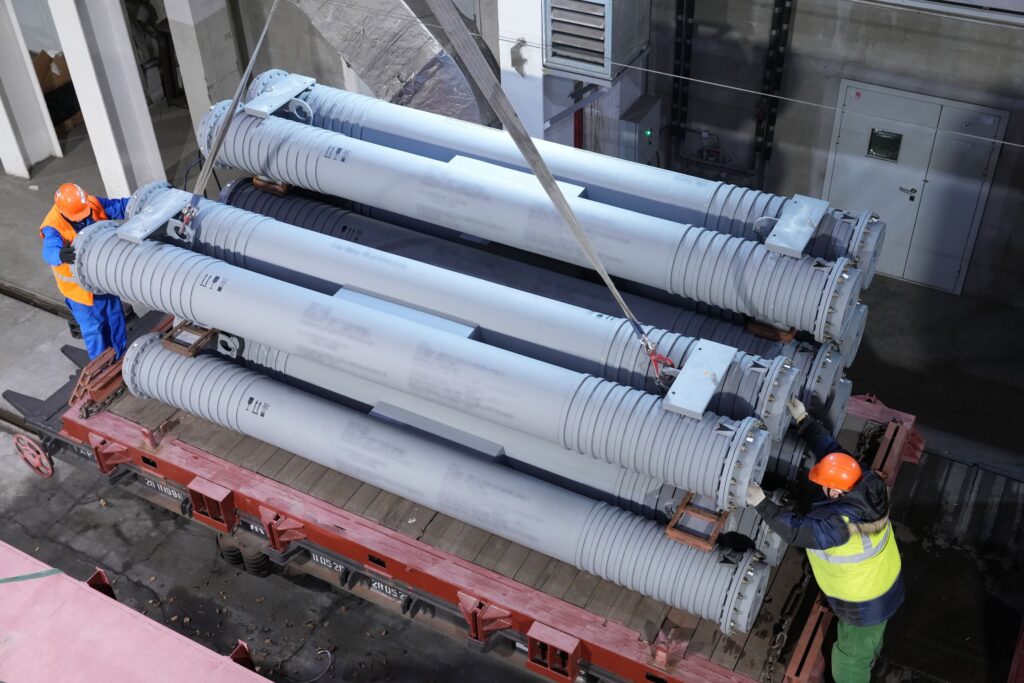
The Tianwan Nuclear Power Plant is the largest economic cooperation project between Russia and China. Four Russian-designed VVER-1000 units at Tianwan are already supplying millions of kilowatt-hours of electricity to the national grid. In 2018, an intergovernmental protocol and a framework contract were signed for the construction of Units 7 and 8 equipped with VVER-1200 reactors. Under these agreements, Russia designed the plant’s nuclear island and is supplying key equipment for both units, while also providing design supervision, installation oversight, and commissioning support. Construction of Tianwan Unit 7 and Unit 8 started in 2021.
Progress at Xudabao
Rosatom is also participating in the construction of two VVER-1200 units at the Xudabao Nuclear Power Plant. At Unit 3, hot functional testing of the equipment was completed in early June, and engineers have since begun equipment inspections. In August, the Kurchatov Institute and the Specialized Research and Design Institute for Instrumentation Engineering (SNIIP, part of Rosatom) successfully completed the first phase of integration testing for the control, management, and diagnostic system supplied by the institute, alongside the main control system. Unit 3 is scheduled to proceed to first criticality by the end of 2026.
Equipment installation at Unit 4 is nearing completion, with cold functional testing scheduled to begin before the end of the year. Nuclear fuel loading into the reactor is expected in the second half of 2027.
Broader cooperation
Russian and Chinese nuclear professionals are also collaborating on the development and deployment of fast neutron reactor technologies. Notably, Rosatom’s fuel division has supplied fuel for the initial core loading of the CFR-600 fast reactor.
Scientific collaboration is also expanding. In December 2025, Shanghai ZDAN International Co. joined the International Research Center consortium, which will operate the MBIR multipurpose fast neutron research reactor, as a core member. In April of this year, the Institute of Plasma Physics at the Chinese Academy of Sciences signed a cooperation agreement with the consortium’s lead organization.
Mutual interest also extends to logistics, particularly cargo shipping via the Northern Sea Route. Chinese companies were the first to launch regular container transit services between Chinese and Russian ports. Furthermore, the two countries are actively cooperating in nuclear medicine and materials science.
Photo by: ASE JSC; NCCP