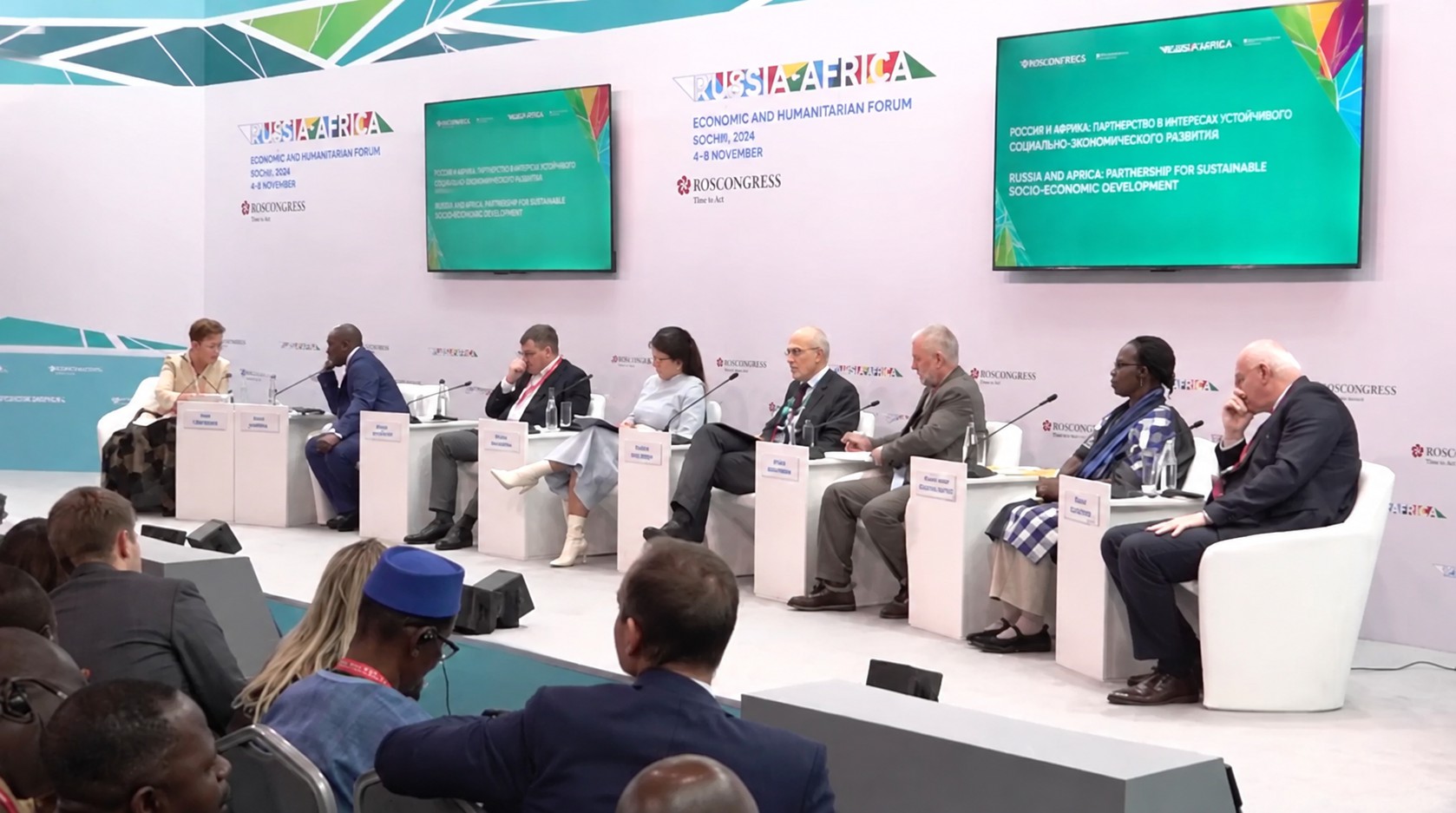
On October 28–29, Moscow hosted the 3rd Russia-Africa Summit, with Rosatom serving as title partner. The corporation signed three cooperation documents with Togo, Uganda, and Rwanda on the sidelines of the summit, while at the sessions, Rosatom executives discussed key priorities for African nations, including power and water supply, nuclear infrastructure development, deployment of floating power units, and workforce training for the nuclear industry.
Signed documents
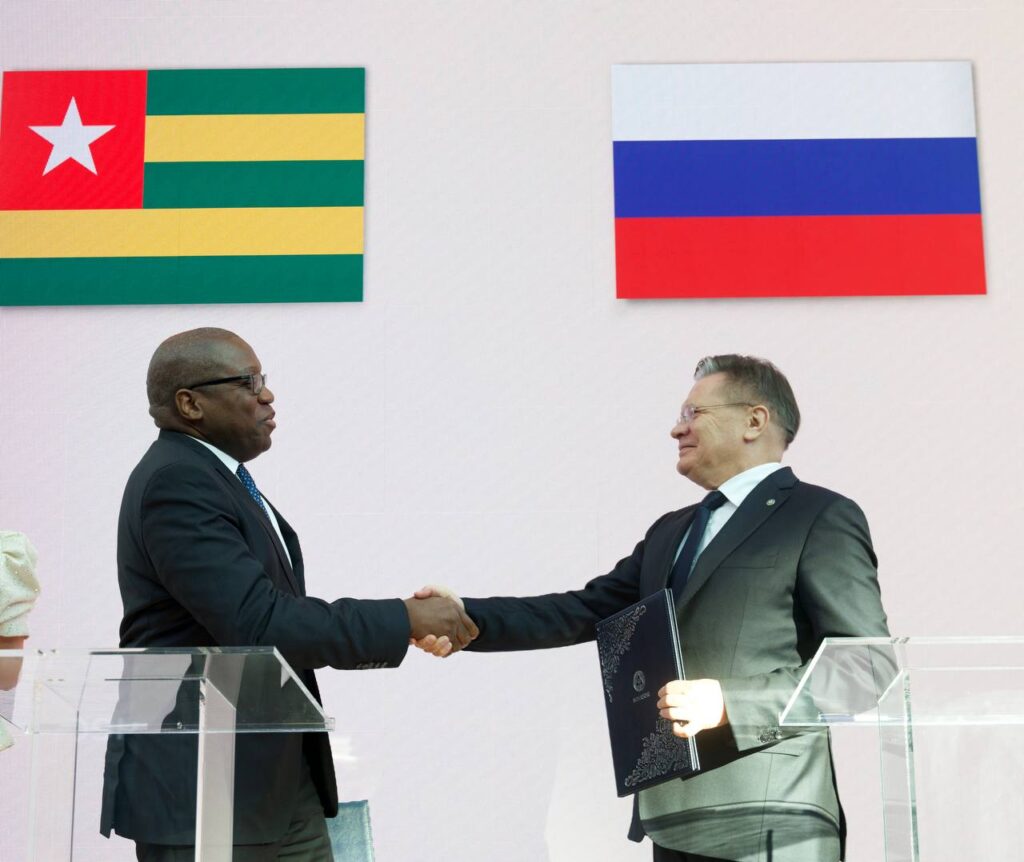
Rosatom Director General Alexey Likhachev and Togo’s Minister-Delegate for Energy Robert Koffi Messan Eklo signed a memorandum of understanding on cooperation in the peaceful uses of nuclear energy. The two parties plan to establish working groups to assess the feasibility of projects involving energy and non-energy applications of nuclear technologies, and to define steps aimed at developing workforce capacity and building public support for nuclear energy in Togo.
“We are ready to offer our partners solutions in energy, healthcare, and agriculture. One promising avenue is floating nuclear power units for reliable, low-carbon power supply. We will also assist with workforce training and nuclear infrastructure development. For Togo, nuclear technologies can serve as a powerful driver of socioeconomic development and improved quality of life,” Likhachev commented.
Rosatom also signed a roadmap with Uganda’s Ministry of Energy and Mineral Development. The document sets out plans to review Uganda’s nuclear infrastructure needs and outline the steps that will lead to negotiations on a site survey contract for the proposed nuclear power plant in the country’s Nakasongola District.
A third agreement, a memorandum of understanding with the Rwanda Atomic Energy Board, commits the two parties to identifying the national nuclear infrastructure needs and development priorities. “We are jointly working on projects for a small modular reactor (SMR) plant and a Nuclear Science and Technology Center, and we are training local professionals. We see our role as helping Rwanda build a solid foundation for the peaceful uses of nuclear energy to benefit the country’s energy sector, science, and economy,” Likhachev noted.
Floating Power Units and Water Desalination
The session titled “Nuclear Technologies in Africa: Gaining Momentum for the Future” covered the first steps a country takes in establishing a nuclear industry, the use of national expertise and resources, and the potential of nuclear technologies in energy, nuclear medicine, agriculture, and science. Floating power units received particular attention: following the signing of the world’s first export agreement for electricity supply from such units in Indonesia, Rosatom is seeing strong interest in the technology across Africa.
“Nuclear power in Africa has moved from discussion to construction, and that is exactly what we are talking about with Rosatom today. Let us now move to transformation: electricity for our homes, medicine for our hospitals, jobs for our young people, and sovereignty for the continent,” said session moderator Lassina Zerbo, chairman of the Rwanda Atomic Energy Board and advisor to the President of Rwanda.
At the session titled “Clean Water for the Countries of the African Continent: The Socioeconomic and Technological Dimension,” Ksenia Sukhotina, CEO of Rosatom Infrastructure Solutions, outlined Rosatom’s approach to building integrated water-and-energy clusters that simultaneously address water and power supply needs. Integrating electricity generation and desalination capacity reduces the cost of water treatment and ensures guaranteed offtake for the power generated. “Water can act as a natural battery. During the overnight dip in power demand, the cluster redirects capacity to desalination and pumps water into storage tanks. This balances the grid and reduces the need for extra energy storage. In addition, shared engineering services, laboratories, and digital resource management lower operating costs,” Sukhotina said.
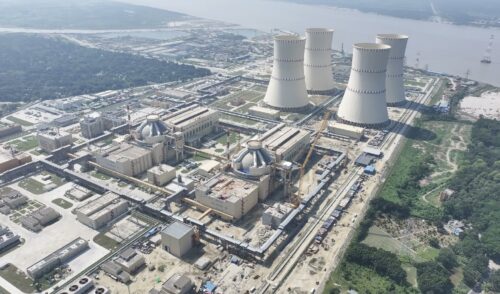
Russia’s nuclear industry has decades of experience with such integrated projects. In the Soviet era, the BN-350 fast-neutron reactor plant diverted part of its power output to desalinate Caspian seawater for the city of Aktau. In 2025, an advanced desalination complex was commissioned at the Akkuyu NPP in Türkiye, and a similar facility is being planned for the El Dabaa NPP in Egypt.
The session “The Mission of Women in Russia and Africa in Building Trust and Global Cooperation” focused on expanding women’s participation in nuclear energy, including in technical and leadership roles. “By pooling the experience and resources of our countries, we can create new opportunities for women at every stage of their careers in the nuclear industry,” emphasized Elsie Pule, chief coordinator of the BRICS Nuclear Platform.
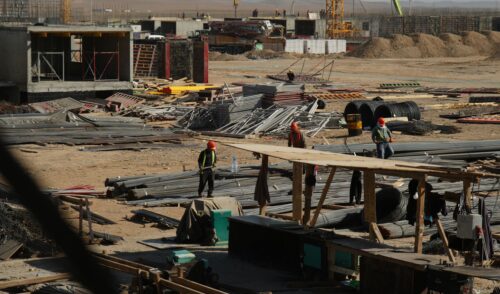
Rosatom cooperates with 29 of Africa’s 54 countries. Its largest project on the continent is the four-reactor El Dabaa Nuclear Power Plant in Egypt. The Russian nuclear corporation is also pursuing mining projects in Tanzania, Namibia, and Mali. Under its education programs, 370 students from 26 African countries are studying in Russia, with more than 100 additional students from 17 countries expected to enroll next academic year. Since the launch of the program for nuclear and related disciplines at Russian universities, around 1,000 study places have been allocated in total.
Photo by: Strana Rosatom newspaper, Rosatom Infrastructure Solutions, Kirill Kazachkov