The Proryv (Russian for breakthrough) Project has taken a couple more steps closer to its goals. Key components for the primary circuit of the BREST-OD-300 reactor have been delivered to the construction site of an experimental power generation facility (abbreviated ODEK in Russian) in Seversk, Tomsk Region. Besides, an analytical laboratory was commissioned at the fuel fabrication/refabrication module, which is also part of ODEK.
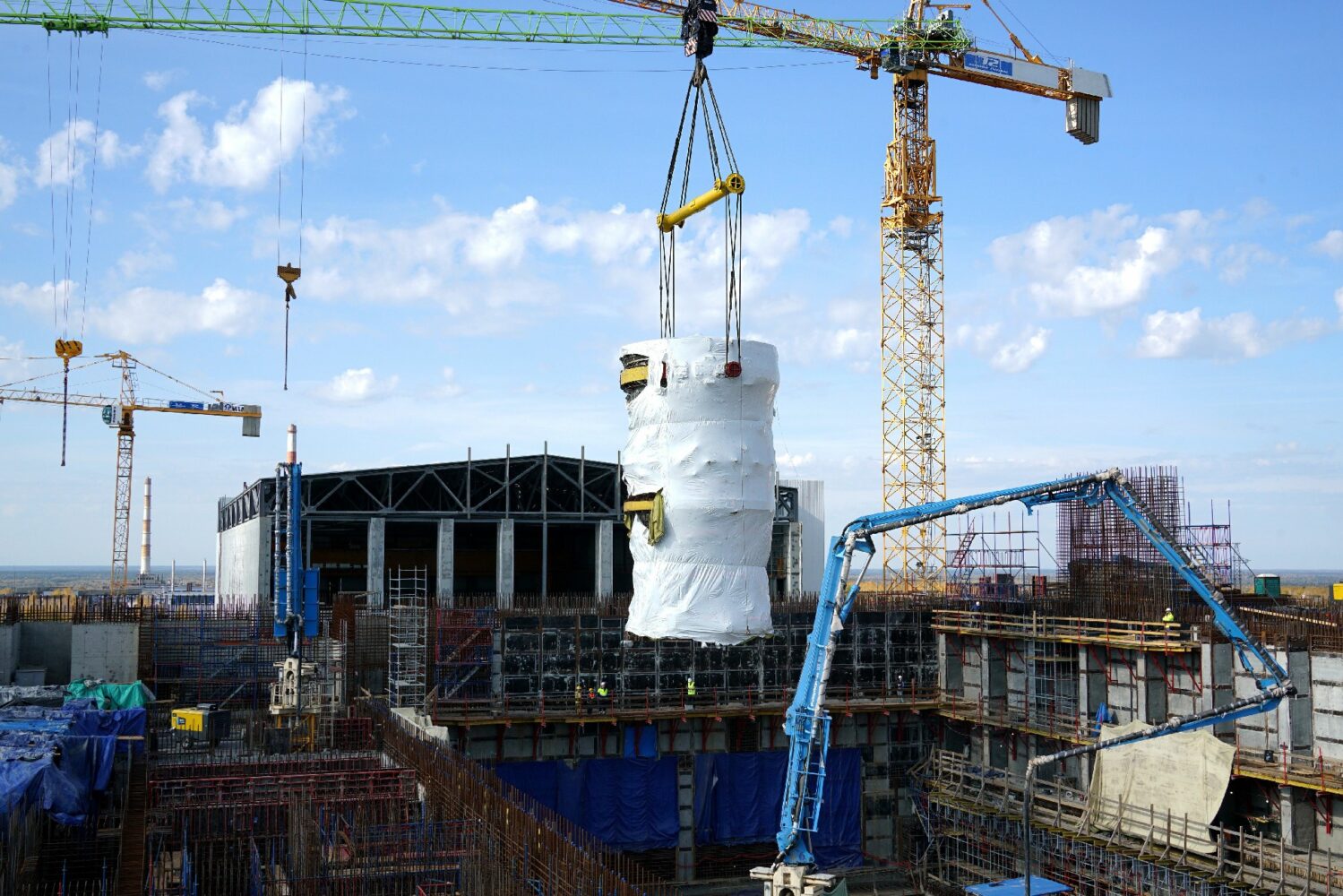
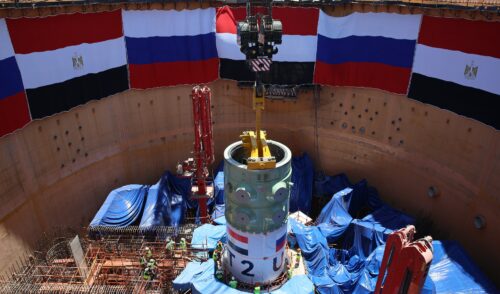
In September, key components for the 300 MW BREST-OD-300 demonstration lead-cooled fast reactor were delivered to the ODEK construction site at the Siberian Chemical Plant. These include a steel casing for the reactor’s central cavity, an inner shell for the core basket, and the first of the peripheral cavity casings. There are four such casings in total. All these components were manufactured at the production facilities of Rosatom’s Mechanical Engineering Division.
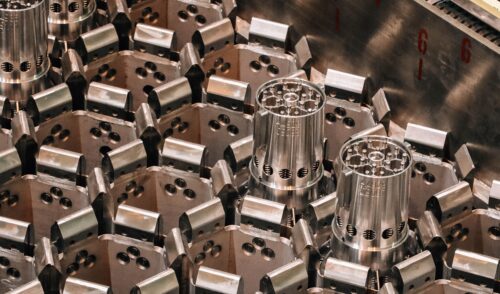
It needs to be explained that the design of BREST-OD-300 differs from that of traditional light-water reactors. While a light-water reactor is, very basically, a steel barrel, the BREST-OD-300 is a complex steel-and-concrete system with multiple cavities. The core basket will be housed in the main cavity, where the fuel assemblies will operate and the chain reaction will occur. The four peripheral casings will contain the main circulation pump, two steam generators, and the emergency core cooling system heat exchanger. The space between these cavities will be gradually filled with concrete during construction.
The dimensions of the BREST-OD-300 reactor vessel are larger than that of a light-water reactor, so it can only be delivered to the site in sections. The reactor will be assembled on-site. It took two months to transport the components along Russian rivers and via the Northern Sea Route. At the port of Samus on the Tom River, they were loaded onto a multi-axle platform and hauled to the construction site by special tractors. To allow them to pass, power lines had to be temporarily raised and road signs taken down.
“This year, the main components of the BREST-OD-300 reactor will be placed in their design position, and the reactor will take shape, with concrete walls erected and a steel vessel installed,” promised Konstantin Izmestiev, CTO at the Siberian Chemical Plant. Installation began in September, and the structure is set to be in its design position by the end of this year.
By late September, the steel casing for the reactor’s central cavity was put in place as designed. The next stage is the installation of four peripheral cavity casings.
Laboratory-level precision
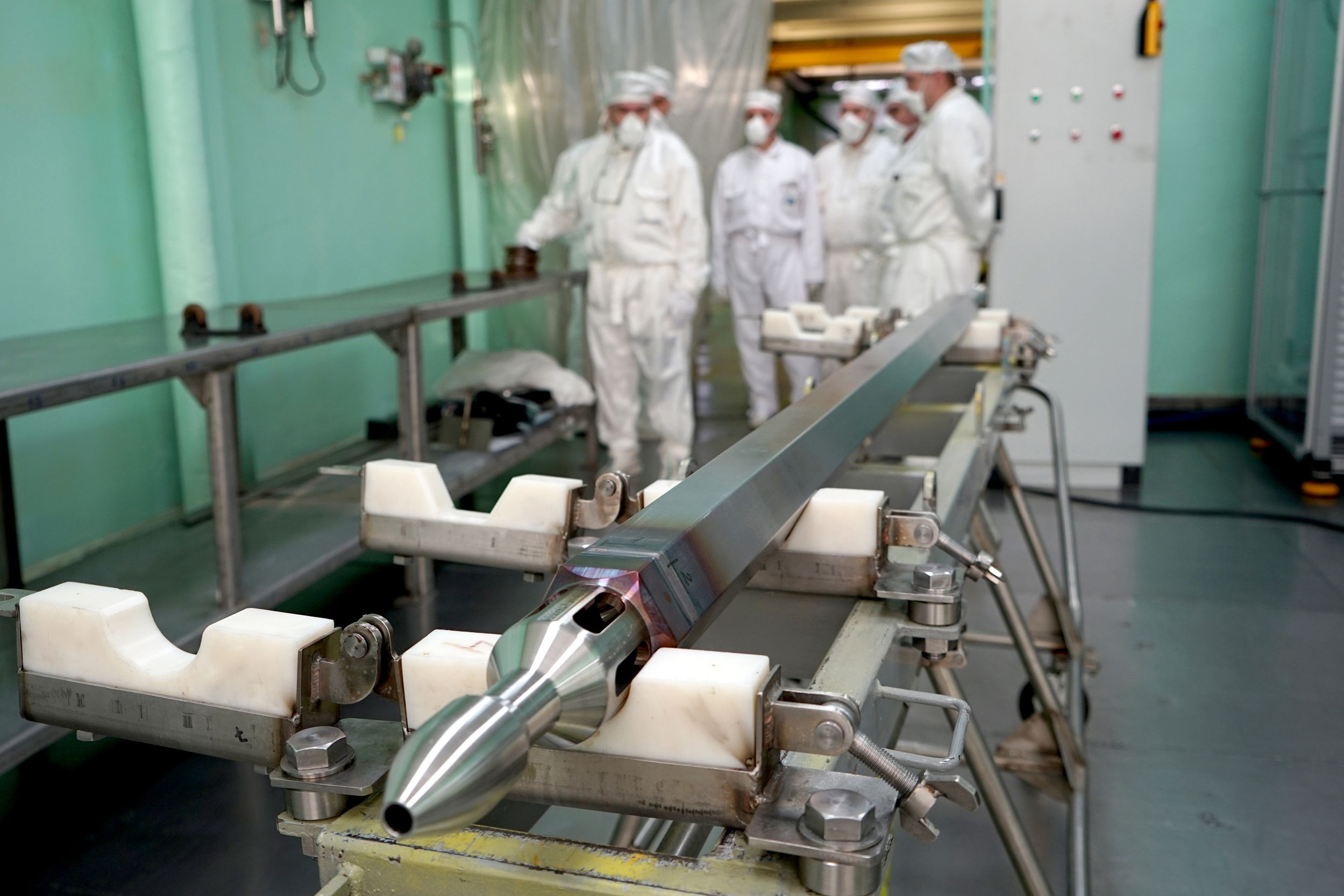
An analytical laboratory has been commissioned at the ODEK’s fuel fabrication/refabrication module. It is equipped with about 90 high-tech devices needed to conduct analyses and verify that the mixed uranium-plutonium nitride (MUPN) fuel, which will be produced at the module, meets established technological criteria and safety requirements.
The pride of the laboratory is its three solid-phase mass spectrometers, which measure key parameters of nuclear fuel (isotopic composition, and mass fractions of uranium and plutonium), and its inductively coupled plasma optical emission spectrometers in a box-type design. They can simultaneously detect around 17 metallic impurities with precision down to parts per million.
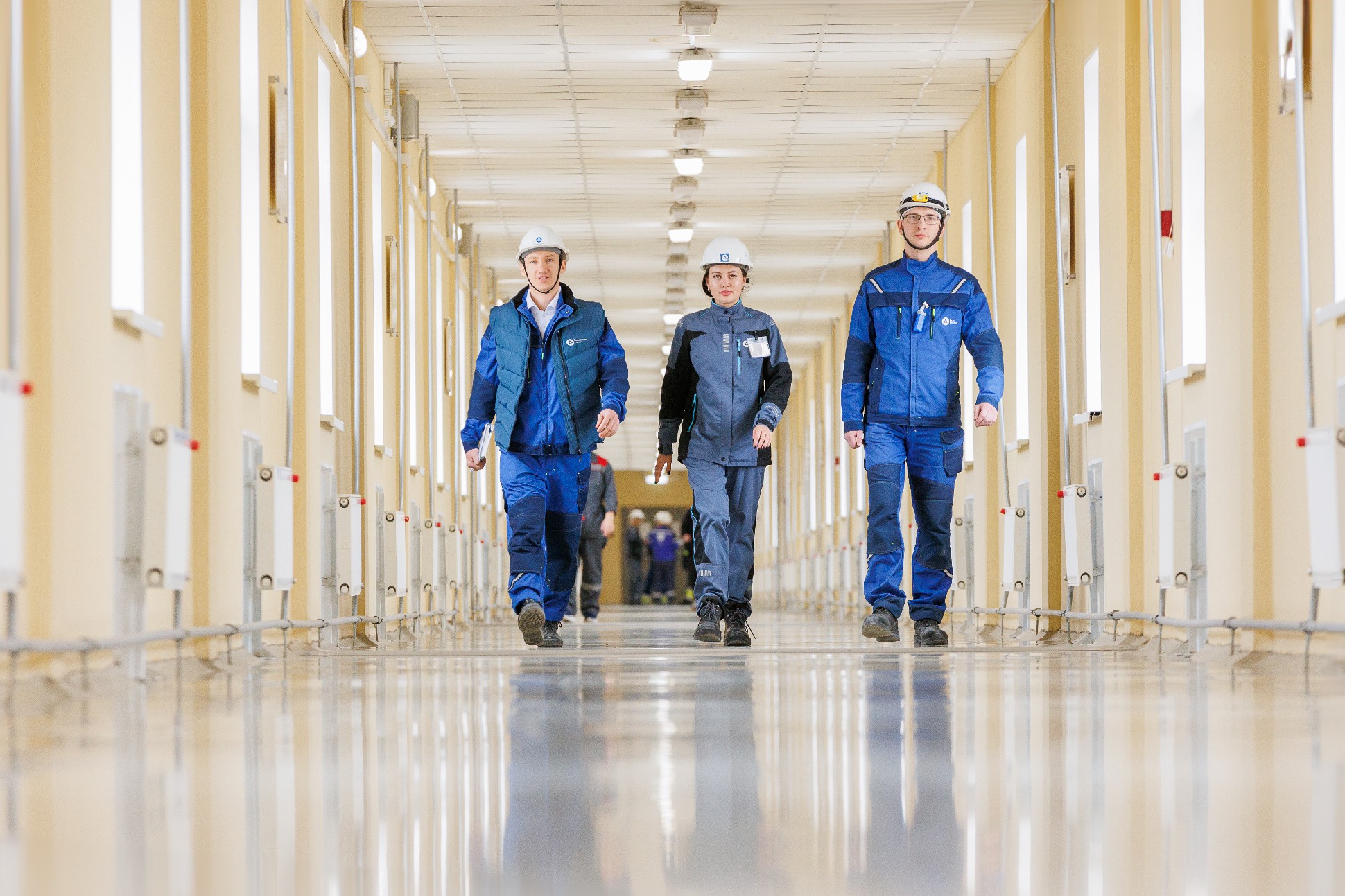
“The lab at the fab/refab module is the first ever to analyze mixed uranium-plutonium nitride fuel, which has never been produced industrially anywhere in the world before. The chromatographic separation section, where samples for mass spectrometry are prepared and measurements are carried out continuously, is also one of its kind. In terms of the complexity of the tasks it solves, the laboratory in Seversk is actually the leader among all factory laboratories at the nuclear fuel fabrication sites,” said Mikhail Skupov, manager of the MUPN Fuel Rods and Fuel Assemblies consolidated project.
The Proryv Project is expected to take the global nuclear power industry to a new level. Its ultimate goal is to make the closed nuclear fuel cycle a viable technology, with fast neutron reactors and fuel reprocessing facilities located on the same site. It also aims to improve safety of nuclear generation, achieve a more complete utilization of energy contained in natural uranium, and reduce radioactive waste. ODEK belongs to Generation IV energy systems.
In addition to ODEK, Russia is also working on a project to construct a power unit with a 1,200 MW sodium-cooled fast reactor at the Beloyarsk Nuclear Power Plant.
Photo by: Rosatom State Corporation, SCP