A Hungarian delegation took part in the World Atomic Week international forum held in Moscow, Russia. Here’s how Russian-Hungarian cooperation in the nuclear sector is evolving, from large-scale energy projects and city partnerships to support for young talent.
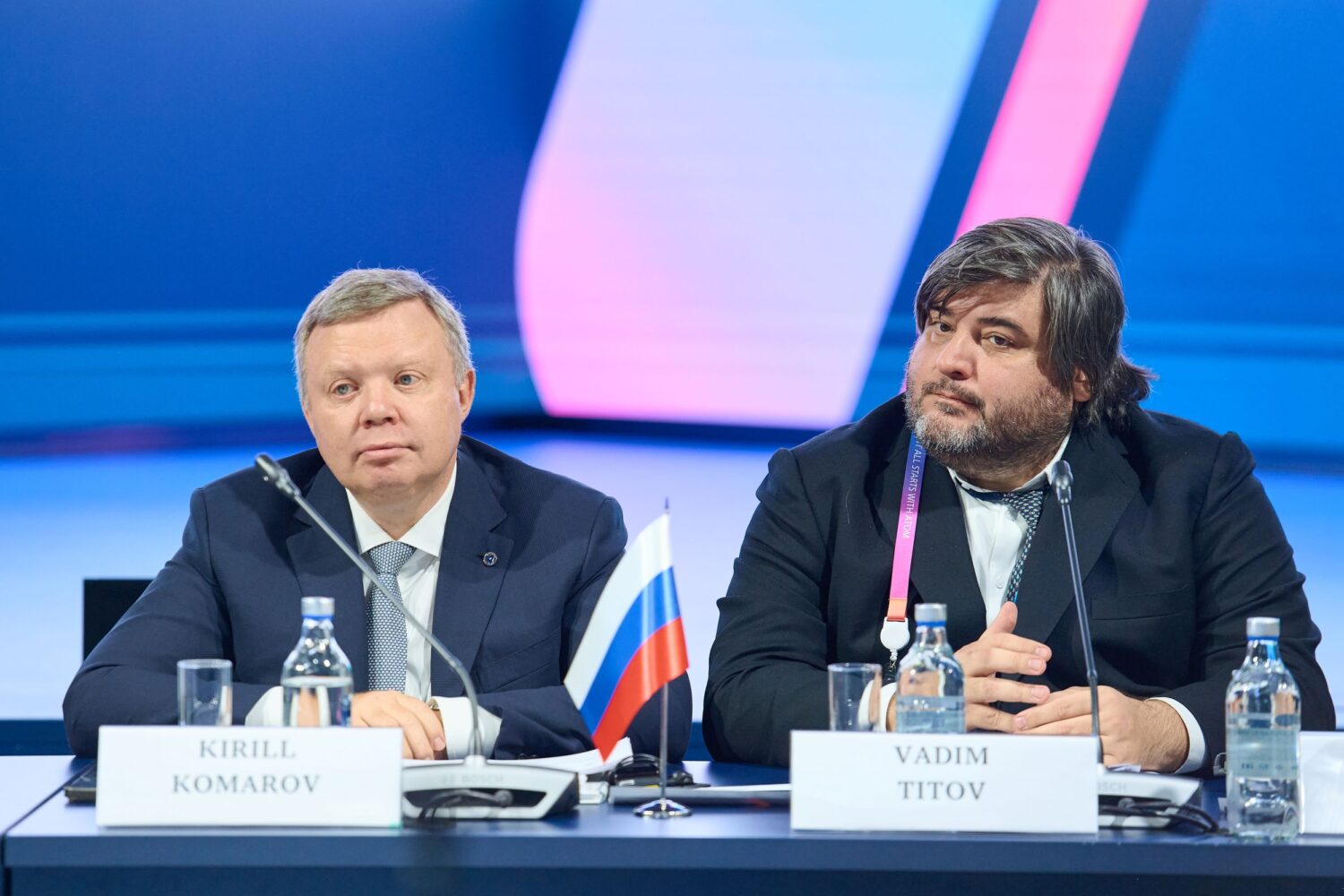
The Hungarian Paks II project is moving forward fast, Rosatom’s First Deputy Director General Kirill Komarov told Hungarian journalists in an interview. He emphasized that Paks II had never paused, not even for a minute. The site is now being prepared for the first concrete pouring; contracts for the production and supply of most equipment have already been signed.
Gergely Jákli, CEO of Paks II NPP Ltd., pointed out during a panel discussion that constructing a nuclear power plant required balancing legal requirements, sustainability, and construction speed, yet meeting these diverse demands remained one of the main challenges for the project management.
Nuclear city
The Paks II project has already made profound transformations in the life of the host city. As Anita Heringes, Mayor of Paks, noted in her speech, the city is closely linked to both the operating and under-construction nuclear plants. The residents of Paks understand that nuclear energy plays a vital role in global energy security and take pride in hosting a nuclear generating station. International staff working on the Paks II project have already integrated successfully into local life: their children attend the same kindergarten groups and mixed classes in schools as Hungarian children.
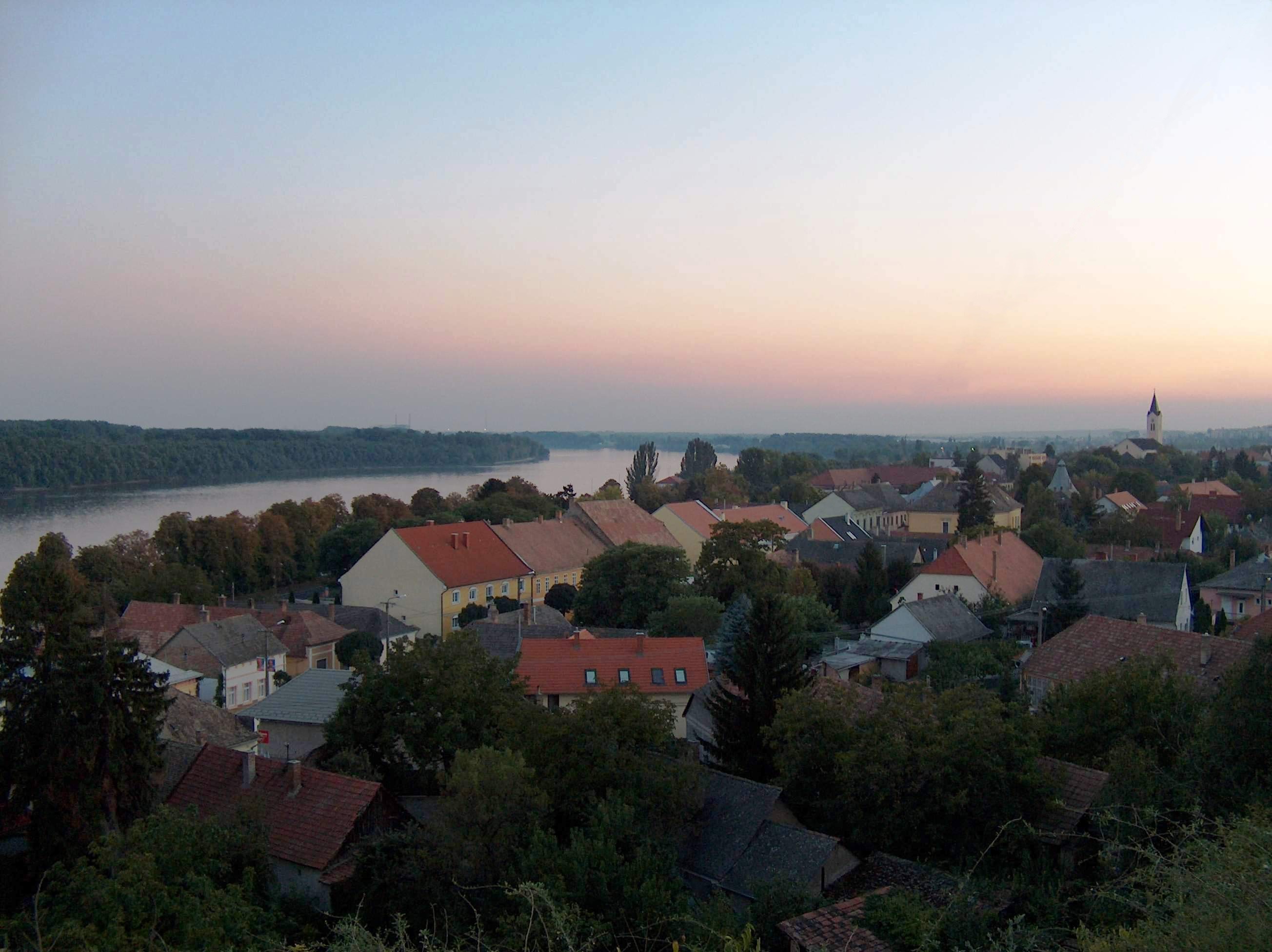
“Paks II is the most advanced nuclear power plant project in the European Union. It is in the vital interest of both Hungary and Paks that the two new reactor units be built as soon as possible. This guarantees affordable electricity and reliable power supply,” concluded Anita Heringes.
Visitors to the World Atomic Week could explore the history of the original Paks NPP, whose construction began half a century ago, through a dedicated exhibition. The same space also offered a glimpse into Hungary’s nuclear future, featuring exhibits on the Paks II project.
Partnership between two cities
The name of another Hungarian city, Dunaföldvár, also came into the public spotlight at the forum. Mayor Zsolt Horváth signed a memorandum of understanding between Dunaföldvár and Russia’s municipality of Zarechny. The agreement launches cooperation in science, business, culture, and education, with a special focus on sharing best practices in how local governments interact with nuclear power plants located in their territories. The parties plan official visits, working meetings, and joint conferences, seminars, and exhibitions.
Global HackAtom
The younger generation was also front and center at the World Atomic Week. As part of the youth program, the final of the Global HackAtom international student competition took place at the forum. The Hungarian team IsotopeX earned an honorable third place for their project of a nuclear power source for a device that monitors fluid retention and vital signs of a sleeping person during space travel.
“Today, you have glimpsed the future and presented projects capable of breakthroughs in humanity’s space exploration through nuclear technologies. You are already the best—the pride and future engineering and technological elite of your countries!” said Tatyana Terentyeva, Deputy Director General for HR at Rosatom.
Strengthening partnerships
Following the World Atomic Week, a Russian delegation led by Tatyana Terentyeva visited Hungary to further strengthen bilateral ties. The visit included a session of the Association of Nuclear Host Communities. Opening the session, Terentyeva emphasized that the Paks II project held strategic importance for Russian-Hungarian relations.
“Our peaceful nuclear partnership with Hungary symbolizes the long-standing and strong friendship between our two nations and between our twin cities: Paks and Novovoronezh, Tamási and Volgodonsk, Kalocsa and Polyarnye Zori, Dunaföldvár and Zarechny, Gerjen and Desnogorsk, and Harkány and Kurchatov. We will continue to deepen cultural and social ties and expand mutual understanding between our peoples,” Tatyana Terentyeva said.
Photo by: Rosatom State Corporation, Wikipedia, ANO “Energy of the Future”