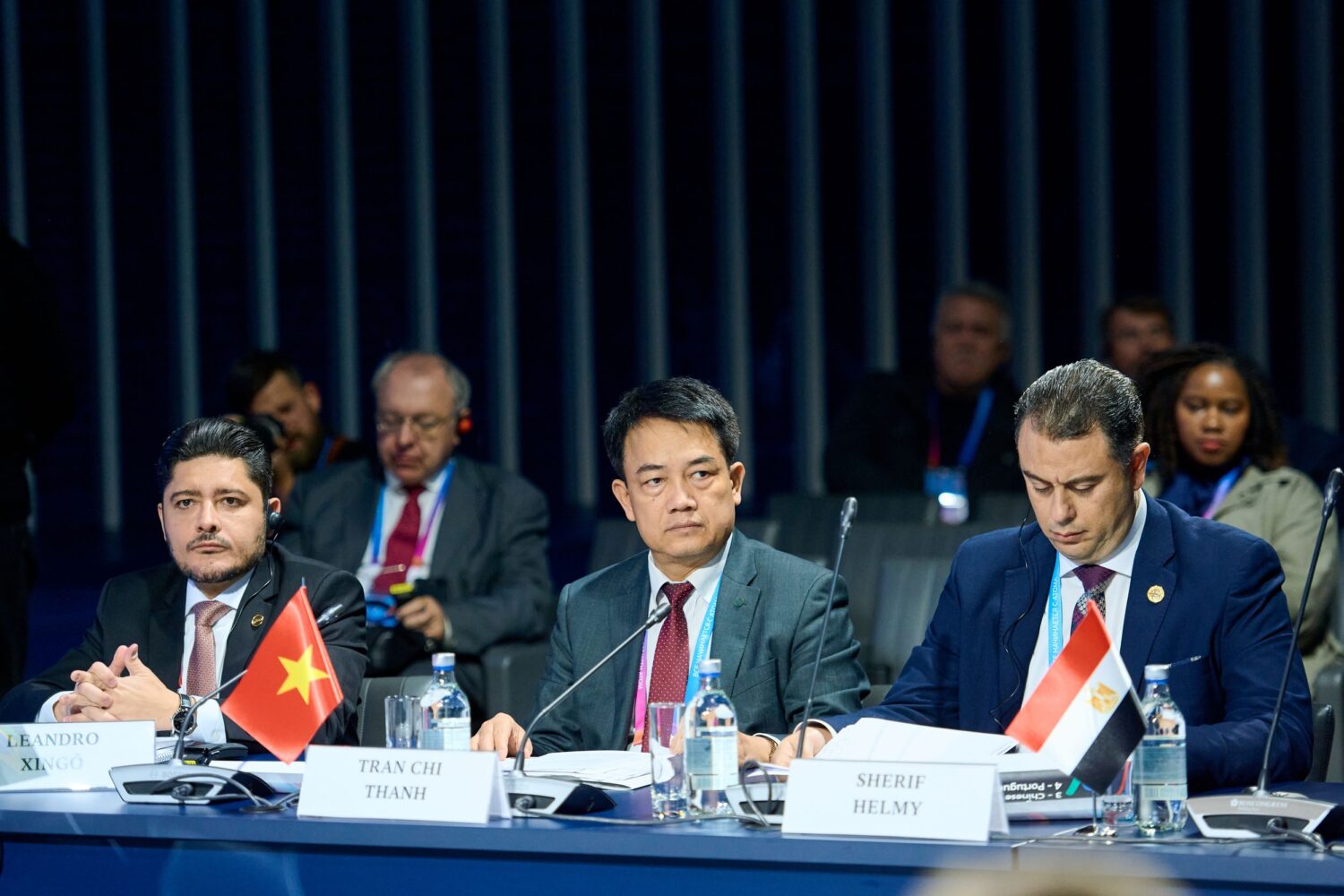
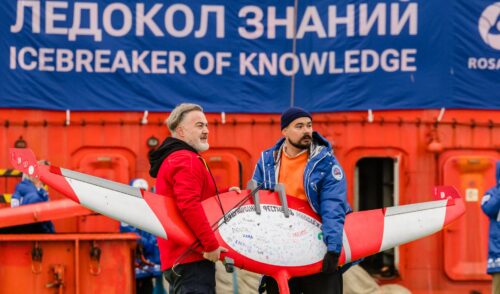
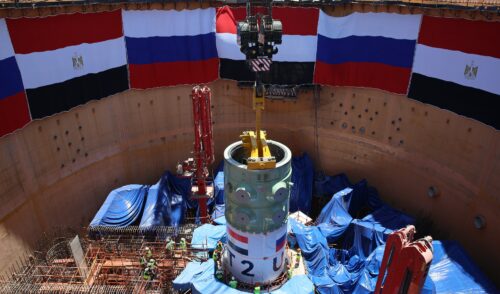
The future of nuclear energy, thermonuclear fusion research, and the prospects of nuclear medicine were among the key topics discussed by the Chinese delegation with their international colleagues at the World Atomic Week (WAW) forum held in Moscow in late September. Chinese companies and Rosatom signed a series of agreements on the sidelines of the forum.
Nuclear energy is a cornerstone of the future global energy system. The role of nuclear power in meeting rising global energy demands was explored during the panel discussion titled “The Perpetual Engine in Nuclear Energy: Science vs. Myth.” Hefei Huang, Deputy Director of the Shanghai Institute of Applied Physics at the Chinese Academy of Sciences, spoke about the achievements of Chinese scientists, who launched a 2 MW experimental thorium-fueled molten salt reactor in 2024. He also shared China’s plans to commission a similar 10 MW reactor in 2030. Vadim Lemekhov, Chief Designer of Rosatom’s Proryv (Breakthrough) Project, outlined efforts to develop and deploy a viable closed nuclear fuel cycle involving fast-neutron reactors. The Proryv Project provides for the construction of an integrated nuclear power facility comprising a power plant, and on-site spent fuel reprocessing and fresh fuel refabrication units.
Thermonuclear fusion
Controlled thermonuclear fusion (CTF) has long been humanity’s dream, offering the prospect of a virtually inexhaustible source of clean energy. The most ambitious project in this field is the construction of the International Thermonuclear Experimental Reactor (ITER), a multinational effort involving China among other nations. One of the WAW roundtables discussed the future of CTF, the progress of the ITER project, and the development of bilateral Russian-Chinese cooperation in fusion research. Xu Guosheng, Deputy Director General of the Institute of Plasma Physics at the Chinese Academy of Sciences, emphasized the strategic importance of this collaboration: “It is a great honor for China to participate in the ITER project. We have already managed to obtain and sustain plasma for extended periods, and we expect to achieve even greater results by 2028. China is not only a contributor but an active partner in joint research, developing new technologies. We are confident that thermonuclear fusion will soon gain momentum, and international cooperation is essential to its success.”
Nuclear medicine
Advancing medical technologies, particularly nuclear medicine, was another central theme of the forum. Radiopharmaceuticals already enable early diagnosis and treatment of many complex diseases. Jin Du, Chief Engineer at China Isotope and Radiation Corporation, reported that research reactors in China produce the most in-demand medical isotopes, notably lutetium-177, widely used for treating metastatic prostate cancer, and terbium-161.
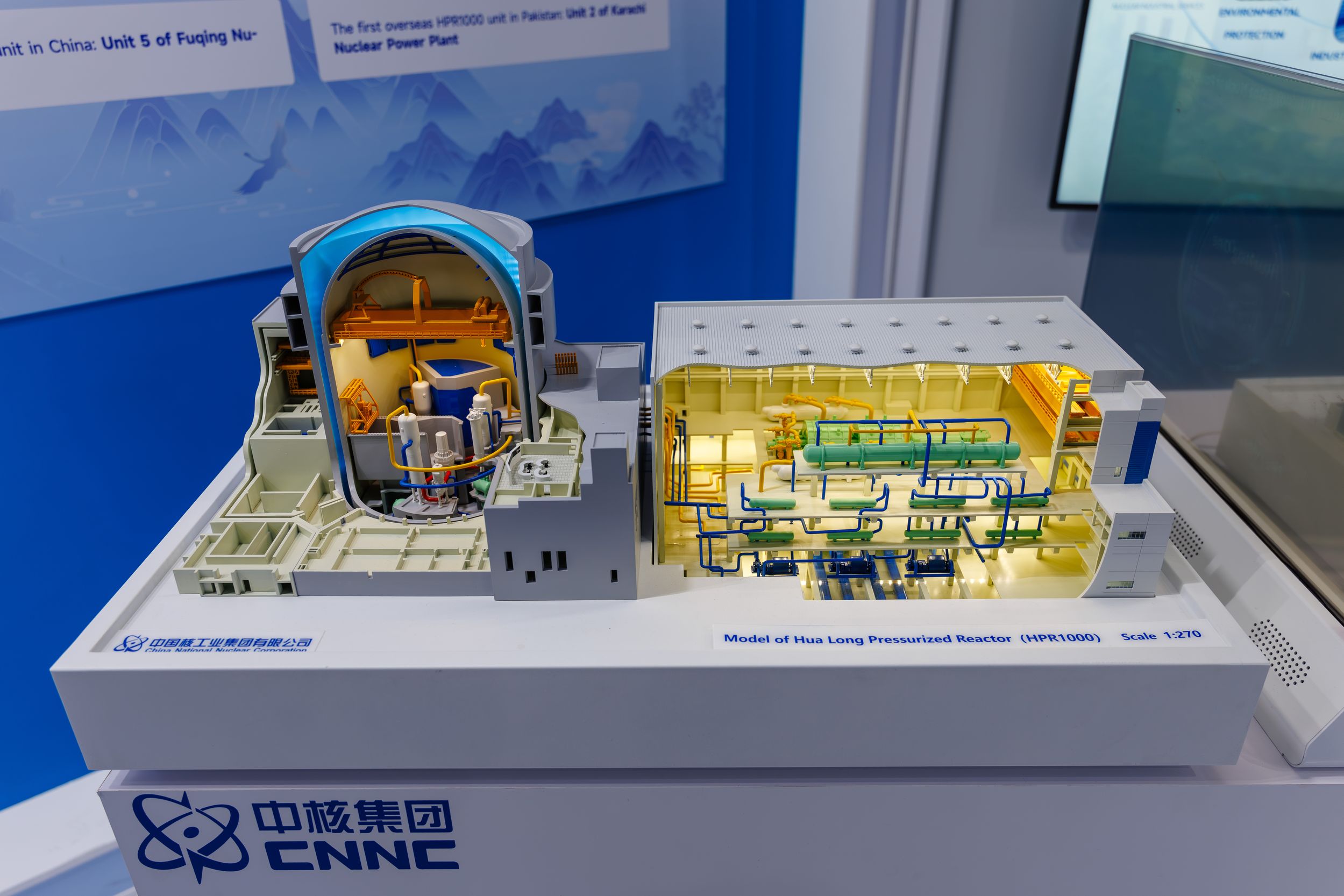
Terbium-161 attracted particular interest from the global medical community as preclinical studies suggest that terbium-based radiopharmaceuticals could surpass lutetium-177 in therapeutic efficacy. Sergey Surov, Director for Radiopharmaceutical Products and Nuclear Medicine at Rosatom Science, called for large-scale international collaboration. “We propose setting up an international platform—a multinational expert group—for intensifying terbium research in nuclear medicine, which would combine technologies for nuclide production, purification methods, development of advanced radiopharmaceuticals, and clinical transfers of results,” Surov said.
Youth engagement
Two of the four WAW days were dedicated to the youth program. In particular, the first Youth Declaration on Nuclear Cooperation was unveiled at the forum. Developed by 100 young leaders from 33 countries, the declaration outlines seven core principles, ranging from nuclear safety to equitable access to education and technology. It was presented to nuclear industry leaders and IAEA representatives. Among the speakers from the Top 100 working groups was Xie Zongxu from China, a member of Impact Team 2050, researcher at IDEAS, and co-founder of Tsinghua Global Youth Dialogue.
Nuclear industry leadership endorsed the declaration, pledged support for its implementation, and affirmed that the future of nuclear energy was in capable hands. The declaration will serve as a foundation for engaging the international youth audience.
Documents signed
Chinese companies and Rosatom signed a series of agreements on the sidelines of the forum. Rosatom Service and Jiangsu Nuclear Power Corporation (JNPC, part of China National Nuclear Corporation) expanded their cooperation by signing a contract for technical maintenance of full-scope Russian-made simulators for Units 1–4 of the Tianwan NPP. This agreement provides for comprehensive technical support, including quality control and servicing, which is critical for high-quality operator training and for enhancing plant reliability and safety.
Additionally, Rosatom Service and CNNP Operation and Maintenance Company (CNOM) signed a strategic cooperation agreement that expands collaboration areas and increases the number of Chinese power units receiving maintenance services from Rosatom. The signed agreement guarantees timely technical support for the reliable and safe operation of Tianwan Units 1–4, as well as newly commissioned Units 7 and 8 at Tianwan and Units 3 and 4 at Xudabao NPP.
Photo by: Rosatom State Corporation, Strana Rosatom newspaper, ITER