يعتبر موقع بناء محطة الطاقة النووية المصرية مركزاً لاستقطاب المديرين التنفيذيين الروس والمسؤولين الحكوميين. وبعد تشغيل جميع الوحدات الأربعة، سيلبي مشروع الضبعة نحو 10% من احتياجات مصر الكهربائية. ويؤكد الخبراء أن الطاقة النووية ضرورية لتعزيز أمن الطاقة في البلاد.
في أبريل، قام وفد من لجنة الطاقة التابعة لمجلس الدوما الروسي بزيارة موقع البناء النووي في مصر.
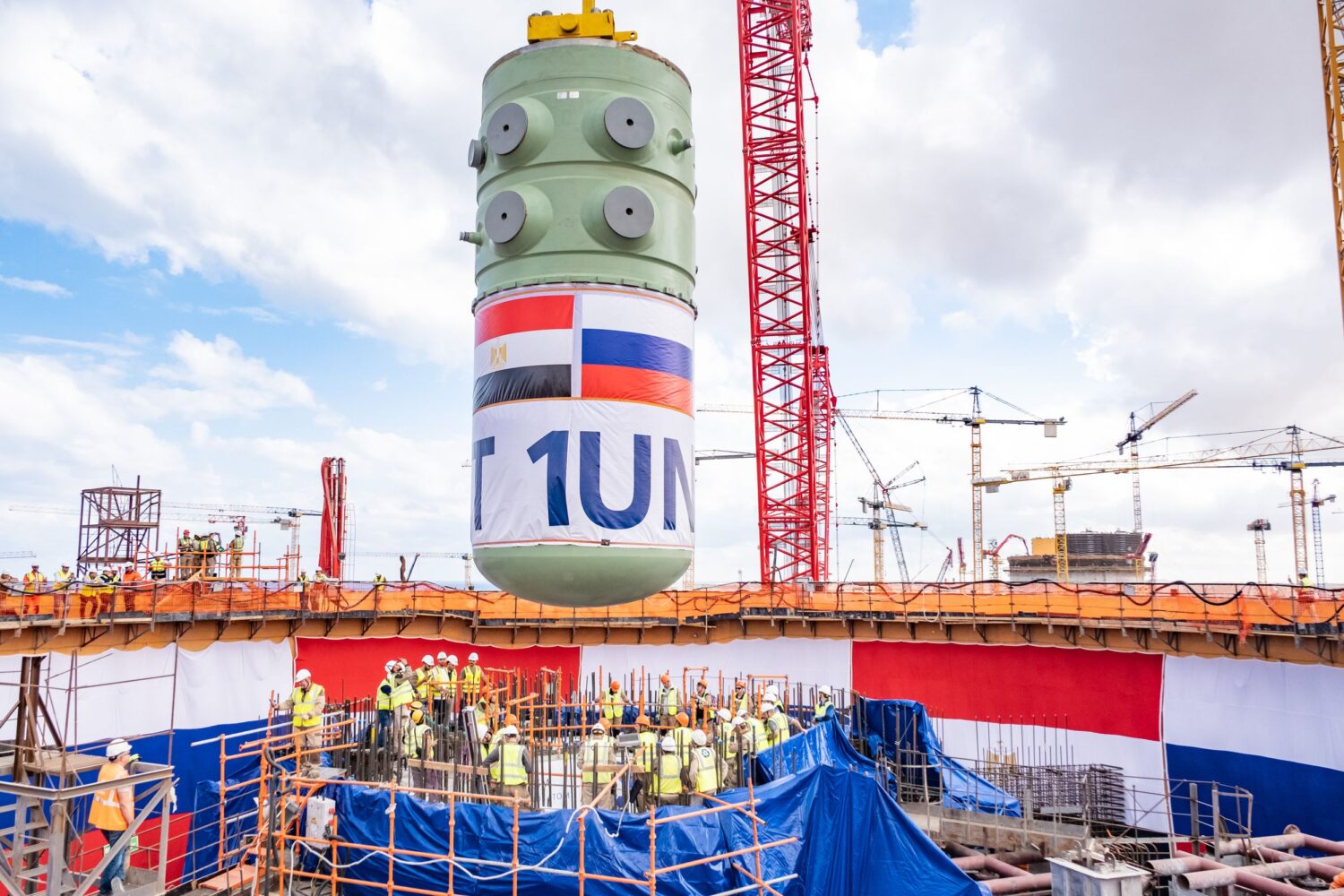
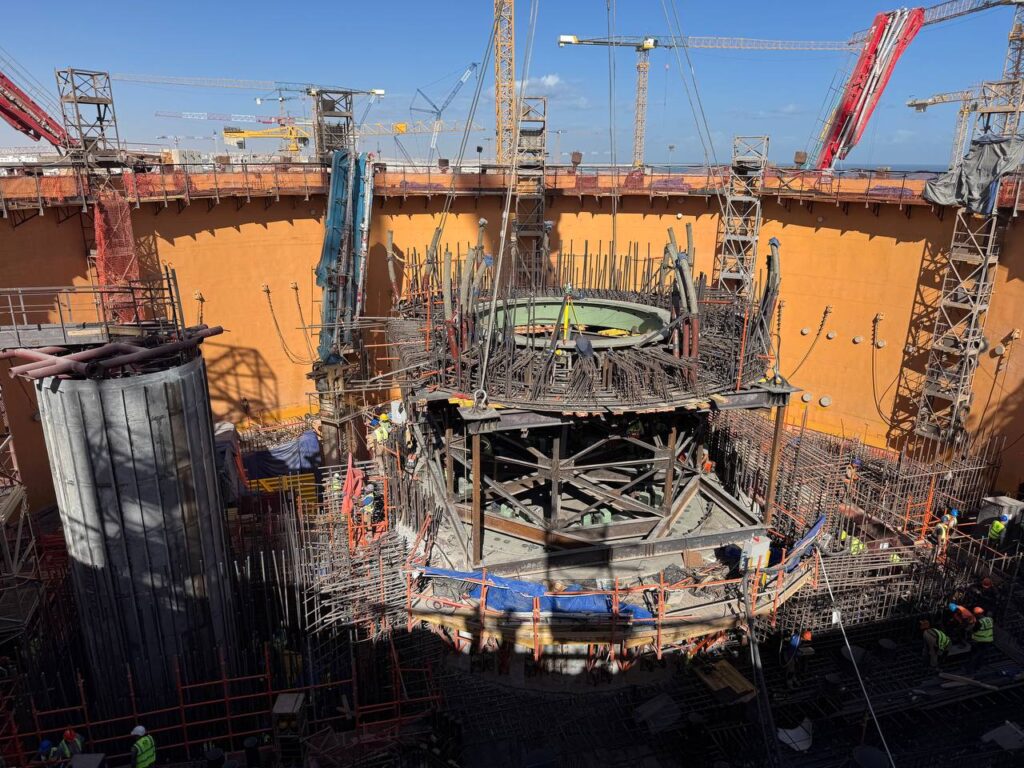
أطلع أليكسي كونونينكو، مدير مشروع بناء الضبعة، النواب الروس على تقدم المشروع، مؤكدًا أن جميع المعالم الرئيسية للبناء المخطط لها لعام 2025 قد تم تحقيقها، ومعظمها تم قبل الجدول الزمني المحدد في العقد. وفي نوفمبر، تم تركيب وعاء الضغط الخاص بالوحدة الأولى في موضعه التصميمي. وأكد أليكسي كونونينكو مرة أخرى أن روسيا ستدعم شركاءها المصريين في كل مرحلة من مراحل دورة حياة المشروع، بما في ذلك إمدادات الوقود النووي وصيانة المحطة وإدارة الوقود المستهلك.
استعرض الوفد المرافق الأساسية في الأحياء السكنية للعمال، والتي تضم روضة أطفال ومدرسة ومجمعًا رياضيًا ومركزًا ترفيهيًا. كما تم اطلاعهم على تطوير البنية التحتية الاجتماعية والسكنية، بالإضافة إلى ترتيبات معيشة موظفي مشروع البناء وعائلاتهم.
واختتم نيكولاي شولجينوف، رئيس لجنة الطاقة بمجلس الدوما: “بالإضافة إلى إنشاء صناعة نووية عالية التقنية في البلاد، تبني روسيا البنية التحتية اللازمة، بما في ذلك الخدمات الاجتماعية. كما تشارك بالتقنيات المتقدمة وتساعد في تدريب الكوادر وتطوير الإطار التنظيمي”.
أيضًا في أبريل، قام أليكسي ليخاتشيوف، المدير العام لروساتوم، بزيارة عمل إلى مصر. وتمت الاجتماعات في القاهرة الجديدة مع محمود إسماعيل، وزير الكهرباء والطاقة المتجددة، ورئيس الوزراء مصطفى مدبولي. ناقشت الأطراف تطوير التعاون في الاستخدامات السلمية للطاقة النووية وتقدم مشروع بناء محطة الضبعة.
التركيز على الاستقرار
عند بدء التشغيل، ستغطي الوحدات الأربع في محطة الضبعة للطاقة النووية، بإجمالي قدرة تصل إلى 4800 ميغاوات، ما يصل إلى 10% من استهلاك الكهرباء في مصر. ويبرز الخبراء أهمية الطاقة النووية في تعزيز قوة الشبكة الوطنية للطاقة.
ويقول إيغور سيرغييف، أستاذ مساعد في قسم الاقتصاد العالمي وباحث أول في معهد الدراسات الدولية بجامعة موسكو للعلاقات الدولية: “لا يزال إجمالي استهلاك الطاقة الأولية في مصر يتزايد. على الرغم من استقرار استهلاك الفرد من الطاقة الأولية، إلا أن هناك زيادة في إنتاج الكهرباء لكل فرد. كما أن إجمالي إنتاج الكهرباء ينمو، وهو ما يتماشى تمامًا مع مستوى وطبيعة المرحلة الحالية للتنمية الاقتصادية في البلاد. يمكننا توقع مزيد من الزيادة في الاستهلاك، مما سيؤدي إلى الحاجة لتوسيع قدرات التوليد”.
في الوقت نفسه، يشير الخبير إلى أن مزيج الوقود والطاقة في البلاد لا يزال يعتمد بشكل كبير على الهيدروكربونات. فعلى سبيل المثال، يمثل النفط والغاز أكثر من 90% من إجمالي استهلاك الطاقة الأولية، ويُنتَج 80% من الكهرباء بواسطة الغاز. وفي الآونة الأخيرة، أصبحت البلاد مرة أخرى مستوردًا صافياً للطاقة، حيث أدت احتياجاتها المتزايدة إلى زيادة في واردات الغاز الطبيعي المسال.
يُعتبر عامل الطاقة عادةً أحد أبرز نقاط الضعف الخارجية في اقتصاد البلاد. إن الأزمة العالمية الحالية في مجال الطاقة تدفع الخبراء إلى الحديث بشكل متزايد عن أهمية وجود موارد طاقة محلية مستقرة وقدرات تُقلل من اعتماد الاقتصاد الوطني على تقلبات السوق العالمية، بالإضافة إلى توفير الحماية ضد الانقطاعات المفاجئة في الإمدادات. وهذا يعد أمرًا بالغ الأهمية لدولة سريعة التنمية مثل مصر، كما يشير إيغور سيرغييف.
ويؤكد الخبير أن إنتاج الطاقة النووية المحلية يُعتبر أحد أسس نظام الطاقة الذي يعمل بشكل موثوق في ظل الصدمات الخارجية المتزايدة وعدم اليقين العام في الاقتصاد العالمي وقطاع الطاقة. واختتم إيغور سيرغيف: “هناك دافع رئيسي آخر للتعاون مع روسيا في هذا المجال، لا يقتصر على ضمان أمن الطاقة وقابلية التنبؤ بالإمدادات فحسب، بل يتمثل أيضًا في الحصول على تقنيات وحلول جديدة لمصر”.