Rosatom’s primary academic partner — the National Research Nuclear University MEPhI — has two overseas branches, in Tashkent (Uzbekistan) and in Almaty (Kazakhstan). MEPhI Rector Vladimir Shevchenko spoke in an exclusive interview with our publication about the operations of the overseas branches, what and how they teach, the success of their graduates, and the university’s plans to promote Russian nuclear education abroad.
— Mr. Shevchenko, how is the work progressing at MEPhI’s overseas branches?
— As of May 2026, 146 students were studying in undergraduate and graduate programs at the Almaty branch of MEPhI. Since the branch opened its doors, student enrollment has been growing: while 94 people were admitted in 2022, the number rose to 107 in 2025, mostly supported by government educational grants. Students are enrolled in programs such as Operation of Nuclear Power Plants, Electronics and Automation of Cyber-Physical Systems and Facilities, Elementary Particle Physics and Cosmophysics, and Secure High-Performance Computing Systems. There is also a master’s program in Secure High-Performance Computing Systems and Technologies. We graduated our first master’s students in Computer Science and Engineering in 2025.
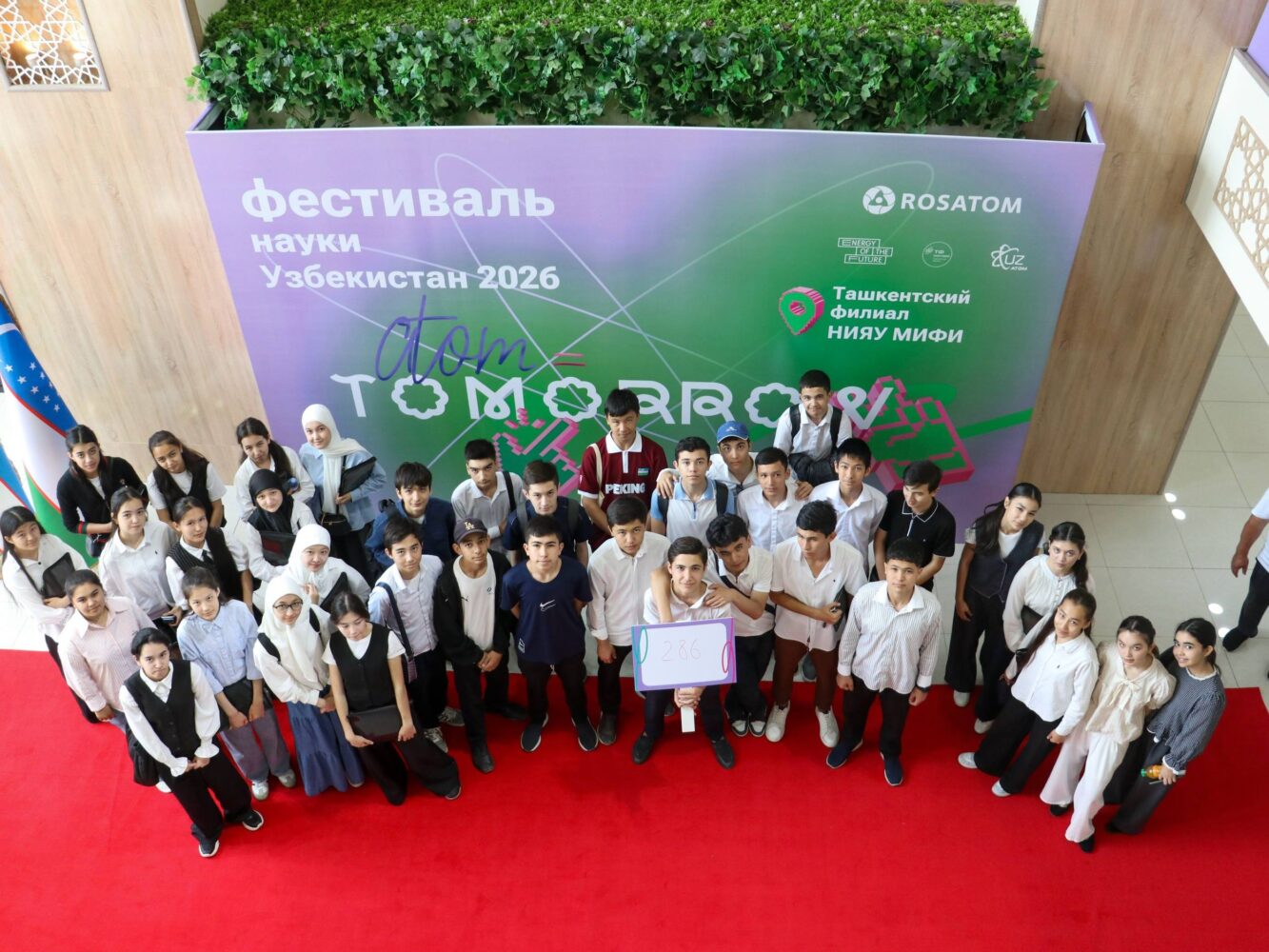
As for the Tashkent branch, the annual intake is 100 bachelor’s students majoring in nuclear physics and power engineering, thermal power engineering, and electrical power engineering. I should note that last December, with the support of Rosatom and Uzatom, we opened an Advanced Engineering School (AES), and we selected the branch’s top 20 students for it.
— The nuclear new build projects in Kazakhstan and Uzbekistan are in their early stages. Where do the graduates of these branches find employment?
— The Almaty branch of MEPhI trains professionals who are highly sought after in the R&D sector and high-tech industries. For example, master’s graduates who studied Computer Science and Engineering under the Secure High-Performance Computing Systems and Technologies program are employed by Kazakh banks and IT companies. In addition, some graduates have continued their education in doctoral programs at leading Kazakh universities.
In 2026, we will graduate our first bachelor’s students in the fields related to nuclear physics and technologies. Some of them have already decided on their further educational and professional trajectories. For instance, Artyom Tishkov has received a job offer from Kazakhstan’s Institute of Nuclear Physics (INP) and plans to continue his studies in a master’s program at the Almaty branch of MEPhI. Alexandra Gurova will apply for a master’s program at MEPhI in Moscow. Several students from the Elementary Particle Physics and Cosmophysics program are also considering employment at INP, where they will be able to participate in international scientific research and megascience projects in cooperation with the Joint Institute for Nuclear Research in Dubna, Russia.
We expect that graduates of our bachelor’s programs will be in demand at INP, the National Nuclear Center, the Atomic Energy Agency of Kazakhstan, and other research organizations and high-tech companies in the country. Many graduates are considering further studies in a master’s program at the Almaty branch. Thus, the branch in Kazakhstan is already involved in personnel training for the country’s high-tech development and national projects in nuclear technology and science.
Graduates of the Tashkent branch will not be left without work upon completing their studies either. Young professionals are assigned to the Uzatom agency (which is the primary customer), as well as the Nuclear Power Plant Construction Directorate, enterprises under the Ministry of Energy, institutes of the Academy of Sciences, and other organizations. Some graduates continue their studies in master’s programs at MEPhI and other universities.
— How are the programs and the list of majors determined at MEPhI’s overseas branches?
— They are structured based on the national priorities and the needs of the national economies of Kazakhstan and Uzbekistan. For instance, in 2021, Kazakh President Kassym-Jomart Tokayev instructed the government and the Samruk-Kazyna sovereign wealth fund to comprehensively study the possibility of developing safe nuclear energy in the country. In January 2022, an initiative was put forward to open branches of leading foreign universities in Kazakhstan, and by February of that year, following a meeting between the presidents of Kazakhstan and Russia, a decision was made to open a MEPhI branch. It was officially established in August 2022.
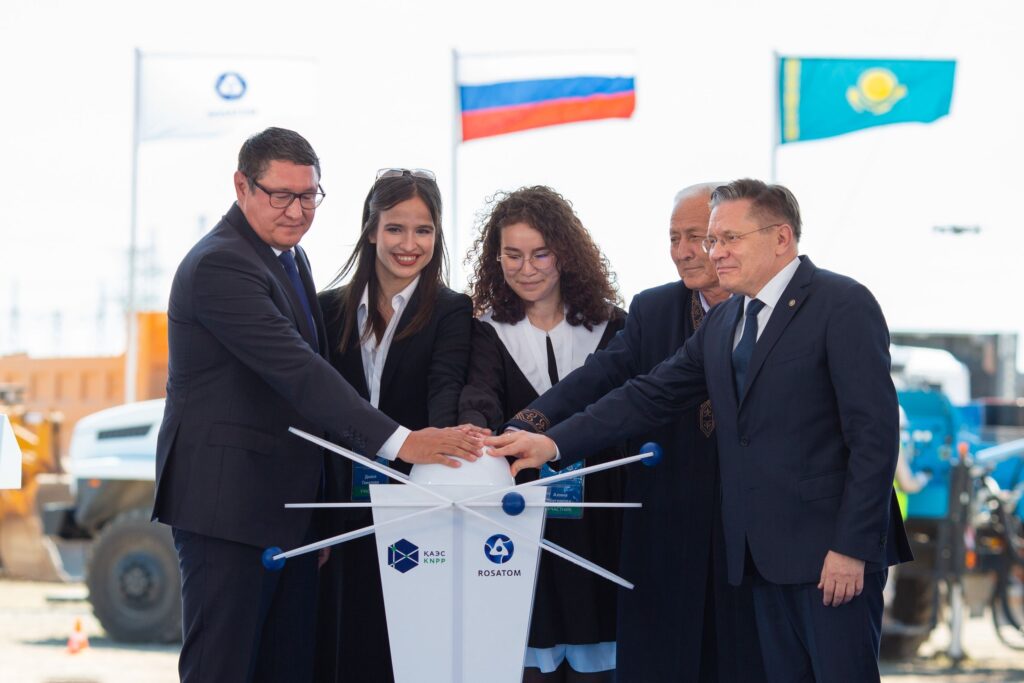
In October 2024, a majority of Kazakh citizens supported the construction of a nuclear power plant in a referendum, and in August 2025, the implementation of the first NPP project officially began near the village of Ulken on the shores of Lake Balkhash. In October of that year, I had a meeting with Kassym-Jomart Tokayev and took that opportunity to discuss the further development of the branch, the construction of its own campus, and the establishment of a consortium of universities offering nuclear education.
The Tashkent branch is intended to support the development of nuclear power in Uzbekistan and train personnel for the nuclear power plant under construction, so its most in-demand graduates are those in MEPhI’s core disciplines: Nuclear Power and Thermal Physics, Nuclear Physics and Technology, Thermal Engineering and Technology, Electrical Engineering and Technology, and several others.
The programs at MEPhI’s overseas branches differ because each country shapes its own demand for personnel training. The university tailors its educational offering to the national priorities and needs of a specific economy. I must emphasize, however, that the curricula at the main campus and the branches differ minimally, and such differences are tied to the need to comply with the legislation of the host country. For example, the branch programs must include courses in the national language and the history of the host country.
— Does Rosatom support the branches?
— Certainly, it does. The Russian nuclear corporation provided assistance when the branches were opened, and today their operation would be impossible without Rosatom’s consistent support.
— What is the role of Russian professors in teaching the branch students?
— The role is key. Russian professors regularly travel to Almaty and Tashkent. At the Almaty branch, about half of the faculty consists of professors from the main campus. The education process follows a 3+1 model: students study for three years in Kazakhstan and one year at the MEPhI campus in Moscow. First to third year students are taught by professors from both the branch and the main MEPhI campus. Specialized last-year courses, which form professional competencies of future specialists, are primarily taught by professors from the Moscow campus. Some subjects are taught using our modern digital educational technologies and resources. This comprehensive approach ensures unified educational standards, continuity of training, and the full integration of branch students into the MEPhI academic environment.
At the Tashkent branch, Moscow-based professors teaching basic natural science disciplines participate in examination sessions and conduct classes in specialized subjects. In the academic year that just concluded, about 30 professors from the main campus taught more than 40 disciplines and supervised term projects and final qualification papers.
— Is there training provided for Kazakh and Uzbek professors?
— All professors at the Tashkent branch regularly take continuing education courses, including at the main campus.
A continuing professional education program is currently being developed for professors based at the Almaty branch. This March, the meeting of the education and science subcommittee of the intergovernmental Kazakh-Russian cooperation commission recommended that the Kazakh Ministry of Science and Higher Education assist in granting the Almaty branch the right to teach supplementary and continuing professional education programs for children and adults starting from the 2026/27 academic year. It is planned that, upon receiving this right, the branch will provide advanced training and professional retraining for educators and employees of nuclear companies and research organizations in Kazakhstan, involving MEPhI experts and professors for this purpose.
— How do students do internships?
— During their practical training and pre-graduation internships, students of the Tashkent branch visit specialized organizations in Uzbekistan related to their major (Uzatom, thermal power plants, the Ministry of Energy, the Institute of Nuclear Physics, and medical centers). Students also visit industrial sites during their studies to consolidate their knowledge in practice.
— What are the plans for the upcoming academic year?
— In the 2026/27 academic year, we plan to launch master’s programs in nuclear physics at the Tashkent branch and joint programs with Uzbek universities. In particular, we will partner with the Jizzakh Polytechnic Institute, which is expanding its list of majors following an instruction from the country’s President, Shavkat Mirziyoyev, regarding the comprehensive training of personnel for the nuclear power plant currently under construction.
— Can students from other countries enroll in the Almaty or Tashkent branches?
— Yes, both of our branches are open to international students on a tuition-paying basis. The student body mostly consists of host-country nationals, but there are exceptions. For example, this year we will have our first female graduate who is a Kazakhstan national; she transferred to the Tashkent branch two years ago. As for the Almaty branch, there are citizens of Russia and Bulgaria studying, in addition to Kazakhs. Such integration promotes the development of the branches and strengthens educational and scientific cooperation between different countries.
— What are MEPhI’s plans for opening branches in other countries?
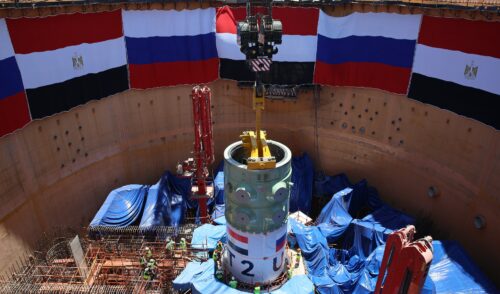
— They are closely tied to Rosatom’s international strategy. Several countries are currently under consideration, and one of them is Egypt. But I must emphasize that opening a branch is typically the final step of a lengthy process. It is preceded by the implementation of joint educational programs with foreign partner universities, the opening of a MEPhI representative office in the country, and other steps. A branch is a costly endeavor, so the host country must be confident that the national personnel trained there will work to develop its nuclear industry.
For reference: Rosatom State Corporation annually provides comprehensive support to the development of branches of the National Research Nuclear University MEPhI abroad in cooperation with partners representing organizations of the nuclear industry of Kazakhstan and Uzbekistan.
Photo by: Tashkent branch of MEPhI, Rosatom State Corporation