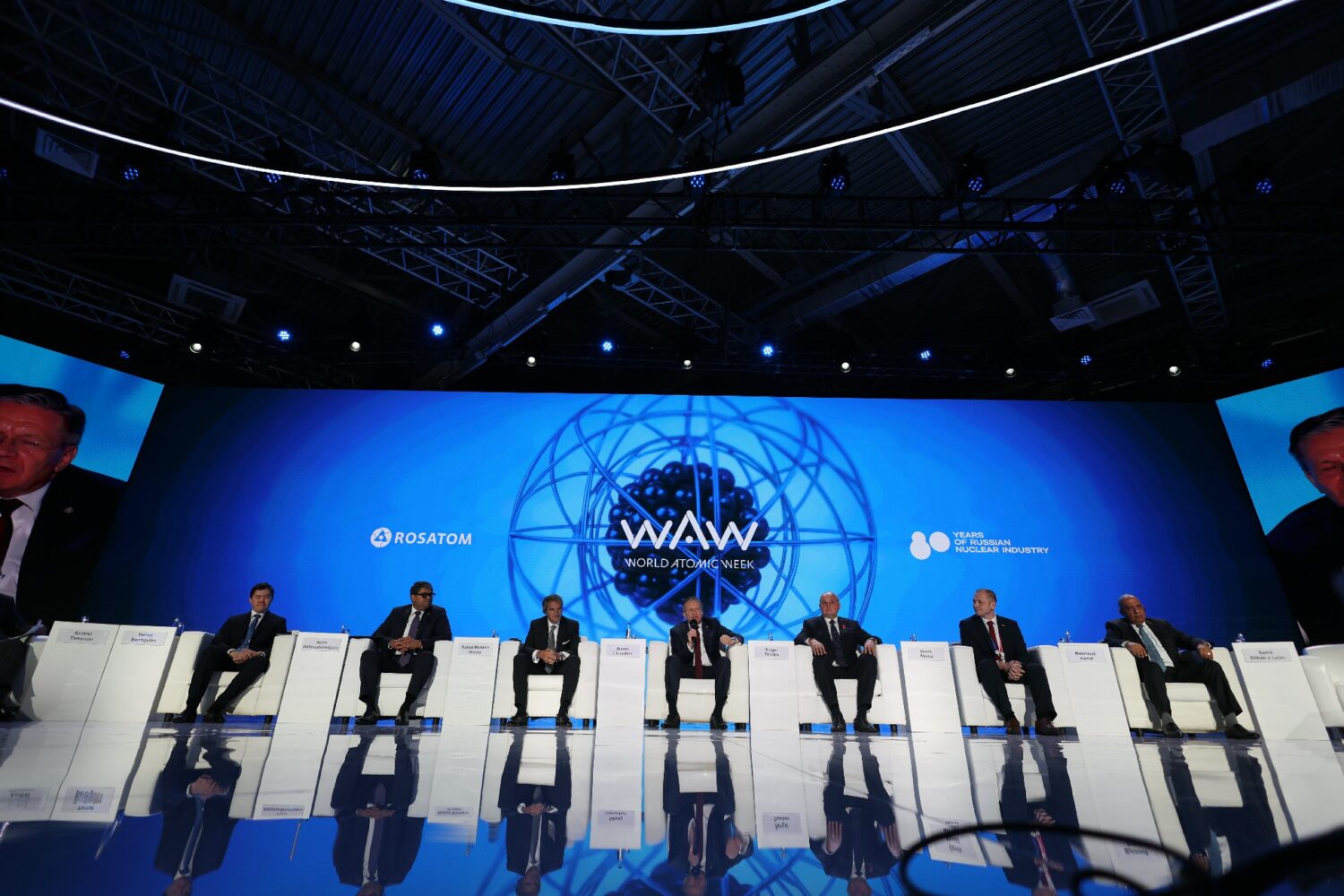
In late September, Moscow hosted the World Atomic Week (WAW), an international forum that brought together politicians, industry and public organization leaders, scientists, and journalists from around the globe. A major focus was placed on youth and promoting the Russian nuclear industry. Here’s a look at the key events of the forum.
The forum, celebrating the 80th anniversary of the Russian nuclear industry, drew over 20,000 participants from 118 countries. Two days were dedicated to the business agenda, including high-level meetings, agreement signings, and in-person networking. An equal number of days was filled with the youth program events, featuring presentations for students and schoolchildren by nuclear industry leaders, opinion leaders, scientists, and experts.
The business program was kicked off by Russian President Vladimir Putin, who said: “More and more countries and major corporations are recognizing peaceful nuclear energy as a critical resource for long-term, accelerated development. It is evident that there are fundamental reasons for this paradigm shift. It is not just about reliable solutions — something else is important: a new energy system is emerging.” No other country but Russia today possesses the expertise across the entire nuclear technology chain, he emphasized. Russian-designed nuclear power plants are the most sought-after in the world.
All participants in that day’s roundtable discussion spoke about the benefits of cooperating with Russia. For instance, Belarusian President Alexander Lukashenko remarked: “We have built the most advanced and most beautiful nuclear power plant.” Myanmar’s Acting President Min Aung Hlaing discussed joint plans with Rosatom to construct a nuclear generating station in his country, a project the two parties have been working on since 2022. Armenian Prime Minister Nikol Pashinyan outlined the prospects for upgrading the Armenian Nuclear Power Plant, which was built by Soviet nuclear engineers. Niger’s Minister of Mines, Ousmane Abarchi, proposed the idea of “nuclear dividends,” implying benefits for all parties involved in the nuclear industry. He also invited Rosatom to participate in uranium exploration and production and to build two nuclear power units with a combined capacity of 2 GW. This was one of the major announcements at WAW. Ethiopian Prime Minister Abiy Ahmed shared that his country would like to create a model program, transparent and safe, for developing nuclear energy.
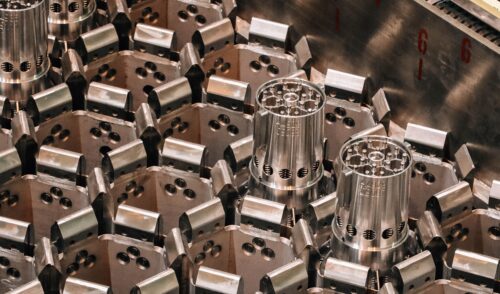
The impending shortage of natural uranium was another major topic at the forum. To address this issue, Rosatom proposed a closed nuclear fuel cycle concept. This involves recycling fuel multiple times using fast-neutron reactors, which would allow for a more complete utilization of energy contained in natural uranium and reduce the amount of radioactive waste.
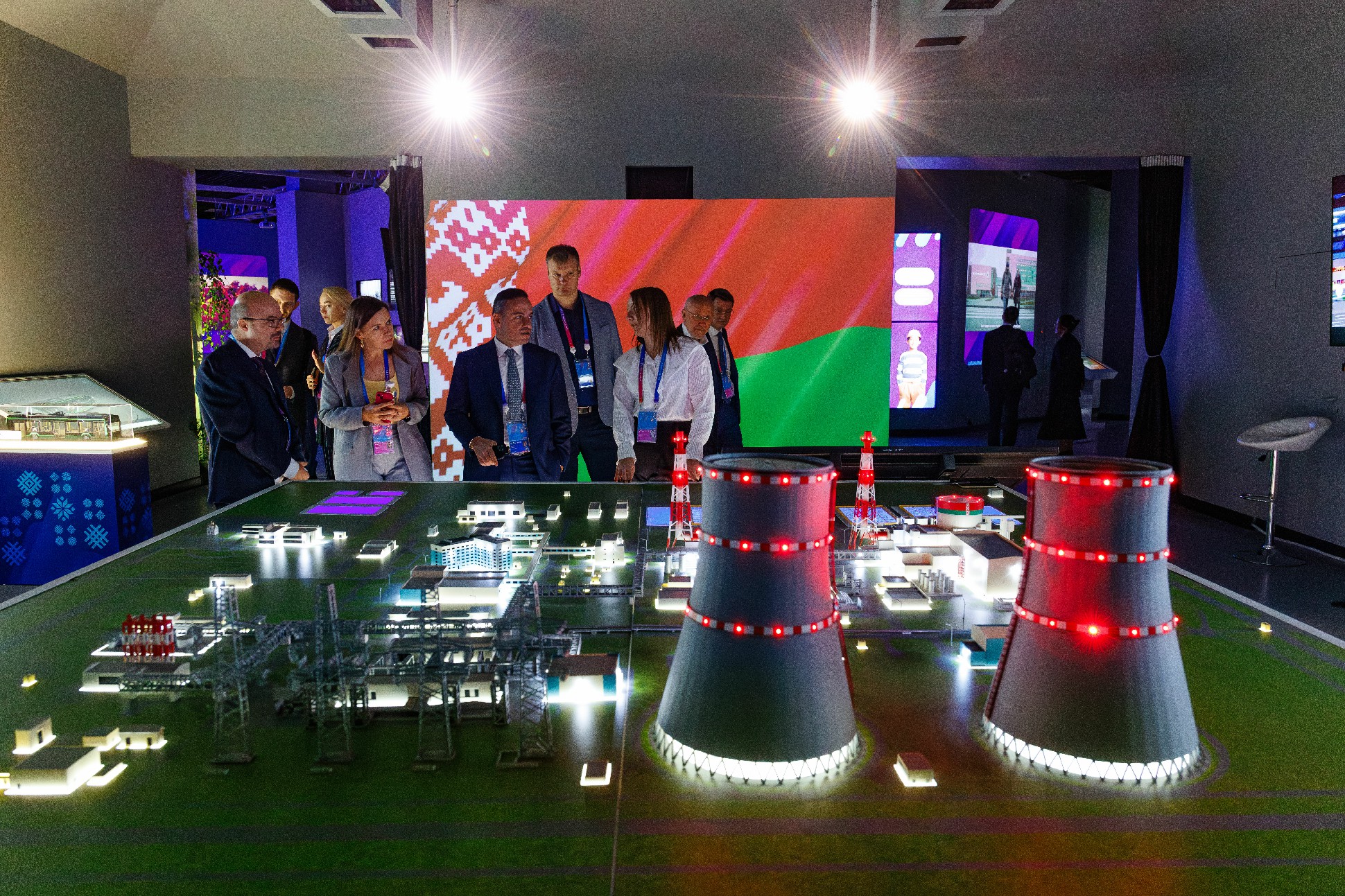
“Nuclear fuel can be recycled again and again. Russia is undoubtedly a pioneer in this field. I believe that in the coming decade, we will see many countries begin to view spent nuclear fuel as a valuable resource,” said Sama Bilbao y León, Director General of the World Nuclear Association (WNA), during a press briefing.
As part of the forum, the BRICS Nuclear Energy Platform held its annual conference to sign the first strategic document — a vision statement outlining the primary areas of focus. These include workforce development, securing financing for nuclear energy projects, creating sustainable supply chains, promoting reactor construction and nuclear fuel cycle technologies, building public acceptance of nuclear energy, and more.
Signed at WAW
Rosatom and its subsidiaries signed nearly fifty agreements during the World Atomic Week. Here are some of the most significant deals with international partners.
On the eve of the forum, Rosatom Director General Alexey Likhachev and Iran’s Vice President and President of the Atomic Energy Organization of Iran, Mohammad Eslami, signed a memorandum of understanding and cooperation in the construction of small modular reactors in Iran. The document outlines concrete steps to implement the project.
Rosatom Director General Alexey Likhachev and Ethiopian Electric Power CEO Ashebir Balcha signed an action plan for a nuclear power plant project in Ethiopia. Signed in the presence of Russian President Vladimir Putin and Ethiopian Prime Minister Abiy Ahmed, the plan provides for establishing a working group, drafting a roadmap and an intergovernmental agreement, and supporting nuclear infrastructure.
A series of documents was signed with Uzbekistan concerning the construction of the world’s first nuclear generation facility to comprise two VVER-1000 reactors and two 55 MW RITM-200 reactors, and supplying fuel for it.
Rosatom Overseas Generation and Vietnam’s Power Engineering Consulting Joint Stock Company 2 (PECC2) signed a memorandum of understanding that lays the groundwork for cooperation on the Ninh Thuan 1 Nuclear Power Plant project in Vietnam.
The Belarusian Nuclear Power Plant and TENEX (part of Rosatom) signed a spent fuel management contract.
An agreement between the Cabinet of Ministers of the Kyrgyz Republic, Rosatom’s Fuel Division, Energy Solutions Kyrgyzstan (Rosatom’s country office), and the construction company Elbrus is focused on setting up local production of lithium-ion batteries in Kyrgyzstan.
Rosatom’s Fuel Division (TVEL) and the Beijing Research Institute of Uranium Geology (BRIUG) signed an agreement on TVEL’s accession to the MonEH project. Russian researchers will gain access to field studies in the Beishan underground laboratory for the safe disposal of high-level radioactive waste.
Medscan Group and Russian-Arab Business House LLC agreed to develop medical tourism with a full range of medical services to be offered in Russia to patients from Middle Eastern countries.
A memorandum signed between the cities of Zarechny (Sverdlovsk Region, Russia) and Dunaföldvár (Hungary) supported international humanitarian ties.
The Rosatom Technical Academy and Yangon Technological University (Myanmar) signed a memorandum to train personnel and develop scientific research.
Nuclear: A Field for the Young
Young researchers, engineers, students, and even schoolchildren were full-fledged participants in the World Atomic Week. Young fusion physicists, for example, proudly spoke of their involvement in the International Thermonuclear Experimental Reactor (ITER) project to build the world’s first operating fusion reactor. Schoolchildren took part in a robotics festival. The biggest attraction was a robotic actress crow that plays cameo roles in theatrical performances.
The need to train professional staff for the industry was discussed at every level, including by heads of state and government agencies, at the BRICS Platform conference, in thematic sessions, and in presentations by university leaders. Discussions covered the importance of interdisciplinary education, the necessity of practical skills, and the benefits that a ‘nuclear’ education brings to a country as it builds a technically educated elite over time.
On the final day of the World Atomic Week, the Grand Finale of the international student championship Global HackAtom was held, with over 50 winners of national rounds from Russia and nine partner countries participating. The final was dedicated to nuclear-powered space exploration. Teams presented projects on interplanetary travel, the first space-based nuclear power plant, and the Silk Road 2100 in space.
The winning team was TUPI Tech from Brazil. They presented an innovative project for a modular space nuclear reactor capable of producing resources for interplanetary travel. Second place went to the Tahu Sumedang team from Indonesia, which proposed using nuclear technology to regulate circadian rhythms (biological process fluctuations) during interplanetary missions. Third place was awarded to the IsotopeX team from Hungary for their idea of a nuclear power source for a device that monitors fluid retention and vital signs of a sleeping person during space travel.
Photo by: Wikipedia, Leningrad NPP, Strana Rosatom newspaper