Rosatom’s Fuel Division (TVEL) is continuously improving its fuel to enhance safety and is advancing R&D to establish a closed nuclear fuel cycle and maximize the use of energy contained in natural uranium. Here is an overview of recent achievements in this field.
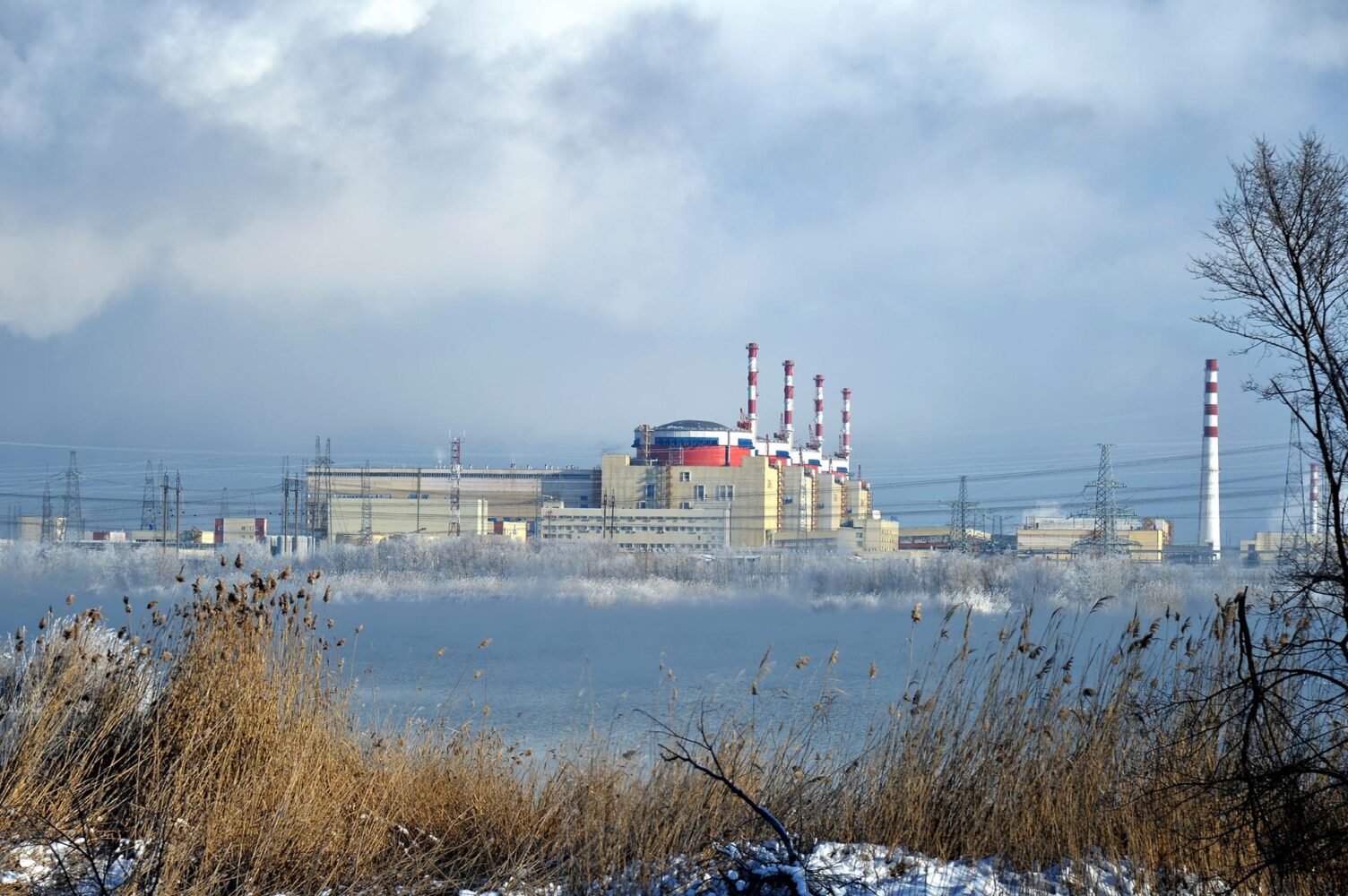
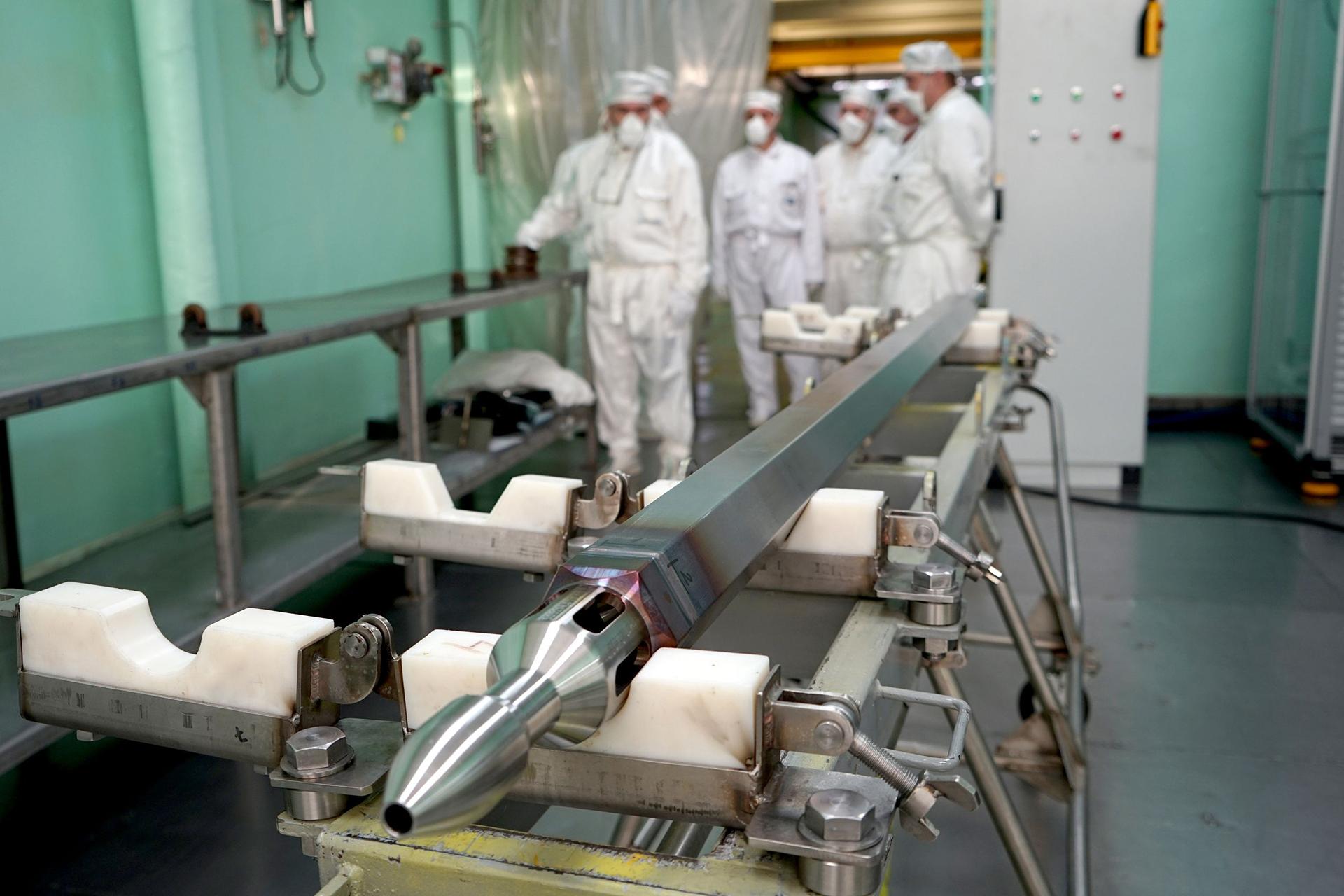
Unit 2 of the Rostov NPP completed the last iteration of piloting accident tolerant fuel (ATF). “Tolerant” means that fuel is designed to be more resistant to severe beyond-design-basis accidents. The fuel assemblies were loaded into the VVER-1000 reactor in 2021 and have completed a full operating cycle consisting of three 18-month refueling intervals. The pilot operation involved three combined TVS-2M assemblies, each containing 12 fuel rods. Six of these rods utilized a 42CrNiMo alloy, while the cladding for the rest was made of a chromium-coated zirconium alloy. In the event of an emergency, these new materials will either completely eliminate or significantly slow down the development of a steam-zirconium reaction in the reactor core.
“Considering all factors — economics, technology, regulation, and procedures — the optimal choice for commercial application is the cladding made of a conventional chromium-coated zirconium alloy. The ATF development program has yielded another result essential for closing the nuclear fuel cycle. The properties of the chromium-plated surface eliminate several manual operations during the fabrication of nuclear fuel for VVER reactors. Fully automated fabrication is a prerequisite for the commercial production of fuel containing reprocessed uranium and plutonium,” explained Alexander Ugryumov, Senior Vice President for Research and Development at TVEL.
REMIX fuel
Unit 1 of the Balakovo NPP concluded the third 18-month pilot operation period for the fuel assemblies containing REMIX fuel. This fuel is a mixture of reprocessed uranium and plutonium recovered from the spent nuclear fuel of VVER reactors. REMIX is slated for the use in light-water thermal reactors, thereby integrating them into the closed nuclear fuel cycle (CNFC).
Six fuel assemblies fully loaded with the innovative fuel rods were introduced into the VVER-1000 reactor in late 2021. No deviations were detected during operation; the neutronic performance and lifecycle parameters remained within design limits. The final three of these six assemblies were extracted from the core in March 2026. Like the assemblies with ATF cladding, they successfully passed three 18-month refueling intervals. After being extracted from the reactor core, the irradiated fuel assemblies were placed in a spent fuel pool. Three assemblies extracted in 2024, following the completion of the second refueling interval, are already stored there. The cooled assemblies will be sent to the research institute in Dimitrovgrad for post-irradiation examinations.
“Taking into account the operation of experimental fuel rods and, subsequently, standard fuel assemblies, we have accumulated almost 10 years of experience in irradiating REMIX fuel in a commercial large-capacity reactor. After completing post-irradiation examinations of the spent fuel rods, we will be able to qualify uranium-plutonium fuel for VVER reactors and offer it to the market for the first time in the world. The next step will be loading a VVER reactor with uranium-plutonium fuel assemblies containing depleted uranium and up to 5% plutonium. Thus, we are developing a complete line of products and solutions for the balanced nuclear fuel cycle concept, ranging from reprocessed uranium to various uranium-plutonium compositions,” Alexander Ugryumov commented.
MUPN fuel
Scientists from the Fuel Division have developed a commercial method for producing the nitrogen-15 isotope to manufacture the next generation of mixed uranium-plutonium nitride (MUPN) fuel. It is planned to be used in the BREST-OD-300 fast neutron reactor under the Proryv (Breakthrough) project.
Since nitrogen-15 absorbs almost no neutrons, a greater number of them will remain in the core. Therefore, using nitrogen-15 theoretically allows for a reduction in the amount of fuel material loaded into the reactor. Additionally, nitrogen-15 will reduce the generation of unwanted carbon-14. All of this will improve the reactor’s economic and operational performance.
To produce nitrogen-15 in two-phase gas-liquid systems, a pilot laboratory facility was set up at the Bochvar Institute (VNIINM). Technological processes for obtaining the highly enriched isotope were tested and optimized, and the first batch of the product was manufactured.
“Our research on fuel for fast reactors covers both advanced fuel and structural materials, uranium-plutonium fuel fabrication technologies, and solutions for its reprocessing. All these developments are aimed at ensuring energy security and environmental safety within the sustainable paradigm, expanding the resource base for nuclear power plants to the greatest extent possible, while minimizing radioactive waste and irradiated fuel,” Alexander Ugryumov concluded.
Photo by: the newspaper “Strana Rosatom”, FSUE “FEO”, JSC “NIITFA”
This site uses cookies. By continuing your navigation, you accept the use of cookies. For more information, or to manage or to change the cookies parameters on your computer, read our Cookies Policy. Learn more