Bioeconomic technologies are among the new business lines being developed by Rosatom. The Russian nuclear corporation presented its achievements in this field at the Future Technologies Forum (FTF) in March. Featured exhibits included water purification solutions, an artificial heart valve, models of energy facilities, and other developments.
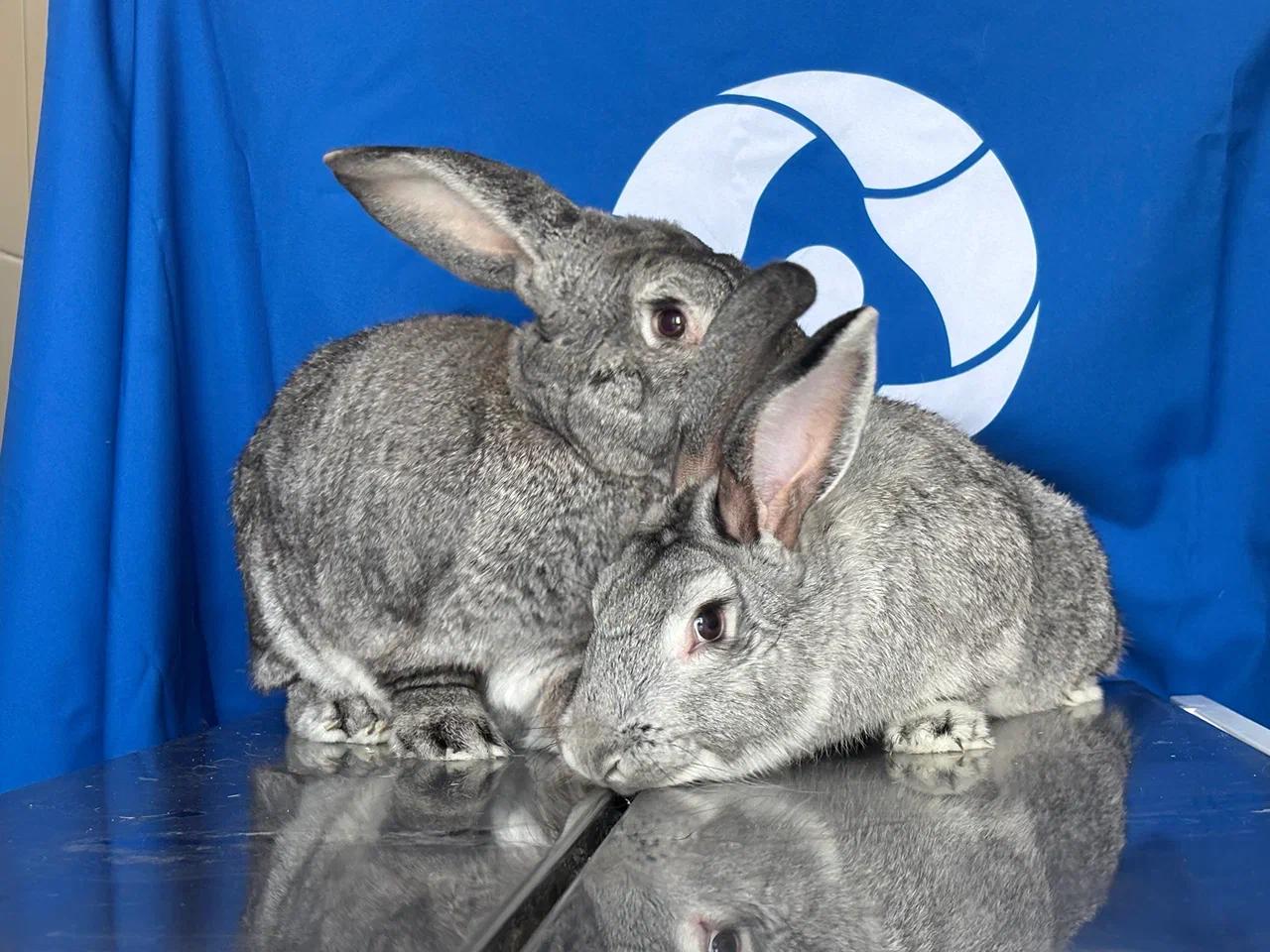
Last year, a rabbit named Zayats (Hare) caused a sensation at the FTF after being implanted with a blood vessel grown in a Rosatom biofabricator. He was not brought to this year’s forum, but as Rosatom Director General Alexey Likhachev informed Russian President Vladimir Putin during a tour of the exhibition, Zayats “is alive, well, and has found a girlfriend.”
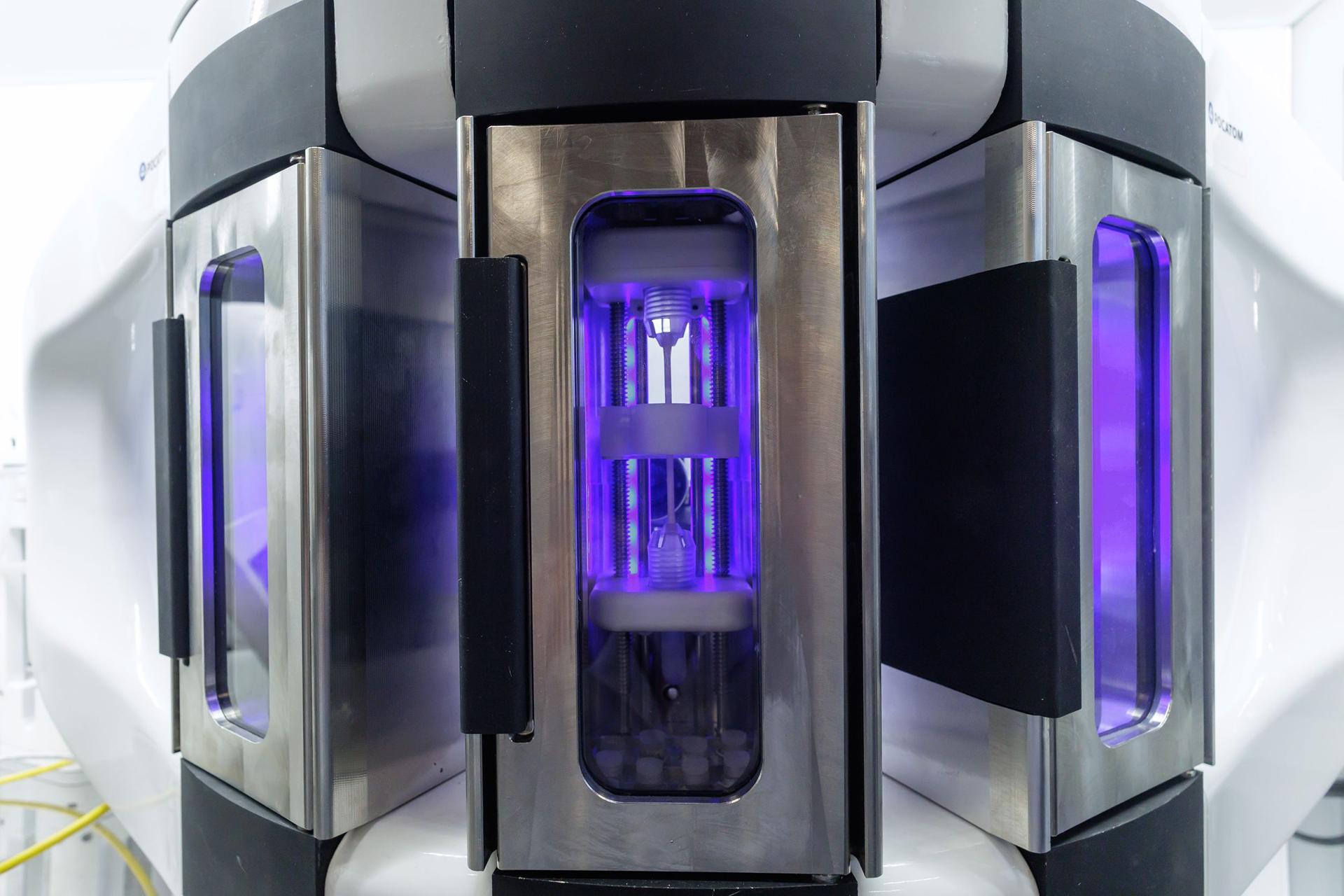
During the year between the two forums, the corporation’s scientists learned to create organs more complex than vascular equivalents, such as a human heart valve. The next step is to move on to functional systems. In March of this year, Russia adopted its first national standard regulating the 3D bioprinting of tissue and organ equivalents. The document, which enters into force on September 1, 2026, will serve as the foundation for the accelerated advancement of one of the most promising areas in modern biomedicine.
Another Rosatom development aimed at improving human health is a cyclotron for producing medical isotopes. It is being developed at the Efremov Research Institute of Electrophysical Apparatus (NIIEFA) in partnership with Rosatom RDS. A 3D model of the cyclotron was presented at the FTF exhibition. By 2030, several cyclotrons are planned to be delivered to regional Russian clinics.
Meanwhile, nuclear batteries can be effectively used in cardiac pacemakers and other similar devices.
Remediating legacy waste for the benefit of nature
Rosatom is developing biogas-based energy solutions to preserve the environment. For instance, its booth at the FTF was decorated with flowers grown in greenhouses heated by biogas. This biogas is collected from the Chelyabinsk city landfill, which was remediated by Rosatom in 2021. Today, a neat hill stands on the site of the former landfill. Harmful atmospheric emissions and runoff into the Miass River have ceased.
Another development involves power plants operating on biological waste. One such plant is being constructed in Kazakhstan. The facility operates as follows: organic waste (poultry litter, manure, etc.) is loaded into tanks, where it is processed by microorganisms. The resulting biogas is used to generate electricity and heat. The solid residue left over after processing serves as a valuable fertilizer.
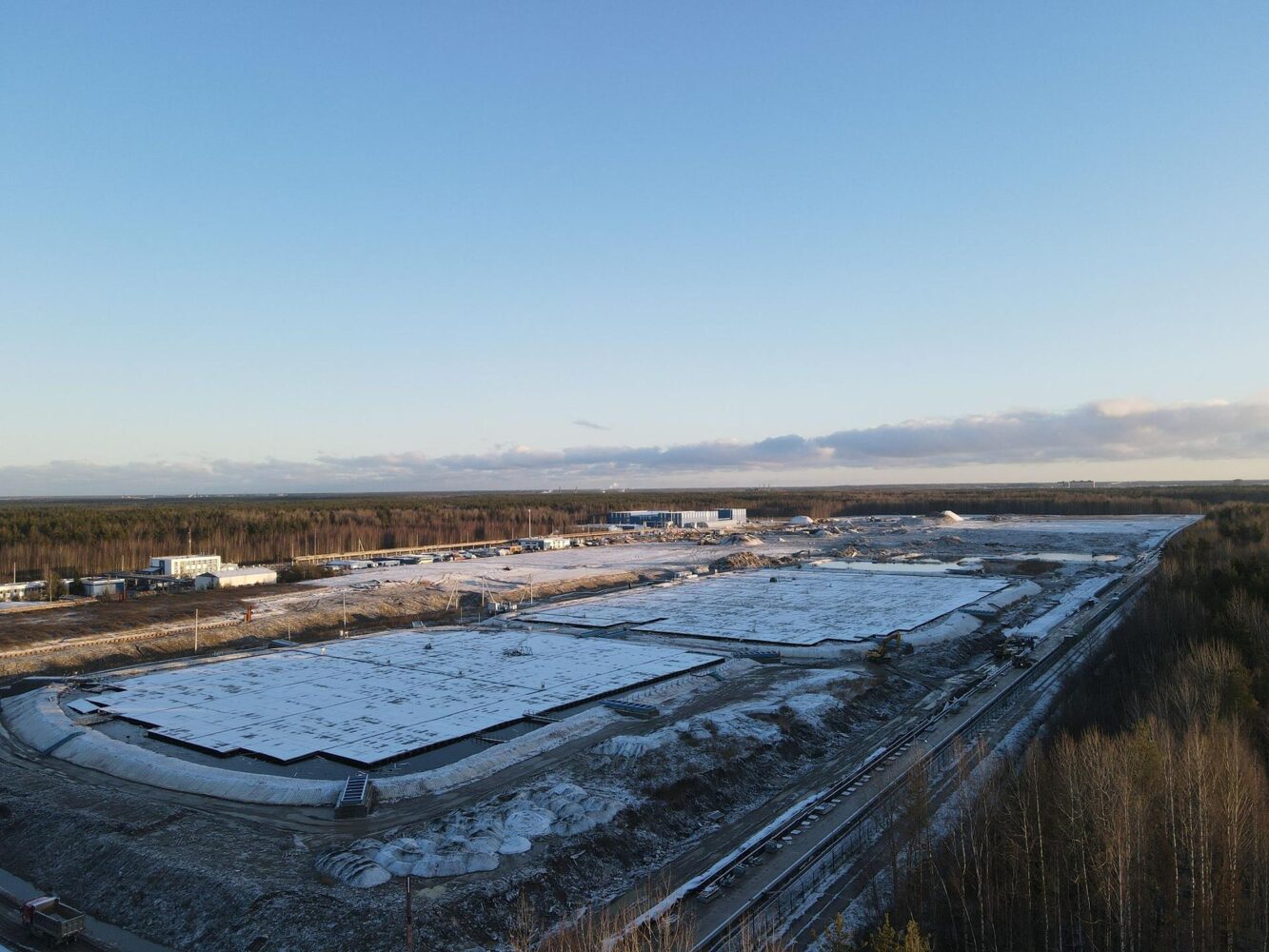
At the FTF, Rosatom presented the interim results of a project to rehabilitate the Krasny Bor landfill, a hazardous legacy site in the Leningrad Region. A 13-stage system installed there purifies water to fishery-grade quality. Live crucian carp from the Tosna River, which receives the purified water from Krasny Bor, were shown at the forum. “This proves that the water is indeed suitable for the further development of natural ecosystems,” Alexey Likhachev pointed out.
Infrastructure for the bioeconomy
Big data processing is an important component of advanced solutions, including those in the bioeconomy. One of the most common tools is neural networks. They can be made more economical by reducing their massive energy consumption using photonic technologies. This is exactly what researchers at the Russian Federal Nuclear Center in Sarov are working on. For example, 15 NVIDIA graphics processing units used about 10 kW for image recognition, while a photonic coprocessor used only about 120 W.
Photo by: Rostov NPP, Balakovo NPP, Siberian Chemical Combine JSC (SHK)